

U.S. Clean Energy Manufacturing Plans Grow as Cancellations Reshape the Pipeline
U.S. companies announced $7.9 billion in clean energy manufacturing plans in the second quarter of 2026, while $2.9 billion in cancellations reduced the quarterly net gain to $5 billion.
 By
Daniel Hargrove
By
Daniel Hargrove
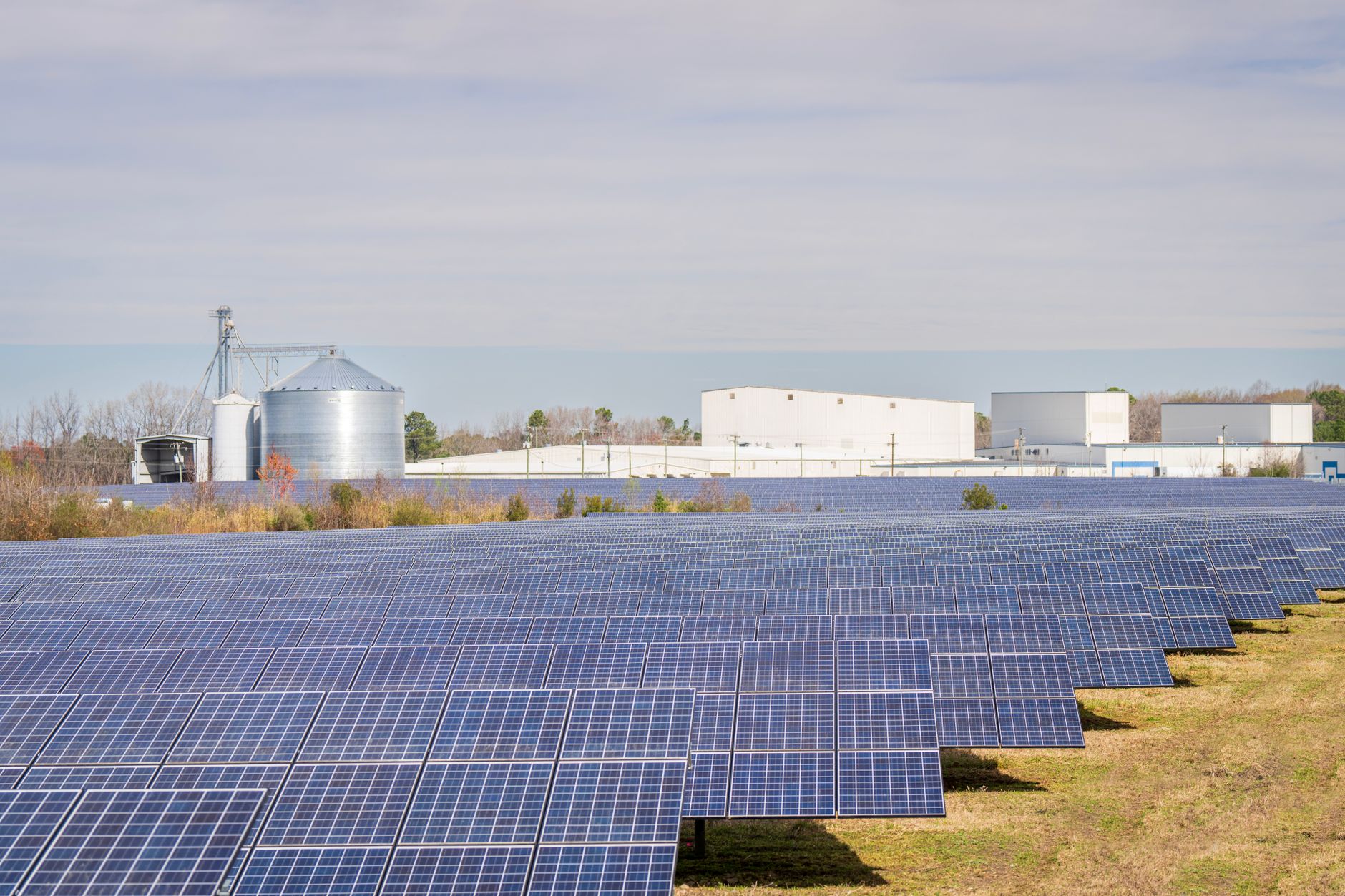
U.S. companies announced $7.9 billion in clean energy manufacturing investments during the second quarter of 2026, but project cancellations worth $2.9 billion reduced the net addition to $5 billion. The quarter shows that new industrial plans continued to emerge even as previously announced projects were removed from the pipeline.
In brief
- U.S. companies announced $7.9 billion in clean energy manufacturing investments during the second quarter of 2026.
- Cancellations totaling $2.9 billion left $5 billion in net new planned investment for the quarter.
- Solar manufacturing, electricity transmission and grid equipment led the reported growth in planned investment.
- Canceled plans since early 2025 total $39.6 billion and include 53,400 announced manufacturing jobs.
The figures come from a quarterly assessment of U.S. clean energy manufacturing by the Environmental Defense Fund and Atlas Public Policy. They capture a sector where new proposals remain concentrated in key parts of the electricity system, while cancellations continue to alter the scale of planned factory investment.
Solar manufacturing, electricity transmission and grid equipment drove the reported growth during April through June. Those areas sit at different points in the power system, but together they reflect continued attention to equipment used to generate, move and manage electricity. The latest developments add context to the wider Energy landscape, where manufacturing capacity and grid infrastructure are increasingly connected.
New announcements kept the quarterly balance positive
The $7.9 billion total represents new investment plans announced in the second quarter, while the $2.9 billion figure reflects projects canceled during the same period. Subtracting the canceled value leaves $5 billion in net new planned investment.
That balance is more informative than either number alone. Announcements show that companies are still putting forward manufacturing projects in the United States. Cancellations show that not every earlier proposal remains on track. Together, the figures describe the changing size of the development pipeline rather than a measure of completed construction or operating facilities.
The pace of new announcements matters because clean energy manufacturing depends on a broad range of industrial activity. Solar equipment, transmission systems and grid components each require production capacity, and the quarter’s reported growth was led by those segments. The concentration also means that a relatively small number of large projects can have an outsized effect on the total value announced in any one quarter.

A large solar project shaped the quarter
The largest project approved during the period was a $5 billion solar manufacturing campus planned by Convalt Energy in New Mexico. Its value accounts for a substantial portion of the quarter’s $7.9 billion in announced investment.
The project illustrates the importance of looking beyond the headline total. One large approval can move quarterly figures sharply, while the reported growth also included activity in transmission and grid equipment. The available information does not show that every clean energy manufacturing segment expanded at the same pace, but it does identify where the quarter’s strongest reported investment growth occurred.
For readers, the distinction is significant. Solar manufacturing concerns equipment used to produce electricity, while transmission and grid equipment support the networks that carry and manage power. Investment across these areas points to plans that extend beyond a single technology, even though solar manufacturing supplied the quarter’s biggest individual project.
Cancellations remain a substantial part of the picture
Since the beginning of 2025, companies have canceled $39.6 billion in planned clean energy manufacturing investments and 53,400 announced manufacturing jobs. The cumulative total places the second-quarter gains in a broader context: new plans are still entering the pipeline, but a significant volume of planned activity has also been withdrawn.
The investment figure refers to projects that had been planned, not necessarily facilities that had already been built or money that had already been spent. The jobs total likewise concerns announced manufacturing positions tied to canceled plans. It should not be read as a count of jobs that were necessarily filled before those projects changed course.

Policy changes are part of the report’s assessment of the slower pace of expansion, but the available evidence does not establish a single direct cause for every cancellation. Each project can have its own circumstances, and the quarterly totals do not assign a separate reason to every withdrawn plan.
What the net figure can and cannot show
The $5 billion net gain demonstrates that the value of new plans exceeded the value canceled during the quarter. It does not mean that all announced investments will become operating factories. Announcements and approvals are important markers of planned activity, but the report’s figures are not a record of manufacturing output or completed capital spending.
At the same time, the cancellation data prevents an overly simple reading of the quarter. A positive net total does not erase the $2.9 billion in projects canceled from April through June, nor does it remove the significance of the $39.6 billion in canceled planned investment since early 2025.
Solar and grid manufacturing remain the clearest areas of activity
The quarter’s strongest reported growth came from solar manufacturing, electricity transmission and grid equipment. The Convalt Energy campus in New Mexico provided the clearest example of the scale still possible for new solar manufacturing plans, while transmission and grid equipment also contributed to the quarterly increase.
This mix gives the quarter a defined industrial focus. New proposals were not described simply as broad clean energy investment. They were tied most clearly to solar production and the equipment needed to move and manage electricity. That focus helps explain why the quarter could produce a positive net figure despite substantial cancellations.
The report’s central picture is therefore mixed but specific: U.S. clean energy manufacturing continued to attract new planned investment in the second quarter of 2026, especially in solar and grid-related segments. Cancellations remained large enough to narrow that gain and to keep the future scale of the manufacturing pipeline uncertain.
Photo: Mark Stebnicki / Pexels