

Integrating robotics into smart home solutions
 By
Leah Morrison
By
Leah Morrison
Smart home technology has evolved well beyond simple remote controls and standalone devices. Today, the integration of robotics into connected home systems is ushering in a new era of convenience, efficiency, and truly personalized automation. Companies like iRobot, Ecobee, Roborock, and Neato Robotics are redefining what homeowners can expect from daily living, while platforms such as Amazon Echo, Google Nest, Samsung SmartThings, and Lutron orchestrate harmonious control of everything from lighting to security. As artificial intelligence advances, robotics don’t just execute tasks, they learn, adapt, and anticipate our needs, transforming ordinary spaces into responsive environments. With a growing ecosystem powered by IoT, smart sensors, and AI, the modern home is becoming a seamless blend of comfort and intelligence, offering solutions that are not only practical but also continually evolving to meet the expectations of 2025 and beyond.
Unlocking the Potential: How Robotics and IoT Reinvent Smart Home Experiences
The Internet of Things (IoT) serves as the nervous system for smart homes, connecting devices ranging from thermostats to refrigerators. With robotics layered onto this network, routine chores morph into actions handled autonomously and intelligently. Modern smart homes utilize four key layers, sensors, networks, middleware, and applications, to collect, transmit, and process data for seamless device management.
- Sensors record motion, temperature, humidity, and even geolocation.
- Networks like Wi-Fi, Zigbee, or Bluetooth pass data efficiently between devices.
- Middleware ensures data is organized, stored securely, and ready for analysis.
- User applications display actionable insights and enable control of connected systems.
Brands such as Amazon Echo and Google Nest leverage these layers to orchestrate not only comfort and energy management, but also voice-driven control. When paired with robots from iRobot, Roborock, or Ecovacs Robotics, mundane home tasks are tackled hands-free, creating more time for what matters most.
Making Homes Smarter: The Role of AI in Robotic Automation
Integrating artificial intelligence into robotics enables devices to learn occupant preferences, optimize routines, and perform predictive maintenance. This synergy delivers robust improvements over standalone IoT, particularly when using adaptive platforms like Google Nest or Samsung SmartThings.
- Predictive analytics identify appliance issues before breakdowns occur.
- Personalized routines, AI routines lower blinds, optimize lighting with Philips Hue, and set climate zones based on user behavior.
- Real-time data from Ecobee thermostats and Lutron lighting enhance comfort while conserving energy.
- Autonomous scheduling of cleaning devices like Roborock, ensuring floors are spotless without manual intervention.
This data-driven intelligence creates a dynamic environment where robotics don’t just follow commands, they anticipate them, making smart homes more resilient and adaptive every day.
Real-World Applications: Everyday Robotics Already Transforming Homes
Robots have quietly entered the rhythm of daily life, seamlessly integrating into the smart home ecosystem. While we often think of iconic cleaning robots, the diversity of autonomous helpers continues to expand in 2025.
- Robot vacuums from iRobot, Roborock, and Neato Robotics map environments, avoid obstacles, and adjust cleaning based on household activity.
- Smart mowers and pool-cleaning robots maintain outdoor spaces autonomously.
- Kitchen companions assist with inventory tracking, like fridges that suggest recipes based on available ingredients.
- AI-powered cameras, including those integrated with Samsung SmartThings, identify familiar faces and detect unusual activity for heightened security.
- Energy management by Ecobee and connected appliances lowers utility bills by optimizing usage patterns.
These interconnected solutions enable routines that require minimal intervention. Imagine leaving for work as your smart system activates “away mode”, the thermostat adjusts, robot vacuums start, and security robots begin their patrol while smart lighting recreates occupancy to deter intruders.
Expanding Horizons: Advanced Features in Next-Generation Smart Homes
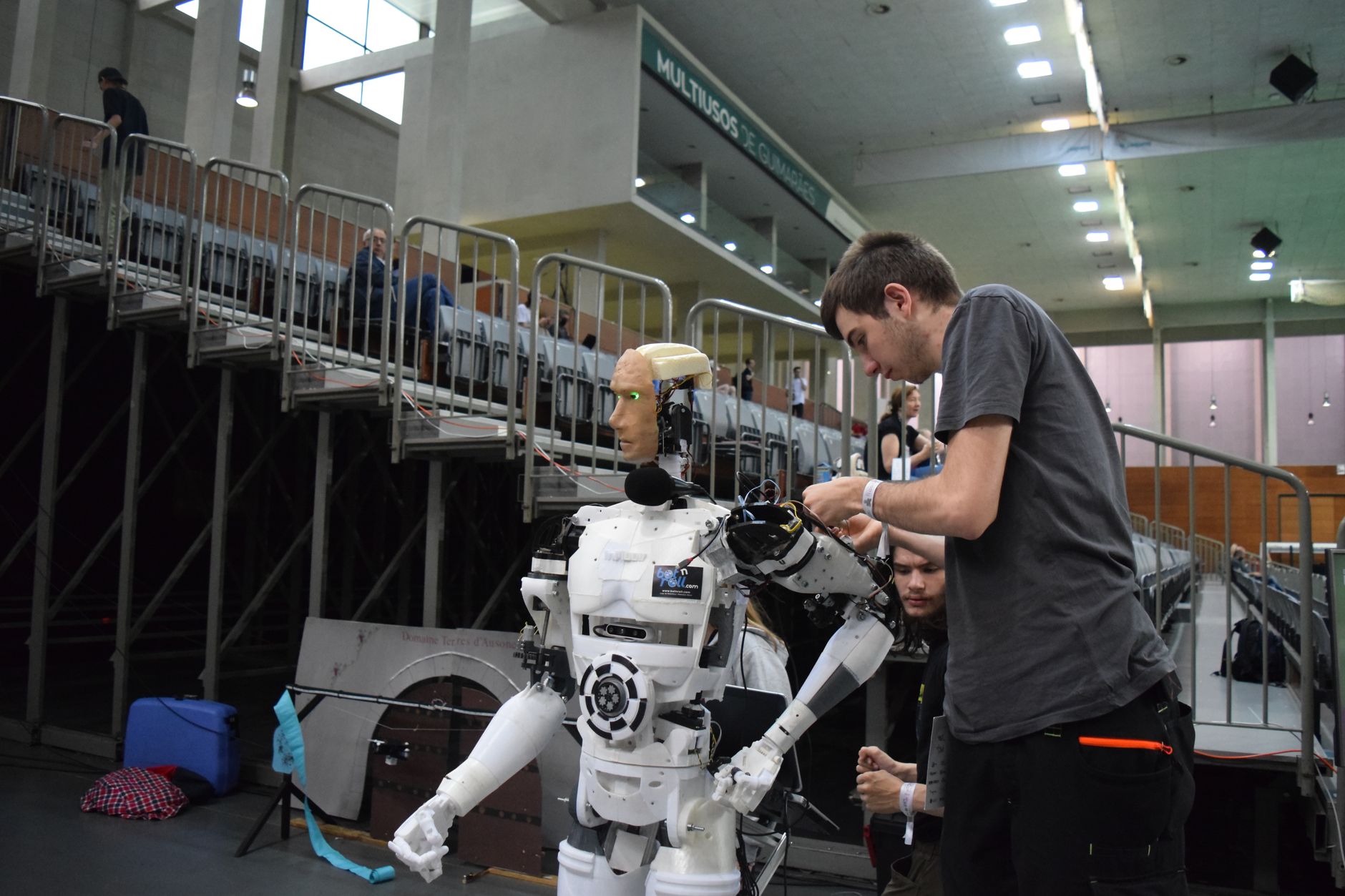
The smart home landscape is becoming increasingly interactive and adaptive, blurring the line between assistant and companion. Robotics now go beyond functional routines to provide social support, health monitoring, and entertainment experiences.
- Robotic assistants offer medication reminders, companionship, and emergency alerts for older adults.
- Human-robot interaction is enhanced by emotional intelligence, allowing for intuitive control via gestural or conversational input.
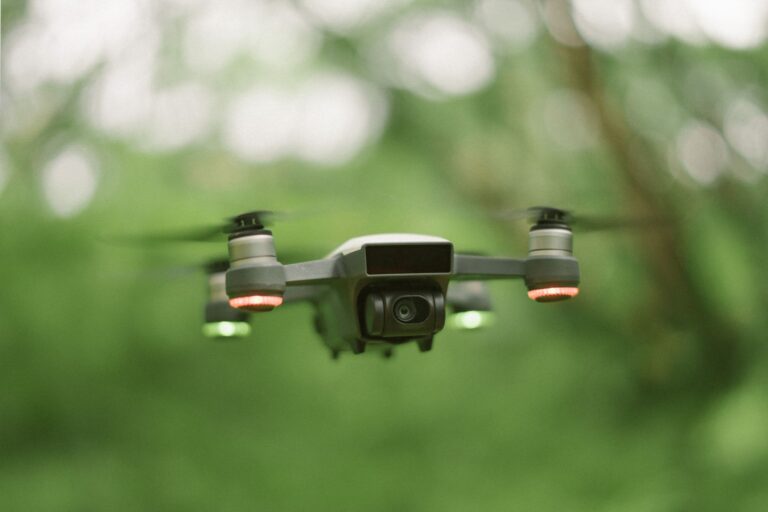
- Home surveillance drones provide aerial property monitoring and can collaborate with ground-based robots for comprehensive security.
- Personalization lets users tailor robot behavior and appearance, fostering unique bonds between residents and their machines.
Brands like Ecovacs Robotics and solutions powered by Lutron now tap into these advanced capabilities, offering not just automation, but emotional connectivity and support throughout the home.
Integration Challenges: Navigating Security, Standards, and User Experience
Integrating robotics into smart homes isn’t without hurdles. The technical landscape requires careful attention to interoperability, privacy, user-friendliness, and ongoing support to ensure a frictionless living experience.
- Interoperability: New standards, such as the Matter protocol, are crucial for connecting diverse devices from Philips Hue, Samsung SmartThings, and others without compatibility headaches.
- Security and privacy: With more robots collecting sensitive data, robust encryption and authentication are non-negotiable to protect households from cyber threats.
- Accessibility and reliability: Solutions must cater to all users, including those less tech-savvy, while ensuring consistent performance and easy maintenance.
- Affordability: As robots become more sophisticated, making them accessible to a broader segment of the population remains a vital goal.
Successful integration relies on overcoming these barriers, paving the way for a truly universal, secure, and enjoyable home automation journey.
The Road Ahead: From Automation to Anticipation in Connected Homes
With rapid advancements in AI, robotics, and IoT, tomorrow’s smart homes will anticipate needs and deliver proactive comfort, safety, and energy efficiency. As brands like iRobot, Ecobee, and Amazon Echo continue to push the boundaries, collaboration between manufacturers and integration platforms will be vital to deliver on the promise of seamless, adaptive living environments.
- Expect even deeper voice and gesture control with smarter AI-powered assistants.
- Collaboration between robots (like cleaning and security bots) for coordinated, multi-room responses.
- Greater integration with renewables and adaptive grid management to lower carbon footprints.
- Personalized wellness, entertainment, and social support embedded in every room.
The vision for a truly integrated smart home is no longer science fiction, it’s rapidly becoming a lived reality for millions. As the technology ecosystem matures, the fusion of robotics and connected living will define not just the homes, but also the lifestyles of the future.