
RobCo valued above $1 billion as employees sell most of the shares
A $40 million deal, driven largely by employee share sales, lifts the Munich robot maker past $1 billion as it prepares to launch Alfie and grow across the United States.
 By
Leah Morrison
By
Leah Morrison
In brief
- The bulk of the equity sold came from people who work or used to work at the company.
- Researchers at the Technical University of Munich founded the company there in 2020.
- In January 2026, Berlin launched its AI Robotics Booster program, committing about $112 million to help AI-driven robotics reach the market and scale up.
RobCo, a German maker of factory robots, is now worth more than $1 billion, twice its valuation in January, after a $40 million deal in which most of the stock sold came from current and former staff rather than from the company itself. That distinction shapes what the headline figure really means for anyone following industrial robotics.
What the $40 million deal actually bought
The bulk of the equity sold came from people who work or used to work at the company. RobCo describes the transaction as a blend of fresh investment and a sale of existing staff shares, yet, as TechBooky noted, it did not say what each selling employee received per share. The valuation, in other words, is not a sum of cash raised.
The comparison point is recent. According to a report by JKN, RobCo collected $100 million in January 2026 at a valuation of roughly $500 million. The buyers this time mix familiar backers, namely Sequoia, Lightspeed, Lingotto, Greenfield, Kindred and Promus Ventures, with two newcomers, Cherry Ventures and European Tech Collective. Luciana Lixandru, the Sequoia partner who led the investment, framed the bet around factory staffing. In remarks carried by JKN, she named the lack of workers as the main problem facing manufacturers, observed that many young people avoid hard, repetitive jobs on the factory floor, and argued that as AI makes robots more capable, a growing number of producers will turn to them to fill that gap.
From metalworking arms to a two-armed mobile robot
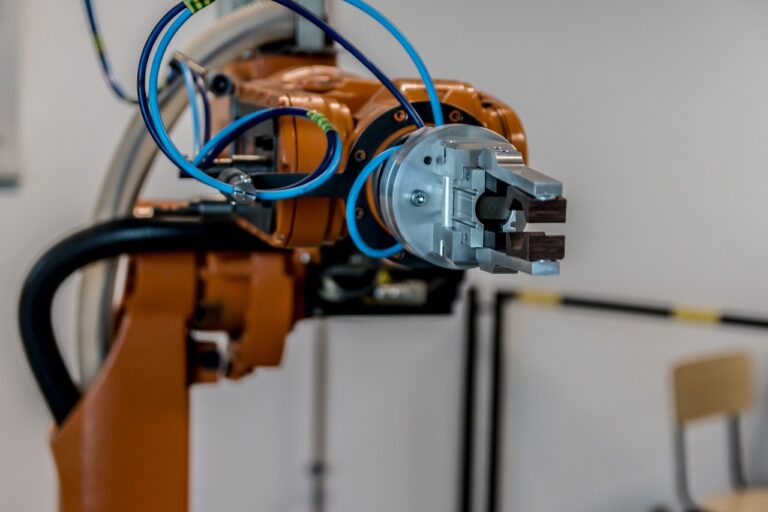
Researchers at the Technical University of Munich founded the company there in 2020. It has since delivered more than 1,000 robots to industrial customers, BMW among them, and its catalogue now spans over a dozen machines for logistics and production, most of them arms.

| Product | What it does |
|---|---|
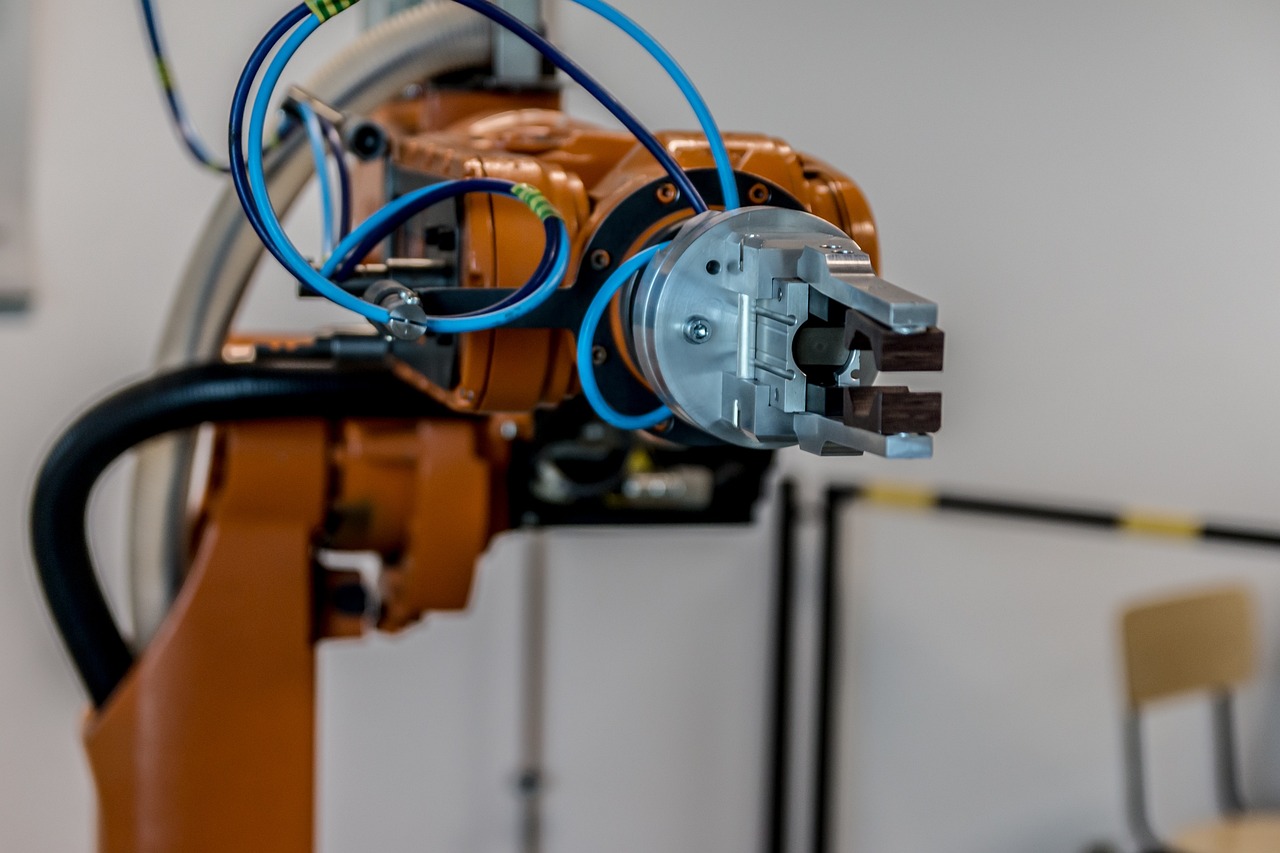
| XL arm | Largest model, tuned for metalworking; lifts 88 pounds and moves loads more than eight feet |
| Alfie | Flagship mobile robot with two arms; an automaker could hold a car part steady with one arm while painting it with the other |
| RobVision | AI engine: a customer uploads a photo, the software creates synthetic variants and trains a bespoke model that runs on the robot |
| RobFlow | No-code tool for chaining preset commands, such as motions or pauses, into multistep routines |
| RobCo Studio | Helps tune hardware setup and plan maintenance |
RobCo’s claim is that RobVision lets Alfie cope with changes on the line without engineers rewriting code. Chief executive Roman Hölzl goes further, presenting Alfie, in comments reported by JKN, as the way to automate 80 to 90% of the manual work that factories still depend on. That remains his own claim about a machine RobCo plans to launch in March 2027.
What comes next for buyers and onlookers
- The funding round is announced, with growth in the United States as a stated priority.
- Alfie is scheduled to launch at RobCo’s first RobCoN summit in Munich.
- American footprint: the US is the company’s fastest-growing market, with customers in more than a dozen states, manufacturing in Austin and a San Francisco lab; Hölzl himself relocated to San Francisco to lead the push, as SiliconANGLE reported.
- Paying model: according to Whalesbook, factories rent the robots by subscription under a Robotics-as-a-Service arrangement rather than buying them outright.
- Not for retail investors: the firm is privately held, so individuals cannot trade its stock on any exchange.
A crowded wave of robotics money
RobCo’s jump lands amid heavy spending on machines that act in the physical world. PitchBook data cited by JKN show robotics and physical AI startups drew $33.4 billion in the first half of 2026, already more than in all of 2025.
Public money is flowing too. In January 2026, Berlin launched its AI Robotics Booster program, committing about $112 million to help AI-driven robotics reach the market and scale up.
Photo: jarmoluk / Pixabay