


Starting Tomorrow, Oil Crisis Devastates America: Experts Warn ‘Prepare For Unprecedented Energy Shockwaves’
 By
Leah Morrison
By
Leah Morrison
| IN A NUTSHELL |
|
The global energy landscape is on the brink of a significant transformation as oil and gas reserves in Europe and North America face rapid depletion. This impending shift is expected to have profound implications, far beyond a simple transition to renewable energies. The urgency of the situation is underscored by the fact that few appear to be prepared for the potential global upheaval. The decline of conventional oil and gas deposits, particularly in industrialized regions, highlights the pressing need for strategic planning and investment to secure energy futures.
The Critical Decline of Oil and Gas Reserves in the West
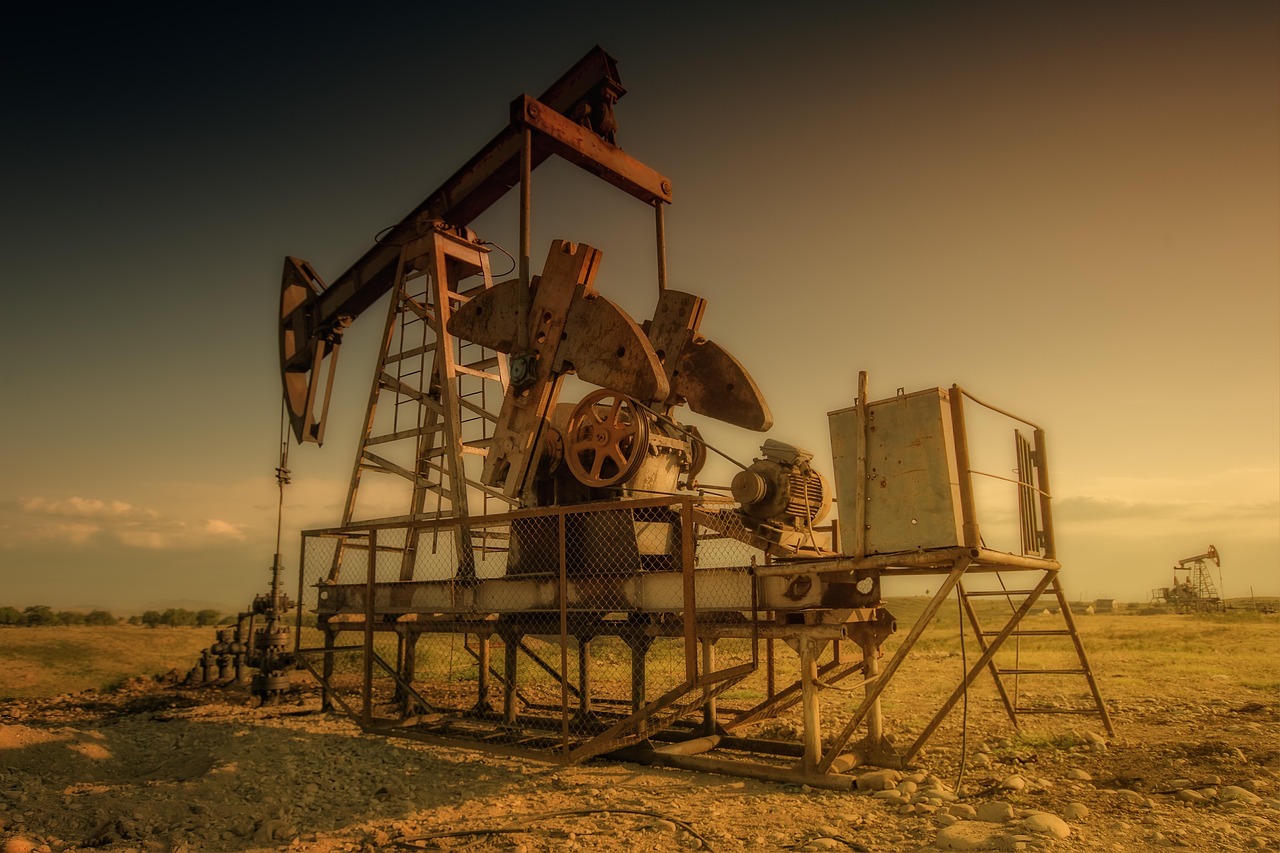
Conventional oil and gas reserves in Europe and North America are reaching a critical threshold. In Europe, where most reserves are offshore, the decline rate is a staggering 9.7%, marking a global record. North America faces a similarly alarming situation as its reserves diminish at a rapid pace. This decline poses a significant threat to Western economies, making them increasingly reliant on producer countries with differing interests. In contrast, the Middle East, home to the largest onshore reserves, experiences a much lower decline rate of just 1.8%, highlighting a stark disparity in energy security.
The International Energy Agency (IEA) has raised the alarm after analyzing data from 15,000 global deposits. They warn that if no action is taken, the energy security of Europe and the United States could collapse. This revelation underscores the urgent need for comprehensive energy strategies that address both immediate and long-term challenges.
The IEA’s Strategic Call for Continued Fossil Fuel Investments
In a surprising turn, the IEA advocates for substantial investments in new fossil fuel projects. This recommendation stems from the realization that the current pace of renewable energy development is insufficient to offset the natural decline of existing reserves. The IEA projects that by 2050, it will be necessary to discover and exploit over 45 million barrels of oil per day, along with 2,000 billion cubic meters of gas. Maintaining current production levels would require an investment of $570 billion by 2025.
This position places the IEA at odds with the scientific community, which calls for a swift exit from fossil fuels. Yet, the agency emphasizes a pragmatic approach to energy security, recognizing the shortfall in renewable energy development. As global institutions grapple with this dilemma, the path forward involves balancing immediate energy needs with long-term sustainability goals.
The Western Energy Paradox: Climate Urgency and Geopolitical Realities
The energy crisis presents a complex paradox for the West. On one hand, the climate crisis demands a rapid transition to renewable energies. On the other, dwindling fossil fuel resources and geopolitical tensions complicate importation efforts. This dual challenge forces Europe and the United States to confront a significant contradiction: they must reduce emissions while simultaneously increasing investments in fossil fuels they aim to phase out.
Moreover, this dependency risks entangling Western nations with countries like Russia or Iran, whose geopolitical interests may not align with their own. As the West navigates this precarious landscape, strategic decisions must be made to balance environmental and geopolitical priorities.
An Urgently Needed Energy Transition and Reconfiguration
The IEA report reveals an unsettling truth: the energy transition is poorly executed. Investments in renewable energies fall short, and large-scale planning for replacing fossil fuels is nearly nonexistent. The risk is clear, a gradual yet irreversible collapse of Western energy stability, coupled with skyrocketing costs for consumers. Avoiding this scenario requires more than accelerating solar or wind energy projects. It demands a comprehensive rethinking of the global energy chain, encompassing exploration, storage, distribution, and conservation.
Swift and decisive action is crucial. The stakes are high, and failure to act could result in dire consequences for both the environment and global economies. A coordinated, strategic approach is necessary to ensure a sustainable and secure energy future.
As the world stands at the crossroads of an energy crisis, the pressing question remains: how will nations effectively balance the urgent need for energy security with the imperative to combat climate change? The answer will shape the future of global economies and environmental health for decades to come.