

“Unbelievable Leap in Battery Tech”: This Revolutionary Lithium Power Pack Extends EV Range by 100 Miles, Ushering in a New Era
 By
Leah Morrison
By
Leah Morrison

| IN A NUTSHELL |
|
The development of safer and more efficient lithium-ion batteries (LIBs) is a critical milestone in the transition to electric vehicles (EVs) as a mainstream mode of transportation. Recently, scientists have unveiled an innovative approach that could significantly enhance battery performance, addressing key issues of safety and stability. This breakthrough involves a sophisticated synthesis of cathode materials, utilizing a full concentration gradient (FCG) method that allows unprecedented customization. By transforming the way these materials are created, researchers are paving the way for longer-lasting and more reliable batteries, a crucial step in meeting the growing demand for EVs.
Enhanced Performance of Lithium-Ion Batteries
The surge in electric vehicle adoption has placed LIBs at the forefront of energy research. The cathode material, a pivotal component of these batteries, plays a vital role in determining overall performance. Typically, cathodes account for a significant portion of the battery’s cost, around 40, 45%. High-nickel cathodes have emerged as a leading choice due to their high energy density and cost efficiency. However, increasing nickel content often leads to intensified side reactions, compromising both interfacial robustness and mechanical integrity.
Researchers are actively addressing these challenges by exploring cutting-edge technologies. The introduction of full concentration gradient cathodes offers a promising solution. By allowing precise control over the cathode’s composition, these advancements aim to minimize side reactions and enhance durability. This approach not only boosts battery performance but also extends its lifespan, making EVs more practical for widespread use.
Promising Solution Through Innovative Design
The utilization of full concentration gradient (FCG) cathodes, often in core, shell designs, represents a promising advancement in battery technology. Traditionally, these cathodes are synthesized using a coprecipitation method involving two tanks of metal precursor solutions. The first tank, rich in nickel, feeds directly into the reactor, while the second tank, containing cobalt and manganese, is mixed into the first to modulate nickel concentration.
In conventional systems, the flow rate of the second tank is fixed, limiting the achievable gradient. However, researchers have overcome this limitation by expressing the flow rate as a time-dependent function. This mathematical innovation allows for independent tuning of the average composition, slope, and curvature, enabling a virtually unlimited range of gradients to be generated with just two tanks. This breakthrough offers a scalable and customizable solution, vital for the large-scale application of high-performance LIBs.
Integrating Advanced Techniques with Automated Systems
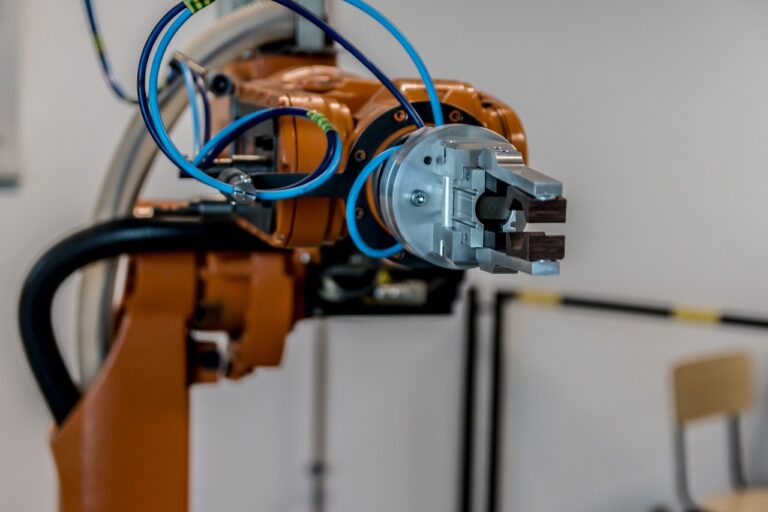
Integrating this innovative approach with an automated reactor system has been a game-changer in synthesizing FCG cathodes. The research team successfully created five FCG Ni0.8Co0.1Mn0.1(OH)2 precursors with finely tuned gradients. These were verified through advanced two- and three-dimensional elemental mapping techniques. Such precise control over the cathode materials’ composition marks a significant leap forward in battery technology.
Dr. Hyun Deog Yoo, along with his international research team, collaborated with esteemed institutions like the University of Illinois Chicago and Argonne National Laboratory. This collaborative effort highlights the global interest and investment in advancing LIB technologies. “My lab focused on designing and synthesizing FCG cathodes, while most of the 2D and 3D imaging analyses were conducted by the groups of Prof. Jordi Cabana and Prof. Robert F. Klie,” Dr. Yoo stated, emphasizing the importance of collaborative research in achieving these breakthroughs.
The Road Ahead: Challenges and Opportunities
While the development of FCG cathodes presents exciting opportunities, several challenges remain. The scalability of these advanced materials for commercial production and their integration into existing manufacturing processes require further exploration. Additionally, researchers continue to aim for improvements in cost efficiency and material sustainability.
Nevertheless, the potential benefits of these advancements are immense. Enhancing LIB safety and performance could accelerate the adoption of electric vehicles, contributing significantly to global sustainability goals. As researchers continue to refine these technologies, the future of battery technology looks promising. How will these innovations transform the automotive industry and our everyday lives in the coming years?