


The Hollywood Sign Sits Inside a Wildlife Corridor Linking Three Los Angeles Mountain Ranges
The restricted slope around the famous letters is part of Griffith Park, where hundreds of documented species share a landscape shaped by open habitat and dense development.
 By
Daniel Hargrove
By
Daniel Hargrove
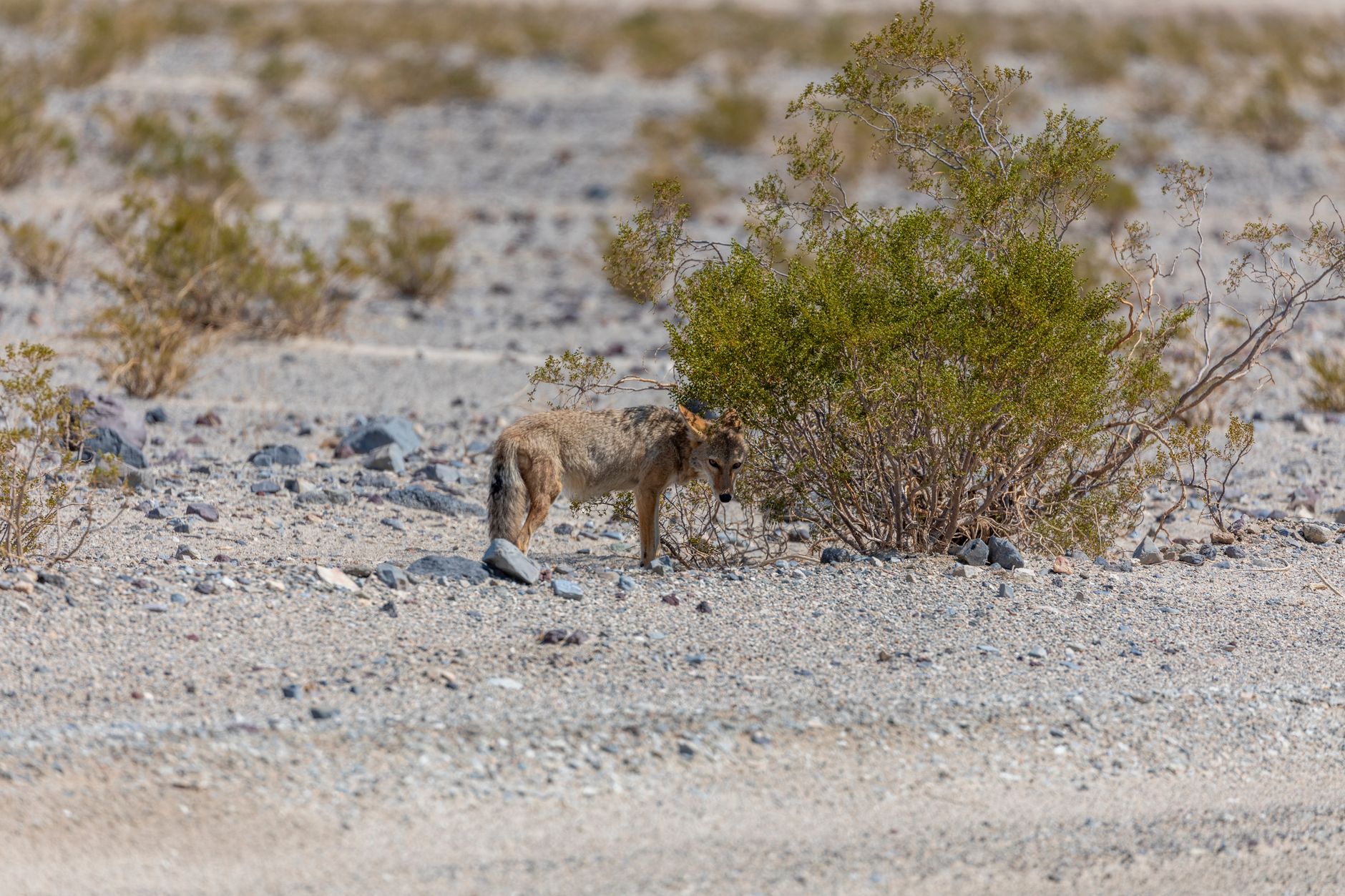
Snakes can shelter at the foot of the Hollywood sign, birds can nest in it and bobcats can move around its letters because the Los Angeles landmark does not stand on an ordinary urban lot. It occupies a hillside in Griffith Park, the city’s largest municipal park and an area roughly five times the size of New York’s Central Park.
That setting changes the familiar view. Homes and streets spread across the basin below, but the letters rise from a substantial expanse of open land. Wildlife is not simply making occasional visits from distant wilderness. Numerous species live throughout the park, including on the restricted ground immediately surrounding one of the world’s most recognizable pieces of built infrastructure.
A city landmark embedded in habitat
The sign’s position on Mount Lee brings two landscapes into direct contact. One is the dense urban fabric associated with Los Angeles. The other is a large municipal park with habitat for predators, reptiles, birds, butterflies and other animals. The city and the natural terrain do not meet along a simple boundary here. They occupy the same wider landscape.
Diana Wright, the official caretaker for the Hollywood Sign Trust, described Los Angeles as being pressed directly against nature in reporting by The Guardian’s account of wildlife beneath the Hollywood sign. Her observation helps explain why animals associated with hills and mountain ranges can appear so close to a global symbol of film and city life.
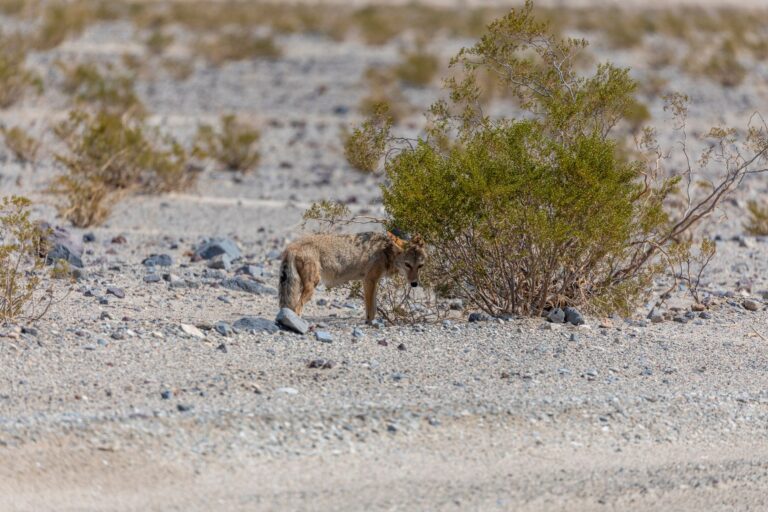
The area around the letters is closed to visitors. That restriction helps explain why people looking up from below may never see much of the animal activity taking place there. Birds use the structure for nesting, snakes curl up near its base and bobcats range around the letters. The animals occupy a highly recognizable hillside, but access controls and their own patterns of movement keep much of that activity out of public view.
The sign can therefore create a misleading sense of separation. From the city, it may appear to mark an edge between development and the hills. On the ground, however, the structure is embedded in wildlife habitat. Its large letters belong to the built environment, while the terrain beneath and around them remains part of an ecological system.
This juxtaposition is unusual mainly because the human structure is so familiar. The underlying arrangement is straightforward: a major city contains a very large park, and a famous landmark stands inside that park. Once those facts are considered together, the presence of wildlife around the letters is less mysterious. What remains surprising is the variety of animals documented within sight of the surrounding metropolis.
The park’s biodiversity extends far beyond predators
Mountain lions and bobcats attract attention because they are large predators, but they represent only a small part of Griffith Park’s documented wildlife. Species counts published in AOL’s report on Griffith Park wildlife cover several major animal groups:
- About 200 bird species have been documented in the park.
- About 50 butterfly species have been recorded there.
- About 40 mammal species are known from the park.
These figures describe Griffith Park as a whole, rather than only the ground immediately beneath the sign. That distinction matters. The letters offer a vivid focal point for urban wildlife, but they occupy one location within a much larger habitat. The park’s ecological significance comes from its overall extent and position, not from the structure alone.
The records also show why the park cannot be understood only through isolated sightings of charismatic predators. Birds and butterflies account for most of the species in those three documented groups. Some animals may be easy to spot, while others can remain unnoticed because they are small, active at particular times or present on land visitors cannot enter.

Visibility is therefore a poor measure of how much wildlife the park supports. A visitor may leave without seeing a bobcat, snake or mountain lion, yet that absence from view does not place those animals outside the landscape. Restricted access near the sign, difficult terrain and differing activity patterns all help separate the public image of Griffith Park from the animal community occupying it.
P-22 made the urban overlap visible
A photograph taken at night in 2013 made this coexistence visible in a single image. It showed P-22, a wild mountain lion, moving through darkness with the illuminated Hollywood sign behind him. The scene placed a large predator and an emblem of the entertainment industry within one frame.
The contrast made the image memorable, but it did not depict two unrelated worlds brought together by chance. P-22 was moving through habitat within the city, while the sign was already standing inside that habitat. Artificial light and giant letters made the urban setting unmistakable. The mountain lion exposed the ecological landscape that the familiar skyline can obscure.
The photograph also illustrated why wildlife around the sign can seem secret. A nocturnal animal can cross the hillside while Los Angeles remains brightly visible nearby. Proximity to streets and buildings does not guarantee that people will witness those movements, particularly on closed or difficult ground.
P-22 provides a specific example rather than evidence that mountain lions are always present beneath the letters. His photographed appearance matters because it clearly documented how a large wild animal and the city’s built environment can occupy the same landscape. Other wildlife may leave less dramatic impressions while relying on the same park terrain.
A corridor connecting a wider landscape
Griffith Park matters beyond the animals living within its boundaries. The University of California, Los Angeles, designated it a Significant Ecological Area partly because the land provides a route for species movement and gene flow among the Santa Monica, San Gabriel and Verdugo mountain ranges.
An ecological corridor is habitat that allows organisms to move between larger areas instead of remaining confined to isolated patches. For wildlife populations, movement can bring individuals into contact with others beyond their immediate territory. Gene flow occurs when reproduction transfers genetic material between populations. Both processes require some degree of connection across the landscape.
Griffith Park’s location gives it a role in that wider network. The terrain around the Hollywood sign is consequently not just a refuge beside the city. It forms part of a landscape that helps connect surrounding mountain systems, even as roads, neighborhoods and other developed areas occupy much of the region.
The park’s corridor function also distinguishes ecological importance from simple acreage. Its size gives numerous species room to live, while its geographic position can support movement beyond the park. Those are related roles, but they are not identical. Together, they explain how an urban park can matter both to resident animals and to connections across a broader region.
The letters themselves are not a complete habitat, and the community around them does not represent every species found across Los Angeles. The more precise lesson is that a large urban park can sustain considerable biodiversity, while its position between mountain ranges gives that habitat significance beyond a collection of isolated sightings. Beneath a landmark built to be seen from miles away, much of that living landscape remains hidden in plain sight.
Featured image. Source: Pexels. Credit: Elizabeth Iris. License: Pexels License.