



Orcas Reveal Chilling Strategy to Hunt Great White Sharks, Impacting Marine Ecosystems and Human Understanding
 By
Leah Morrison
By
Leah Morrison
| IN A NUTSHELL |
|
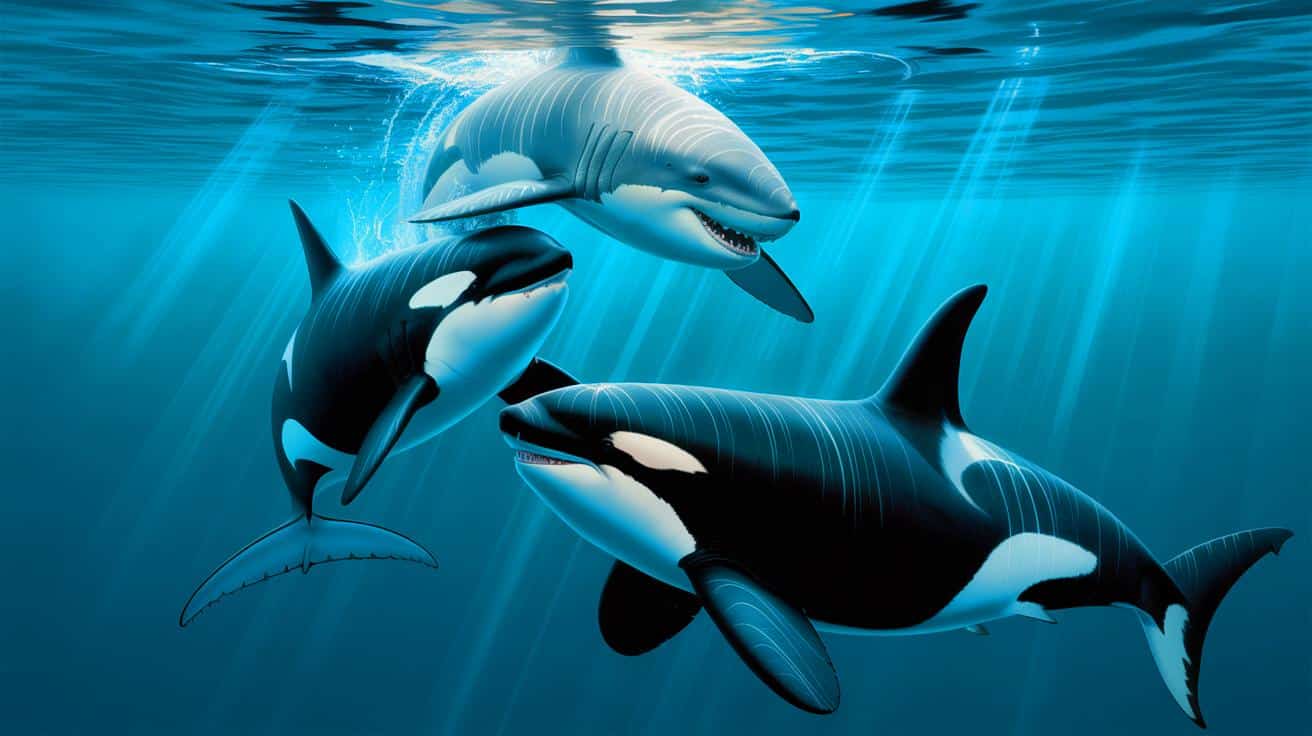
In a groundbreaking observation, orcas in the Gulf of California have been seen hunting young great white sharks using a unique and effective technique. These marine predators have been noted for their intelligence and adaptability, but this behavior marks a significant development in their hunting strategies. The orcas were observed disabling the sharks by flipping them, inducing a state of tonic immobility, before consuming their nutrient-rich livers. This behavior not only underscores the orcas’ adaptability but also has implications for our understanding of marine ecosystems and predator-prey dynamics in the ocean.
Orcas’ Predatory Tactics Unveiled
Orcas, often referred to as killer whales, are known for their complex hunting techniques and social structures. While some groups have been documented preying on sharks, targeting the formidable great white shark is a rare occurrence. In 2023, two orcas named Bâbord and Tribord made headlines for their spree of killing nearly 20 great white sharks off the coast of South Africa.
Marine biologist Erick Higuera and his team recorded orcas in the Gulf of California targeting juvenile great whites. Their footage from August 2020 shows the orcas employing a calculated approach: striking the sharks to turn them over, inducing tonic immobility. This state of paralysis allows the orcas to access the sharks’ livers with ease. The liver is a prized target due to its high nutrient content, providing essential energy for the orcas’ active lifestyles.
The team witnessed this tactic not just once but twice, suggesting it may be a recurrent strategy among these orca groups. This behavior was observed again two years later, possibly by the same orcas, indicating a learned and shared hunting technique. Such observations highlight the orca’s ability to develop and refine hunting methods specific to available prey.
Remarkable Adaptability of Orcas
As detailed in the study published in Frontiers in Marine Science, orcas are celebrated for their social intelligence and adaptability. These apex predators are known to tailor their hunting techniques to the types of prey they encounter. The study authors describe orcas as “killing machines” that develop specific methods for different prey.
Andrew Trites from the University of British Columbia suggests that this predation strategy might be shared among different orca populations. He notes the possibility that these behaviors could be branching from Pacific Northwest populations, which have been observed preying on other shark species.
In 2023, an orca was recorded attacking a whale shark, also targeting its liver. This behavior aligns with the observed prey-specific hunting strategies and demonstrates the orcas’ ability to adapt to various environments and prey types.
Implications for Marine Ecosystems
The observed hunting strategies of orcas have far-reaching implications for marine ecosystems. By targeting apex predators like the great white shark, orcas may influence the ecological balance. Great whites play a critical role in maintaining the health of marine environments by regulating the populations of their prey.
Orcas’ impact on shark populations could lead to shifts in the marine food web. For instance, a decrease in shark numbers might result in an increase in the populations of their prey, which could have cascading effects throughout the ecosystem. This complex interaction highlights the interconnectedness of marine life and the role of apex predators in maintaining ecological balance.
As orcas continue to adapt and refine their hunting techniques, further research is crucial to understand the full extent of their impact on marine biodiversity and the potential consequences for oceanic ecosystems.
The Role of Human Observation and Technology
The ability to observe such complex behaviors is largely due to advancements in marine research technology. Underwater cameras and drones have enabled scientists to capture detailed footage of marine life, providing valuable insights into the behavior of oceanic species. These tools have revolutionized our understanding of marine ecosystems and predator-prey interactions.
Marine biologists like Erick Higuera rely on these technologies to study orca behavior and document their interactions with other marine species. The captured footage serves as a critical resource for analyzing and understanding the orcas’ hunting strategies.
As technology continues to advance, it will likely offer even more opportunities to uncover the mysteries of the ocean. Understanding how orcas and other marine predators interact within their environments is essential for conservation efforts and the preservation of marine biodiversity.
The discovery of orcas hunting great white sharks in such a strategic manner challenges our perceptions of marine predator dynamics. It raises questions about the adaptability of these intelligent creatures and their role in the marine food web. As we continue to explore the depths of the ocean, how will our understanding of marine life and ecosystems evolve in response to new discoveries?