


A higher recycling rate does not always mean more recycling at home
Paper, metals, plastics and glass cross borders by the million tonnes, and a new economic study shows how that trade can blur what recycling rates really mean.
 By
Leah Morrison
In brief
- Researchers at the Euro-Mediterranean Center on Climate Change modelled why recyclable waste moves between countries.
- The key driver they identify is a mismatch between the materials a country needs and the waste it produces.
- Recycling policies can change whether recycling happens at home or abroad, according to the study.
- The authors say waste trade is not always harmful, but poorly designed rules can shift pressure onto importers.
A bottle or a stack of cardboard left at the curb may be turned into new material on the other side of the planet. This cross-border trade is a large component of the modern circular economy, but national recycling policies frequently overlook it, says a study covered by Phys.org.
A trade that rarely makes the headlines
Researchers Eugénie Joltreau and Luis Sarmiento, of the Euro-Mediterranean Center on Climate Change (CMCC), wanted to understand the reasons recyclable waste crosses borders, the way its price is determined and the influence of public policy on these flows. Their paper was published in the Journal of Applied Economics. It combines a theoretical framework for worldwide waste markets with trade figures for iron and steel, glass, aluminum, paper and plastics.
The volume has held steady for well over a decade, and the market is concentrated in a few exporting nations. Much of the material originates in high-income countries.
Why waste travels
The central concept of the study is « material imbalance », meaning the difference between what a country’s production requires in materials and the waste its consumption produces. An economy built on services, for instance, may import numerous manufactured goods and generate abundant waste, while its domestic industry requires little material. Conversely, a fast-industrializing economy may display the reverse pattern: material demand is high and locally available waste is scarcer.
These complementary profiles make trade attractive. Waste usually travels out of countries where a given material is comparatively abundant and into those that require more of it, and transport, collection, recycling and disposal costs also help determine whether a shipment takes place. Tests on international trade data backed the idea that material imbalances are an important driver.
Joltreau explained how the question arose: “The fact that waste was being directed toward countries with high material needs, such as China at the time, led us to think more deeply about the relationship between the waste countries generate and the materials they need for production,”

The research captures the market shortly before China, which was the largest waste importer worldwide, sharply reduced its imports. Public debate then set two narratives against each other: one says countries dump their trash abroad, the other says foreign buyers want to purchase their recyclable materials. The research suggests each may hold part of the truth. Joltreau noted that «the price of waste traded for recycling can shift from positive to negative, depending on demand and costs, which are themselves influenced by recycling policies»,
When policy and statistics diverge
Subsidies for collection and recycling, taxes on disposal and recycling targets may strengthen or weaken the motivation to export, according to their design. The European Union shows how this plays out.
| Issue | What the study reports |
|---|---|
| EU packaging targets | Shipments of waste sent abroad to be recycled may be credited against domestic national goals |
| Recycling done outside the EU | Between 2018 and 2021, an average of 10%-13% of EU packaging recycling took place outside the bloc |
| High-income countries in 2022 | Exported up to 72 million tonnes more recyclable waste than they imported |
A higher reported recycling rate therefore does not necessarily mean more recycling at home. According to the model, certain policies reduce what it costs to prepare waste before shipping it, which makes sending it abroad attractive.
Looking beyond national rates
For countries inclined to export their waste, the study suggests that rules requiring recycled content in domestic production may do more for local recycling than goals that only look at the proportion of waste that gets recycled.
The authors do not conclude that the international waste trade is always harmful. It may link available recyclable materials to industries in need of them. Their warning is that badly designed policies may push exports up without reinforcing domestic recycling systems, and may transfer environmental pressure to importing countries with potentially lower standards or weaker collection infrastructure. Good policy, they argue, has to look at the place where waste is processed, the place where recycled materials end up being used and the effect of incentives on worldwide flows, while continuing to reduce total resource use and waste generation.
The paper, titled “Recycling in a globalised economy”, carries the DOI 10.1080/15140326.2026.2699509.
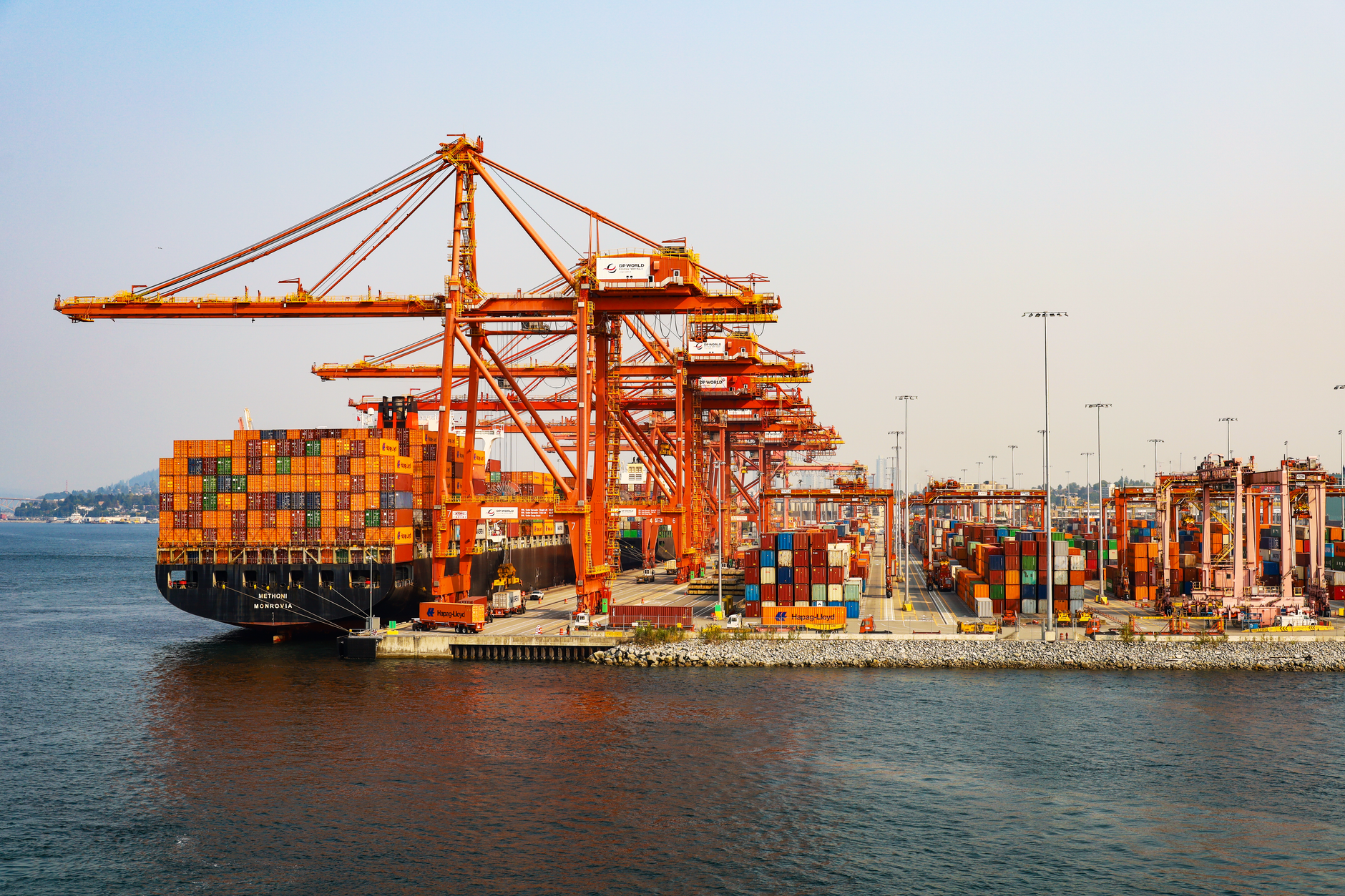
Photo: Travis Kerkvliet / Pexels