


New Pterosaur Species Discovered in Fossilized Dinosaur Vomit, Offering Insight Into Prehistoric Ecosystems
 By
Ethan Reid
By
Ethan Reid
| IN A NUTSHELL |
|
In a remarkable discovery, paleontologists have identified a new species of prehistoric flying reptile from the Early Cretaceous period. This breakthrough was achieved through the examination of a dinosaur’s fossilized vomit, offering fresh insights into ancient ecosystems. The findings shed light on the intricate relationships between species that existed over 100 million years ago. This discovery, set in the Araripe Basin of northeast Brazil, reveals a complex narrative about the prehistoric world, its creatures, and their interactions. The revelation underscores the importance of unconventional methods in understanding the past and the potential these methods hold for future discoveries.
Bakiribu Waridza: A New Discovery
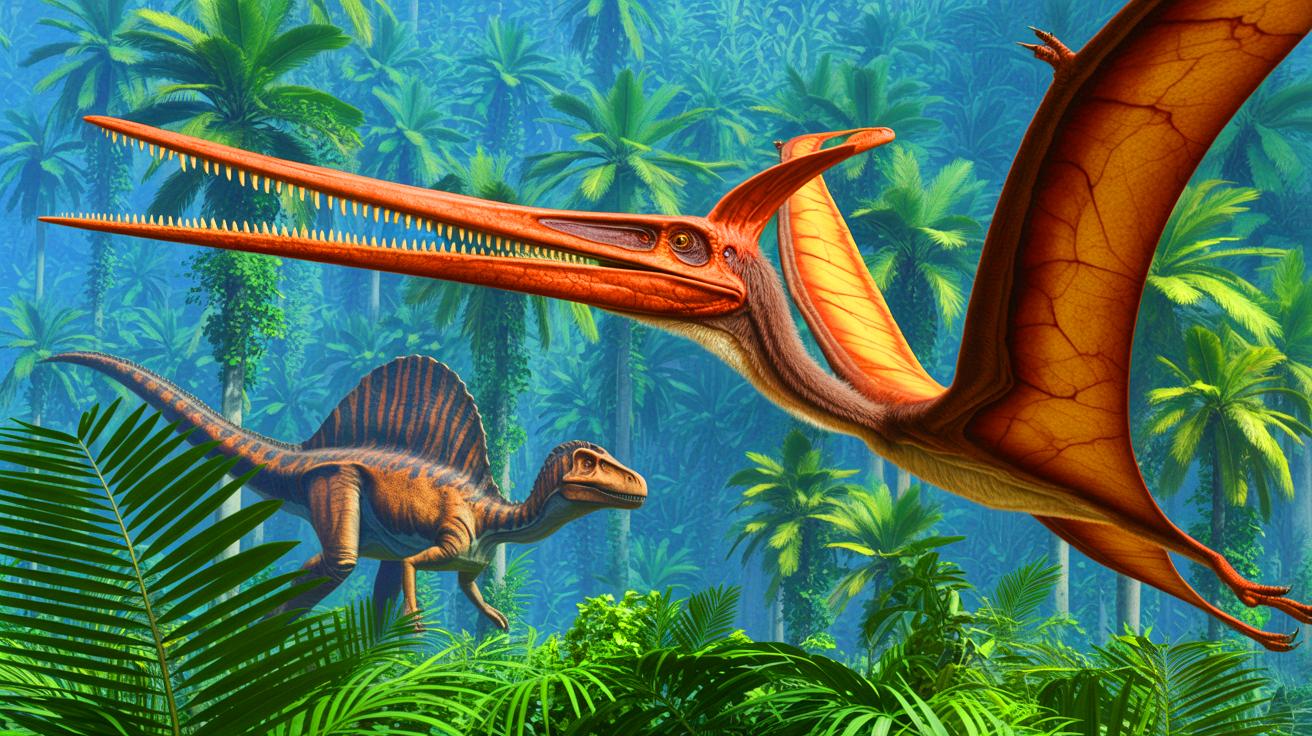
The newly discovered pterosaur, named Bakiribu waridza, is the first extinct creature identified from a “regurgitalite,” or fossilized vomit. This significant find was unearthed from the Romualdo Formation in Brazil, a site known for its rich fossil deposits. The name Bakiribu waridza is derived from a local dialect, meaning “comb mouth,” a nod to its unique oral anatomy. This discovery adds a new chapter to the narrative of extinct species and their habitats.
The pterosaur’s distinguishing feature is its elongated jaws adorned with rows of long, thin, meticulously aligned teeth. These structures are reminiscent of those found in two other pterosaur genera, Pterodaustro and Balaenognathus, both known for filter-feeding on small crustaceans. Such anatomical features highlight the diverse feeding strategies that evolved among pterosaurs, adapting to various ecological niches.
“The presence of densely compacted, semi-articulated, and fragmented pterosaur bones alongside numerous fish supports the interpretation of the assembly as regurgitalite, a mass of partially digested material expelled orally,” the study’s authors noted.
This unique discovery offers a glimpse into the dietary preferences of potential predators and the ecological dynamics of the time.
Predators and Prey: A Complex Ecosystem
The peculiar arrangement of the regurgitalite suggests that Bakiribu waridza was consumed by a creature with a predominantly piscivorous diet. The leading suspect is a member of the spinosaurid family, a group of predatory theropods whose fossil evidence has been found across all continents except Antarctica. This hypothesis provides a fascinating insight into predator-prey interactions during the Early Cretaceous period.
The discovery of B. waridza marks the first record of a ctenochasmatid pterosaur evolving under the tropical latitudes of the ancient supercontinent Gondwana. This finding expands our understanding of how these creatures adapted to different environmental conditions across the globe.
The research team emphasized,
“Its unique combination of anatomical traits refines our understanding of the evolutionary trajectory of filter-feeding pterosaurs.”
This discovery significantly contributes to our knowledge of trophic interactions in the Araripe Basin and highlights the region’s importance in reconstructing Early Cretaceous ecosystems.
“Breath of Extinction”: Dinosaur Teeth Reveal Shocking 150-Million-Year-Old Air Secrets
Unraveling Ancient Mysteries
This discovery is not an isolated incident. Just months earlier, the remains of baby pterosaurs, victims of a prehistoric storm, solved a mystery that had baffled scientists for 150 million years. Such findings highlight the dynamic and often unpredictable nature of paleontological research, driven by a combination of curiosity, persistence, and sometimes, sheer luck.
The discovery of Bakiribu waridza in a regurgitalite emphasizes the importance of exploring unconventional methods in paleontology. Each new finding adds a piece to the puzzle of Earth’s history, inviting researchers to ask new questions and challenge existing hypotheses.
As researchers continue to explore the Araripe Basin and other fossil-rich sites, the potential for new discoveries remains vast. This ongoing exploration promises to refine our understanding of ancient ecosystems and the creatures that once inhabited them.
The Implications for Future Research
The identification of Bakiribu waridza opens new avenues for research into ancient ecosystems and evolutionary biology. It underscores the importance of examining fossilized remains beyond traditional bones and teeth, considering other elements like regurgitalites that offer unique insights into past life.
This discovery raises intriguing questions about the behaviors and ecological roles of both the predator and prey species of the time. It invites further exploration into the dietary habits and environmental adaptations of prehistoric creatures.
The implications of this find extend beyond the scientific community, offering the public a glimpse into the complexities of life millions of years ago. How might future discoveries continue to reshape our understanding of Earth’s ancient history?