

The ethical considerations of robotics development
 By
Leah Morrison
By
Leah Morrison
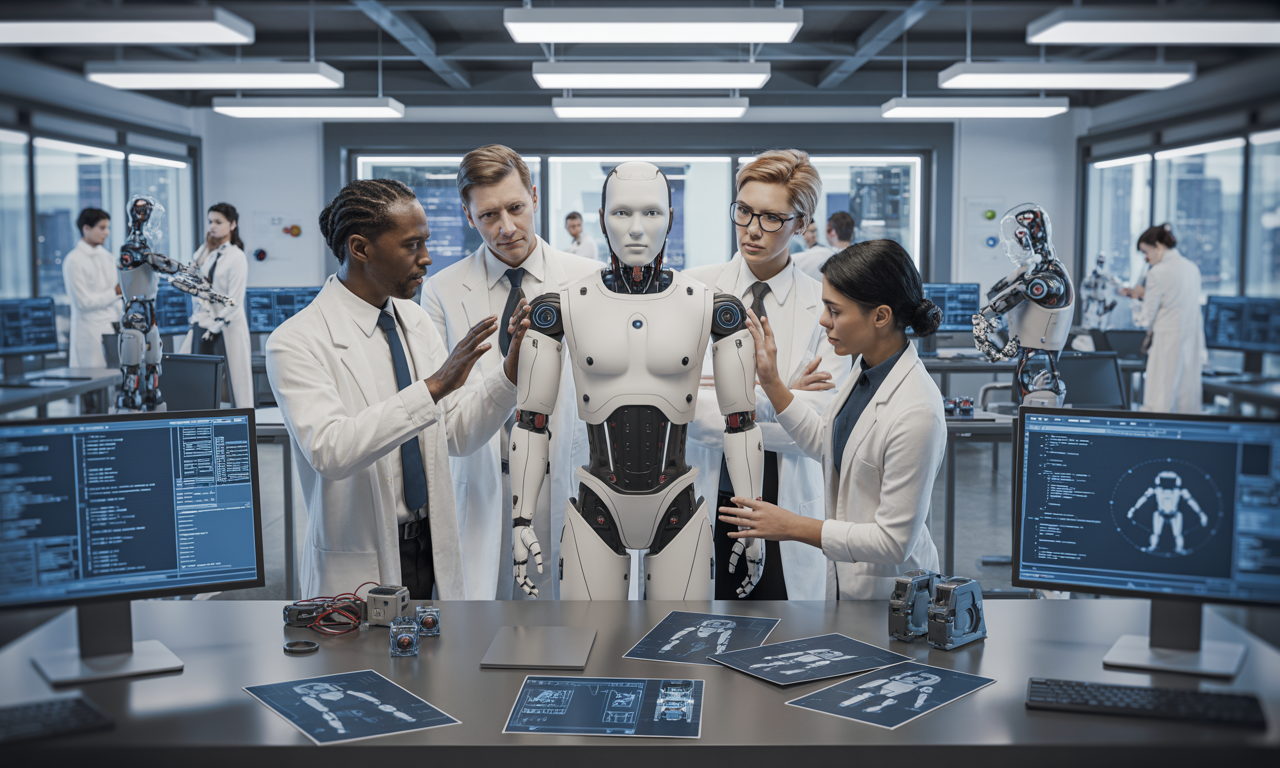
As robotics and artificial intelligence (AI) rapidly redefine the frontiers of modern society, their influence is felt from hospital operating rooms to the surface of Mars. Recent missions, like NASA’s advanced Mars rover, vividly illustrate the stakes: robotic explorers can reach places and gather data beyond human capability, but their precision, reliability, and data integrity hinge on ethical engineering from the ground up. This expanding presence of robots, developed and deployed by major innovators such as Boston Dynamics, OpenAI, Tesla, Nuro, SoftBank Robotics, Zapata Computing, Universal Robotics, Fetch Robotics, and Robotis, raises a host of ethical questions. Concerns stretch well beyond hardware, encompassing issues such as privacy, job displacement, algorithmic bias, and global governance. As technology reshapes industries and challenges social norms in 2025, the path to responsible robotics demands a proactive, multi-faceted approach that balances progress with moral responsibility.
Ethical Foundations Shaping Modern Robotics Development
Designing robotic systems with a core focus on ethics is not simply a technical obligation, it serves as a guiding compass for responsible innovation. The growing synergy between AI and robotics has fueled an incredible rise in autonomy and learning capabilities, but with each leap comes a new ethical crossroad. This demands constant vigilance from stakeholders, especially as market leaders like Boston Dynamics, Tesla, and Fetch Robotics push the envelope of automation and machine intelligence.
- Safety: Ensuring robots act predictably and avoid causing harm in dynamic environments.
- Accountability: Assigning responsibility for robot decisions, especially when powered by AI from providers like OpenAI or Zapata Computing.
- Transparency: Explaining complex robotic actions, particularly as algorithms make increasingly consequential choices.
- Fairness: Preventing embedded bias and promoting equitable access, following examples set by SoftBank Robotics and Nuro.
- Social Impact: Weighing how widespread robotic adoption affects employment, privacy, and societal structures.
The journey toward trustworthy robotics begins with the architecture of ethics, laying robust foundations that will shape every interaction between machine and society.
Emergence of AI-Powered Robotics: Challenges and Opportunities
The alliance between AI and robotics unlocks solutions previously thought impossible. Universal Robotics and Robotis are at the forefront, deploying adaptable robots in fields ranging from logistics to education. OpenAI’s advancements in deep learning further expand what robots can learn and achieve autonomously. However, giving robots the ability to perceive, decide, and act independently introduces nuanced ethical dilemmas, especially around oversight and fairness.
- Enhanced Capabilities: AI lets robots learn, predict, and adapt, improving outcomes in sectors like healthcare, manufacturing, and even space research.
- Autonomous Decision-Making: Robots increasingly operate without direct human supervision, raising issues about control and trustworthiness.
- Data Privacy: With robots connected to the internet (as seen with Nuro’s delivery vehicles or Tesla’s autonomous fleets), safeguarding sensitive information becomes crucial.
- Bias in Algorithms: If training data is flawed, robots may exhibit unfair behaviors, prompting organizations like Zapata Computing and Fetch Robotics to prioritize bias mitigation strategies.
- Public Trust: Responsible innovation, clear communication, and inclusive stakeholder engagement are vital for societal acceptance.
While the benefits are vast, thoughtful deployment of AI-powered robots ensures society reaps rewards without sacrificing core values.
Risks of Widespread Robot Adoption: Key Ethical Dilemmas
The spread of advanced robotics, though transformative, brings complex risks that society must address honestly. One central issue is job displacement: automation threatens careers in traditional sectors, presenting both challenges and opportunities. The World Economic Forum predicts up to half the current job market could be impacted by automation by 2025, even as new tech-driven roles emerge.
- Job Security: Displacing workers requires proactive support, such as upskilling, retraining, and robust safety nets.
- Privacy and Surveillance: Robots in public and private spaces trigger concerns over the handling of personal data and continual monitoring.
- Bias and Discrimination: Historical biases in AI data could inadvertently perpetuate unfair outcomes across healthcare, hiring, or law enforcement domains.
- Autonomous Weapons: Military robots, debated at the UN level, pose moral questions about accountability and human oversight in lethal decisions.
Firms like Boston Dynamics and SoftBank Robotics confront these dilemmas by embedding ethical checks into development pipelines and collaborating with independent oversight boards. The sector’s evolution must never outpace society’s ability to set meaningful guardrails.
Global Regulation and Ethics: Building Consistent Standards in Robotics
Responses to these ethical challenges vary worldwide. The European Union’s 2024 AI Act, an unprecedented regulatory framework, classifies robotics applications by risk, imposing strict limitations or bans on those deemed unacceptable (such as autonomous weapons or above-threshold surveillance). Meanwhile, countries like Japan and the US set national standards, with organizations such as NIST refining guidelines for transparency and bias mitigation.
- EU AI Act: Categorizes AI applications and robotics by risk, banning certain uses and placing strong requirements on high-risk technologies.
- Japan’s Care Robotics Guidelines: Focuses on informed consent and equitable robotic care in healthcare environments.
- US NIST Initiatives: Prioritizes technical standards for algorithmic transparency and ethical deployment.
- UN Discussions: Calls for global treaties restricting autonomous weapons and advocating human-in-the-loop principles.
- Industry Certification: Push from companies like Tesla and Boston Dynamics for international ethical certification, especially for autonomous vehicles and humanoid robots.
International collaboration is essential for harmonized standards, creating a level playing field and ensuring that the ethics of AI steer technology in service of humanity.
Practical Frameworks: Ensuring Ethics in AI-Driven Robotics
Evaluating ethical AI in robotics requires more than compliance; it calls for a dynamic, inclusive process. Zapata Computing and Nuro, for example, utilize impact assessments and cross-disciplinary reviews throughout development. Such measures help guarantee transparency as teams weigh societal effects, data protection protocols, and ongoing monitoring of algorithmic decisions.
- Impact Assessments: Analyze AI’s societal impact before deployment.
- Stakeholder Engagement: Involve ethicists, technologists, policy experts, and the public.
- Continuous Auditing: Regularly review algorithms to detect and fix bias or unexpected outcomes.
- Transparent Communication: Clearly inform users about how robotics and AI decisions affect them, building trust.
- Proactive Risk Management: Integrate ethics early to anticipate, not just react to, emerging issues.
The robust frameworks refined in 2025 will guide global leaders as they balance breakthrough innovations and enduring ethical responsibilities.
Building a Culture of Ethical Robotics: The Role of Technology Leaders and Collaboration
The pace-setters in robotics, including Boston Dynamics, OpenAI, Tesla, SoftBank Robotics, and others, recognize that proactive stewardship is their passport to social license. By inspiring a new generation of engineers with academic partnerships and dedicated ethical curricula, firms strengthen industry-wide best practices and foster cross-sector trust.
- Academic Partnerships: Develop ethics modules co-designed by industry and universities to train future talent (with input from Fetch Robotics and Robotis).
- Internal Ethics Boards: Institutionalize review panels to assess controversial deployments and address societal implications before public rollout.
- Community Engagement: Invite public feedback and concerns, shaping robots that reflect diverse user values.
- Public Accountability: Publish transparency reports detailing risk management and ethical incident response.
- Open Collaboration: Encourage dialogue and cooperation between rival innovators, ensuring collective progress benefits all.
As the field evolves, the reputation of robotics and AI companies will rest on their ability to balance innovation with stewardship, proving that progress and ethics are not mutually exclusive, but deeply interdependent.