

The importance of education in robotics for future engineers
 By
Leah Morrison
By
Leah Morrison
As industries worldwide rapidly integrate automation, artificial intelligence, and smart technologies, the need for future engineers skilled in robotics has never been greater. Educational innovation is keeping pace: classrooms from primary to postgraduate levels are transforming through hands-on robotics programs. Curriculums supported by platforms like Robotics Academy, FIRST Robotics, and VEX Robotics offer students not only technical proficiency but also foster creativity, teamwork, and problem-solving abilities essential for the modern workplace. As initiatives such as LEGO Education and MIT Media Lab push the frontiers of interactive pedagogy, and competitions like Tech Challenge ignite passion in young minds, robotics education is at the heart of shaping the new generation of engineers, preparing them for careers that will define the coming era.
Robotics Education: A Foundation for Tomorrow’s Engineers
Robotics education infuses engineering curriculums with practical, future-oriented skills. Bringing together technology, engineering, creativity, and computer science, this interdisciplinary approach transforms how students grasp and apply core principles. Pioneers like Khan Academy and STEMfinity have played roles in broadening access, making complex concepts tangible and engaging through accessible learning modules.
- Project-based learning bridges theory and real-world applications.
- Exposure to modern tools ensures readiness for fields such as healthcare robotics, smart manufacturing, and autonomous vehicles.
- Organizations like RobotShop facilitate access to high-quality components for exploration and innovation.
- Interactive programs, including CyberPatriot for cybersecurity, complement robotics by integrating essential skills in data protection and digital ethics.
Hands-on Learning and Real-world Challenges in Robotics
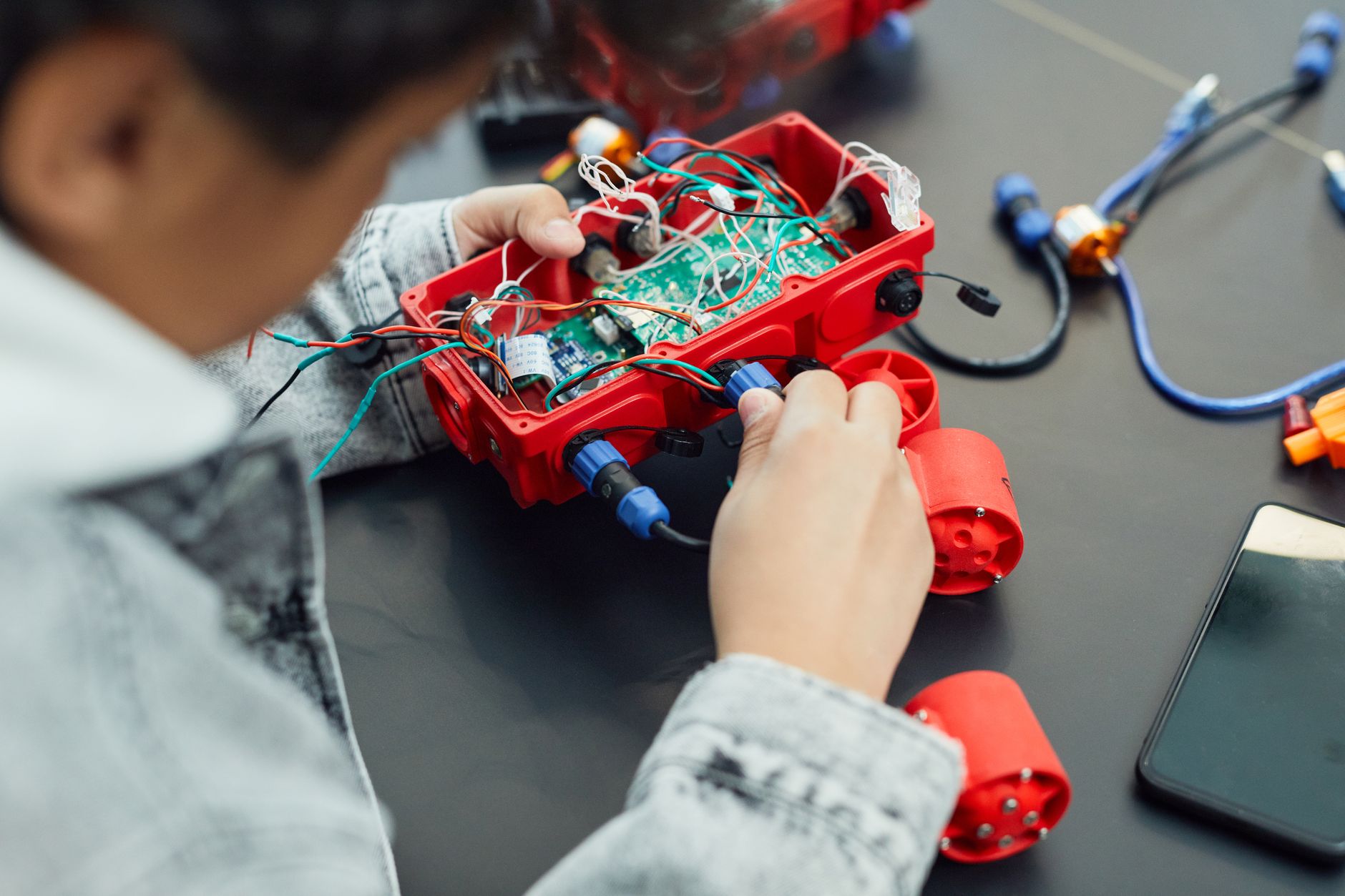
Unlike traditional lecture-based instruction, robotics education thrives on active participation and trial-and-error exploration. Students not only learn to assemble and program robots but also navigate complex challenges to design efficient solutions. Engineering faculties at universities such as the MIT Media Lab have set benchmarks by integrating hands-on robotics labs into core courses. This approach develops profound confidence in handling real technological problems.
- Building robots fosters a stronger conceptual understanding of programming, mechanics, and electronics.
- Collaborative projects simulate genuine engineering teamwork and communication challenges.
- International competitions like FIRST Robotics and VEX Robotics demand creative problem-solving under pressure.
Cultivating Essential Skills Through Robotics in Engineering Education
Modern engineering roles require more than technical know-how; abilities in critical thinking, problem-solving, and innovation are now fundamental. Robotics programs nurture these by placing students in scenarios where analysis, design, troubleshooting, and adaptation are as important as theoretical knowledge. The synergy of cross-disciplinary projects, integrating mathematics, science, and digital creativity, is what sets this educational approach apart.
- Students decompose complex problems and develop stepwise solution strategies.
- Trial and error in building and programming helps cultivate a resilient, iterative mindset.
- Exposure to diverse tools (such as sensors and microcontrollers from RobotShop) broadens technical versatility.
Collaboration, Diversity, and Inclusion in Robotics Engineering
Robotics education extends beyond technical skills by also reinforcing teamwork and collaboration. Working in diverse teams, students confront and appreciate different perspectives, skillsets, and problem-solving approaches. Initiatives supported by LEGO Education and global programs ensure that robotics is accessible, regardless of background or experience. Such inclusivity is essential, particularly in developing countries, where new opportunities are emerging thanks to open-source kits and remote learning platforms.
- Team-based projects delegate roles and responsibilities, echoing real workforce structures.
- Inclusive kits and challenges (e.g., through LEGO Education or CyberPatriot) make robotics approachable to all learners.
- Mentorship from groups like Robotics Academy helps close engineering’s gender gap.
Integrating Robotics Across STEM Curriculums
Modern STEM education thrives on the integration of robotics into curricula at all levels. This multidimensional approach equips students with a holistic understanding of science, technology, engineering, and mathematics as interconnected fields. Platforms like Khan Academy complement this integration by offering tailored mathematical exercises directly relevant to robotics programming and analysis.
- Robotics modules support math learning via real-life applications, like trajectory computations or sensor data analysis.
- Science concepts (e.g., energy transfer, motion) are explored through hands-on robotic experiments.
- Engineering students gain design and testing experience through iterative prototyping, key for future innovation.
- Technology classes introduce coding basics and data handling using robotics platforms supported by STEMfinity.
Competitions and Challenges: Sparking Innovation and Purpose
Robotics competitions like the Tech Challenge, VEX Robotics, and FIRST Robotics serve as vibrant platforms where passion and learning intersect. These events intensify the educational experience by pushing students to solve novel problems under time constraints and present their work to judging panels of industry experts. Success stories often begin here, future engineers credit these experiences with shaping their career aspirations and technical prowess.
- Teams strategize, design, and iterate under real-world constraints.
- Networking with peers and industry experts accelerates knowledge sharing and soft skill development.
- Achievement in these arenas often leads to scholarships, internships, or direct involvement in sector-leading ventures.
Tackling Challenges in Access, Resources, and Professional Development
Implementing high-quality robotics education is not without obstacles. Funding, access to resources, and educator training remain pressing issues, especially in under-resourced regions. However, partnerships with stakeholders like RobotShop, university initiatives, and sponsorships from industry leaders provide innovative pathways forward. Online platforms and community-driven initiatives further democratize robotics education, extending its reach and impact in 2025.
- Schools source equipment through grants, donations, and programs supported by companies like STEMfinity.
- Educator training and peer support (often through online communities) empower more teachers to confidently deliver robotics curricula.
- Remote labs and e-learning courses (such as those from Khan Academy) break traditional barriers of geography and resources.
From Student Skills to Industry Demand: Closing the Engineering Gap
As industrial sectors, including healthcare, logistics, and even creative arts, increasingly rely on robotic solutions, the skills gained through comprehensive robotics education align directly with current and future workforce needs. Employers prioritize not only technical competence but also interdisciplinary thinking and adaptability. Graduates of robust robotics programs are equipped to both join established companies or launch entrepreneurial ventures in emerging fields.
- Knowledge of current robotics platforms (such as those offered by VEX Robotics, LEGO Education, and RobotShop) is a key hiring criterion in many engineering firms.
- Participation in competitions and academies (e.g., CyberPatriot, Robotics Academy) indicates the ability to handle real-world, multidisciplinary challenges.
- Robotics-trained engineers are emerging as leaders in sustainability, healthcare innovation, and digital transformation worldwide.