

The future of autonomous robots in everyday life
 By
Leah Morrison
By
Leah Morrison
In just over two decades, the fusion of artificial intelligence and advanced robotics has shifted from the fabric of science fiction to the heart of modern life. This transformation is visible in our homes, streets, workplaces, and even the fields that feed us. Autonomous robots, once imagined as futuristic marvels, are now reshaping industries, streamlining daily routines, and blending seamlessly with human activity. As we move into 2025, technologies from Boston Dynamics, iRobot, Tesla, and innovative startups are pushing the boundaries of what autonomy means. This exploration examines how intelligent robots are changing the ordinary, making the future not just automated, but deeply personal and immersive.
How AI-Driven Robotics is Revolutionizing Daily Routines
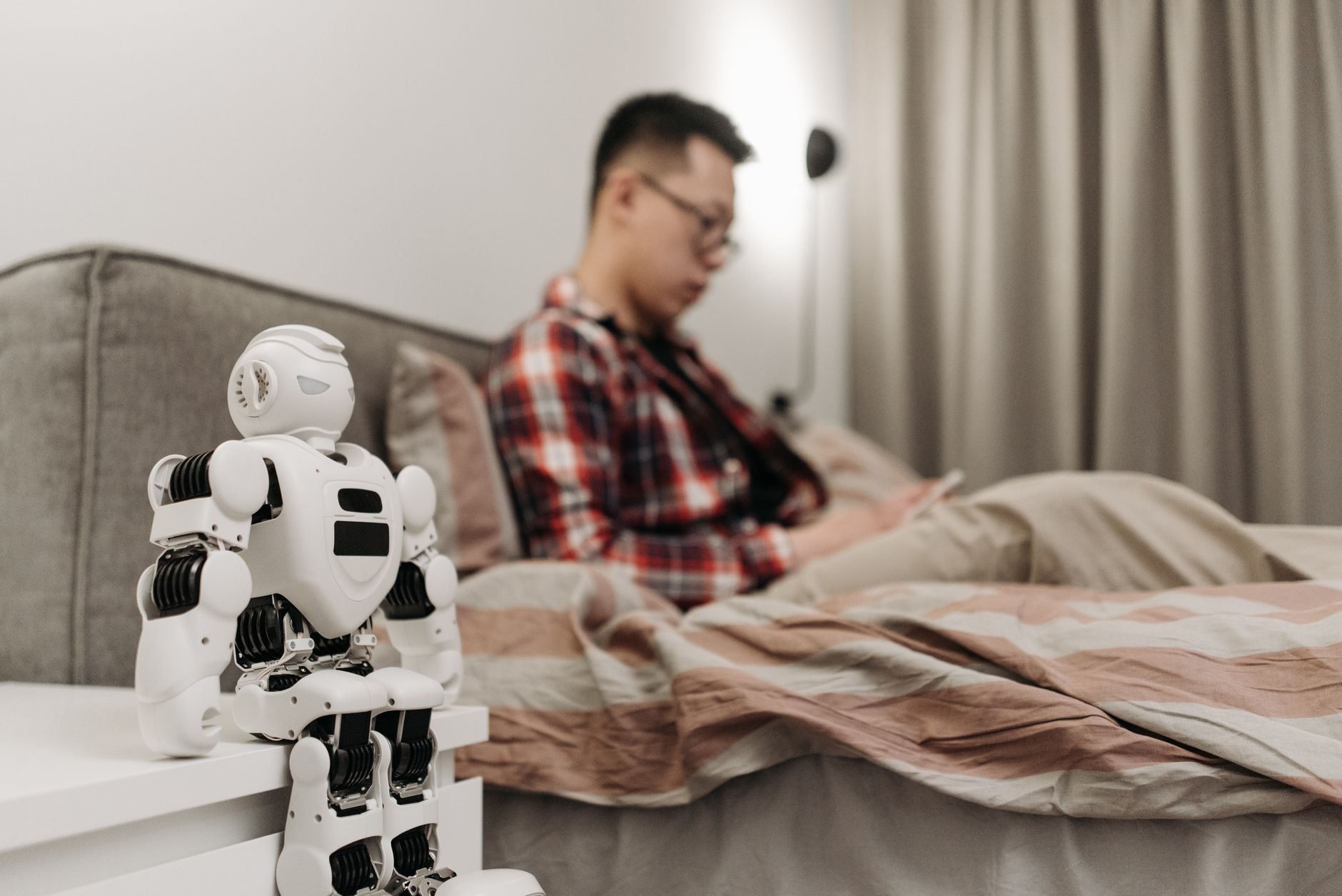
Autonomous robots powered by AI have become familiar faces in our everyday environments. Voice-activated assistants now regulate lighting, answer questions, and manage household security, while other robots quietly clean, cook, or deliver groceries. Advances from companies like iRobot and Boston Dynamics contribute directly to this seamless integration, bringing innovative features such as adaptive navigation, real-time learning, and even basic emotional intelligence to the table. The result is a living space that anticipates needs and enhances quality of life.
Key Applications in Modern Homes
The rise of affordable, intelligent gadgets continues to bridge the gap between convenience and efficiency. Consider how:
- Smart home assistants perform diverse tasks using advanced natural language processing.
- Autonomous vacuum cleaners from leading brands like iRobot keep living spaces spotless without human intervention.
- AI-powered kitchen appliances suggest recipes, manage groceries, and optimize energy use.
- Facial recognition security systems safeguard privacy while ensuring ease of access.
- Wearable health trackers synchronize with robots to monitor daily well-being and suggest improvements.
The blend of intuitive interfaces and robotic precision presents a new era of daily comfort, setting the stage for broader societal transformation.
Autonomous Mobility: Changing How We Move and Connect
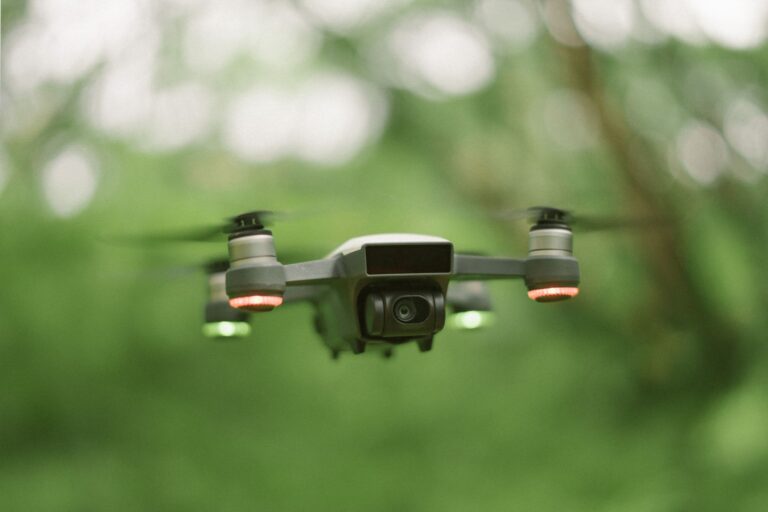
The mobility revolution extends far beyond self-driving cars. Autonomous transport, delivery robots, and aerial drones are rapidly becoming mainstream, with companies like Tesla, Nuro, DJI, and Starship Technologies leading the charge. Their innovations address everything from traffic safety to logistic efficiency and accessibility for people with limited mobility.
Emerging Trends in Transportation and Logistics
Autonomous mobility brings efficiency, speed, and flexibility to personal and commercial travel:
- Self-driving cars by Tesla reduce accidents and increase independence for non-drivers.
- Delivery robots from Starship Technologies and Nuro enable contactless, rapid last-mile services.
- DJI drones handle everything from monitoring crops to emergency supply drops.
- Robotic public transport increases coverage in underserved areas.
- AI-powered traffic systems reduce congestion by adapting in real time to road events.
These advances not only optimize logistics but also redefine urban planning and everyday lifestyles around mobility.
Autonomous Robots Reshaping Workspaces and Industry
Robotic integration is catalyzing a seismic shift in workplaces, from factories to hospitals. Major players such as KUKA, NVIDIA, Boston Dynamics, and RoboCup foster intelligent collaboration between humans and machines. Robots now execute repetitive, dangerous, or labor-intensive tasks, freeing human workers for creative and strategic endeavors. The synergy of AI and robotics also ensures greater precision, lower costs, and improved safety across industries.
Examples of Industrial Automation and Collaboration
Practical industry applications already include:
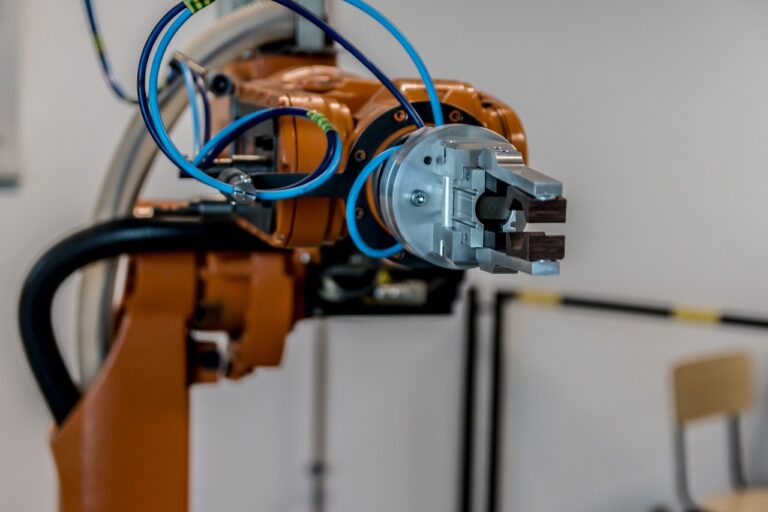
- KUKA robotic arms assembling products with millimeter-level accuracy.
- Boston Dynamics’ mobile robots assisting with inventory and hazardous environments.
- NVIDIA AI platforms powering predictive maintenance and real-time quality control.
- Robotic surgery systems delivering minimally invasive procedures and faster recovery times.
- Human-robot teamwork in logistics, reducing workplace injuries and boosting productivity.
Collaboration is the cornerstone of the future workspace, where robots enable higher human potential rather than replacing it.
Intelligent Support in Healthcare, Education, and Beyond
Autonomous robots extend their impact well past physical chores and mobility. Sectors like healthcare, education, and agriculture benefit profoundly from bespoke machine intelligence. Robust solutions designed by pioneers including RoboVentures, along with cutting-edge health monitoring and diagnostics, empower professionals to deliver higher quality care and learning. Personalized tutoring, assistive therapy robots, and advanced diagnostics attest to the transformative role of robotics in essential human domains.
Life-Changing Applications for Well-Being and Society
Key AI-robotics solutions currently improving everyday life include:
- Robotic surgical systems that minimize risk and enhance recovery.
- Real-time diagnostic tools powered by NVIDIA’s AI engines for fast, accurate assessments.
- Edtech robots that personalize learning pace and style for each student.
- Agriculture bots that monitor soil, detect disease, and automate harvesting.
- Social robots offering companionship and therapeutic support to vulnerable individuals.
The journey toward intelligent, compassionate automation is already underway, shaping healthier and more inclusive societies.
Opportunities, Challenges, and Vision: Autonomous Robots by 2025
While the benefits are substantial, enhanced efficiency, precision, and accessibility, autonomous robots also introduce complex challenges. These include questions of privacy, ethical accountability, workforce adaptation, and regulatory oversight. Events like RoboCup and investments from firms like RoboVentures showcase both the dynamic potential and the need for prudent growth in this space. As the landscape evolves, cross-disciplinary collaboration and responsible innovation are critical for sustainable adoption of robotics into daily life.
Key Areas for Progress and Reflection
Ensuring a balanced future with autonomous robots requires focus on:
- Technological literacy to help the public adapt to rapid change.
- Ethical frameworks to guide responsible use of data and machine autonomy.
- Job re-skilling initiatives supporting workers in sectors undergoing automation.
- Diverse, representative design teams for inclusive technology development.
- Proactive regulation and oversight safeguarding public interest.
The era of autonomous robots is not merely about automation, it’s about reimagining what daily fulfillment and human collaboration can look like in an intelligent world. As 2025 unfolds, the challenge lies in ensuring that this revolution empowers and uplifts people from every walk of life.