

China’s Stunning Energy Breakthrough: “This Will Change Our Future,” Says Scientist Behind 100-Year Battery
 By
Ethan Reid
By
Ethan Reid
| IN A NUTSHELL |
|
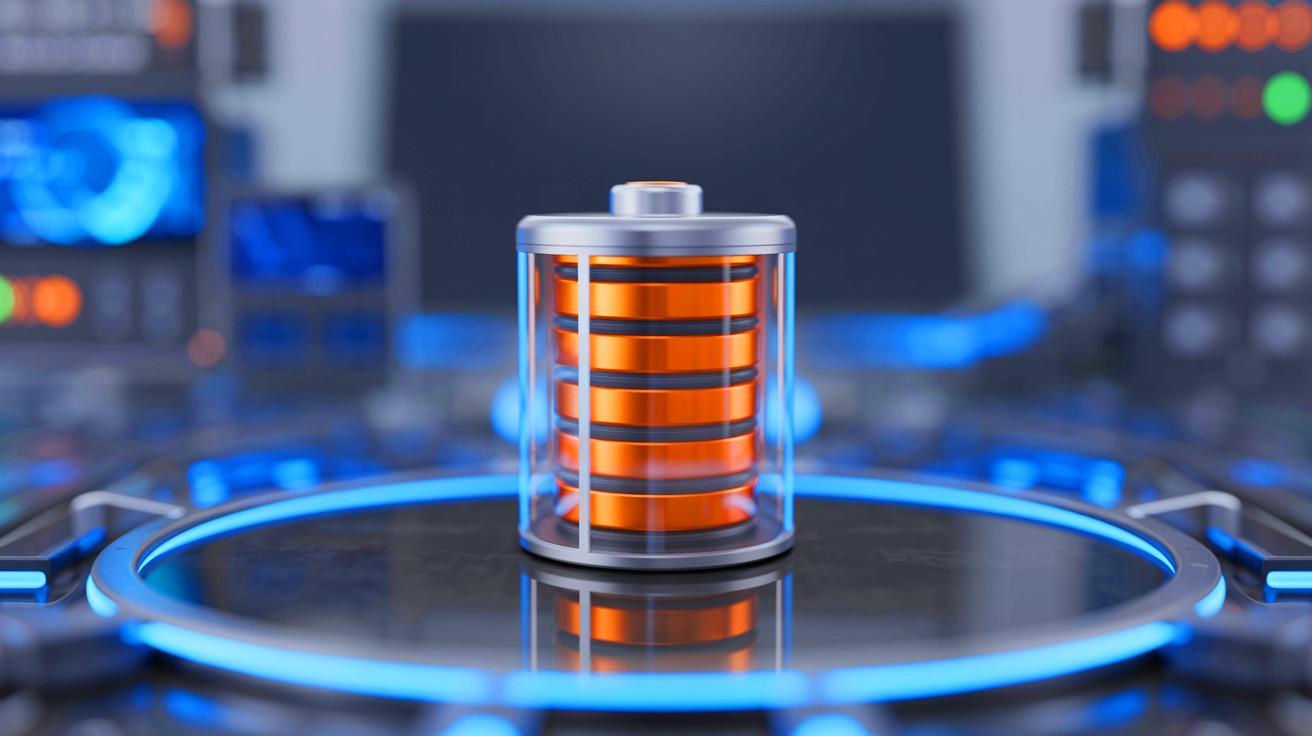
The world of energy technology may be on the verge of a significant breakthrough. A new type of battery developed in China promises to operate for a century without recharging. This innovative power source, known as the Zhulong-1, utilizes the radioactive isotope carbon-14 to generate energy. It could transform how we think about powering devices, offering a durable and reliable energy solution for machinery that needs to function for extended periods without human intervention.
Harnessing Carbon-14 for Long-Term Energy Production
China’s new battery, the Zhulong-1, represents a leap forward in long-term energy solutions. Developed by Northwest Normal University, this miniature battery can reportedly function continuously for 100 years. The secret to its longevity lies in the slow decay of carbon-14. This radioactive isotope releases a small amount of energy, which is then converted into electricity by a silicon carbide shell.
The shell plays a dual role: it transforms the radiation into a usable electric current while completely containing it, ensuring no radioactive leakage occurs. This approach gives the battery an energy density ten times greater than that of a conventional lithium-ion battery. With a half-life of 5,730 years, carbon-14 can theoretically power a device for millennia, making it an ideal candidate for very long-term energy needs.
Building a Battery for Extreme Conditions
The Zhulong-1 is engineered to withstand extreme temperatures, remaining stable from -148 to 392 degrees Fahrenheit. Additionally, its degradation rate is remarkably low, with less than 5% loss over 50 years. When the battery reaches the end of its life, the remaining material becomes harmless, significantly reducing its environmental impact.
Despite its longevity and stability, the power output of the Zhulong-1 remains low, at the nanowatt level. This limitation means it cannot power energy-intensive devices like electric vehicles or computers. However, it is ideally suited for low-consumption devices that must operate continuously for decades, such as pacemakers. A pacemaker with this battery could last the lifetime of the patient, compared to the current average of fifteen years. It could also be used in industrial sensors placed in inaccessible locations, providing a reliable power source without the need for maintenance.
Developing the Zhulong-2 for Broader Applications
The development team is already working on the Zhulong-2, a smaller and more cost-effective version of the battery. About the size of a coin, this battery is designed to be easily integrated into various systems. Beyond medical and industrial uses, these batteries could also power satellites. Their exceptional longevity would ensure that instruments remain operational throughout their mission, even in parts of the solar system where solar energy is insufficient.
Currently, only China has the industrial capacity to produce carbon-14 in sufficient quantities. This gives the country a strategic advantage in advancing this technology. While these batteries won’t lead to everlasting smartphones or cars, they pave the way for ultra-durable power solutions for specific applications. Could this be the beginning of a new era in energy technology?
The Strategic Implications of Carbon-14 Batteries
The potential of these carbon-14 batteries extends beyond technical specifications. They could reshape strategic dynamics in energy production and usage. China’s ability to produce carbon-14 efficiently positions it at the forefront of this technological frontier. This capability might influence global energy strategies, as other nations may seek to develop similar technologies or rely on Chinese production.
The implications for industries like space exploration, defense, and remote sensing are profound. Devices powered by these batteries could operate autonomously for extended periods, reducing the need for maintenance and human intervention. This development raises questions about how other countries will respond and whether international collaborations could emerge to leverage this technology for broader benefits.
As the world grapples with energy challenges, the development of carbon-14 batteries brings a new dimension to the conversation. Their ability to provide long-lasting, reliable power for specific applications highlights the potential for innovative solutions to meet our energy needs. How will this technology shape the future of energy and influence global power dynamics?