



“Coca-Cola Lies!”: Trump’s Bold Beverage Boast Fizzles Fast as These Nutritionists Sound the Alarm on This Empty Promise
 By
Ethan Reid
By
Ethan Reid
| IN A NUTSHELL |
|
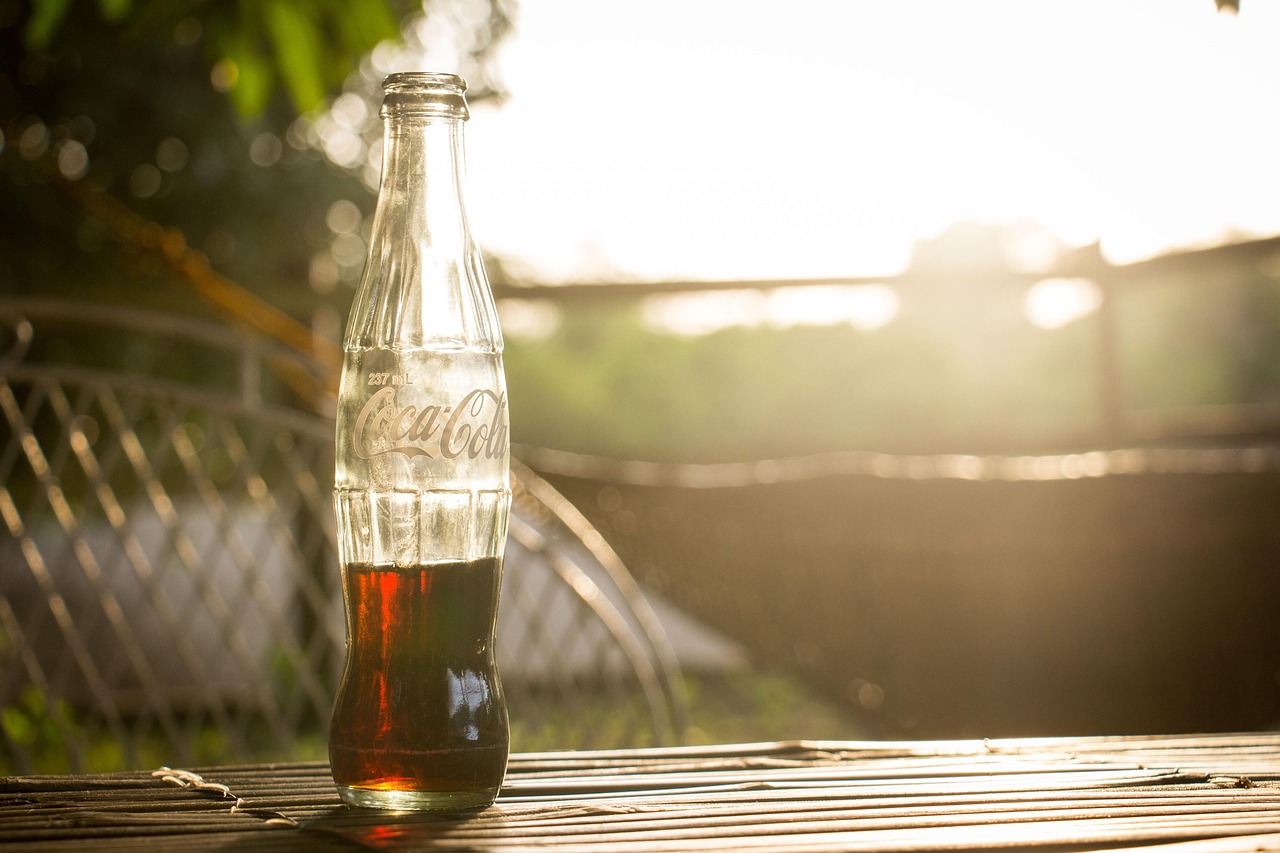
In a surprising twist, former President Donald Trump recently declared that he had persuaded Coca-Cola to switch to using “REAL Cane Sugar” instead of high-fructose corn syrup (HFCS) in their iconic beverage. This announcement, made via social media, quickly gained traction, sparking discussions and debates across various platforms. However, Coca-Cola has yet to officially confirm such an agreement, leaving many to wonder about the validity of Trump’s claims. As the conversation unfolds, health experts and nutritionists weigh in on the potential implications of such a change, if it were to occur.
Trump’s Bold Announcement and Coca-Cola’s Vague Response
On a late Tuesday evening, the social media world buzzed with President Trump’s proclamation of a new agreement with Coca-Cola. He confidently stated that the beverage giant would transition to using cane sugar in their products, a move he described as beneficial. Trump’s announcement was met with enthusiasm by his supporters and some media outlets, particularly Fox News, which celebrated this supposed shift as a victory for the “Make America Healthy Again” movement.
Despite the fanfare, Coca-Cola’s response was notably reserved. The company released a statement appreciating Trump’s enthusiasm for their brand but stopped short of confirming any changes to their ingredients. Instead, they hinted at future announcements regarding innovative offerings. This ambiguity left many questioning whether the agreement was real or merely speculative.
The Sweetener Debate: Cane Sugar vs. High-Fructose Corn Syrup
The crux of the controversy lies in the sweeteners themselves. Coca-Cola currently uses HFCS in its U.S. products, while cane sugar is used in versions of the drink available in other countries, like Mexico. The debate over cane sugar versus HFCS is not new, with many consumers and health advocates favoring cane sugar as the more natural option.
However, Coca-Cola defends its use of HFCS, emphasizing that it is a safe sweetener made from corn with calorie content similar to that of cane sugar. The American Medical Association supports this view, stating that HFCS is no more likely to contribute to obesity than table sugar. The debate continues as nutritionists urge consumers to focus on overall sugar consumption rather than the type of sweetener used.
Nutritional Insights and Health Implications
Health experts, including nutrition expert Marion Nestle, have been vocal about the potential impact of switching to cane sugar. Nestle argues that whether Coke is sweetened with cane sugar or HFCS, it still contains approximately 10 teaspoons of sugar per 12-ounce can. This amount poses significant risks for conditions such as Type 2 diabetes and cardiovascular disease.
In essence, the type of sugar used in sweetening is less relevant than the total sugar content. Nutritionists like Nestle find the debate over sweeteners somewhat misleading, as it distracts from the larger issue of reducing overall sugar intake. Instead of focusing on a single ingredient change, experts advocate for broader dietary changes to improve public health.
The Broader Context: Politics and Public Perception
Amidst this sweetener controversy, political critics suggest that the issue serves as a diversion from more pressing matters, such as ongoing scandals. The focus on Coca-Cola’s ingredients might be seen as a strategic distraction from these issues, designed to shift public attention.
Public perception plays a crucial role in such debates. The media’s portrayal of the supposed agreement and the ensuing discussions highlights the power of narrative in shaping consumer opinions. Understanding the motivations behind such announcements and their potential impact can help consumers make informed decisions about their health and well-being.
As the debate over Coca-Cola’s sweeteners continues, it raises important questions about consumer preferences, health implications, and the role of corporations in shaping public perception. The conversation underscores the need for transparency and informed decision-making in our dietary choices. How will this ongoing dialogue influence future food and beverage industry practices, and what role will consumers play in driving change?