

Understanding the impact of robotics on the workforce
 By
Leah Morrison
By
Leah Morrison
The accelerating pace of robotics and automation is remapping the global workforce more rapidly than ever before. Companies such as Boston Dynamics, ABB Robotics, and KUKA are not only redefining industrial benchmarks for efficiency, but also prompting essential debates about job security, skills, and the long-term socio-economic balance. Within this shifting landscape, giants like NVIDIA and Siemens drive the intelligence behind automation, while collaborative robots from Universal Robots and Yaskawa facilitate nuanced cooperation between humans and machines. Pioneers such as Rethink Robotics and household names like iRobot illustrate how robots now touch everything from factory floors to everyday home life. As studies between 2020 and 2024 reveal a mix of anxiety and optimism, the onus is on businesses, policymakers, and society to ensure that this technological transformation elevates all, rather than dividing opportunities. A closer look at the intricate impact of robotics sheds light on the road ahead for workers, employers, and communities alike.
How Robotics Is Reshaping Employment: Efficiency Gains and Challenges
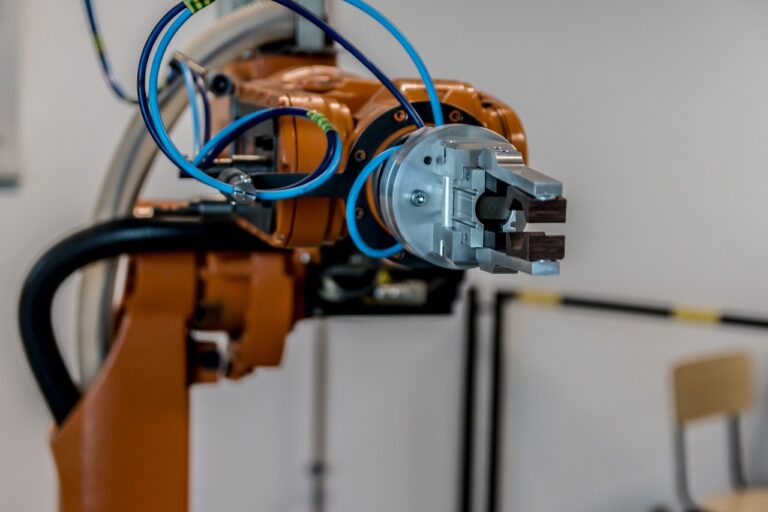
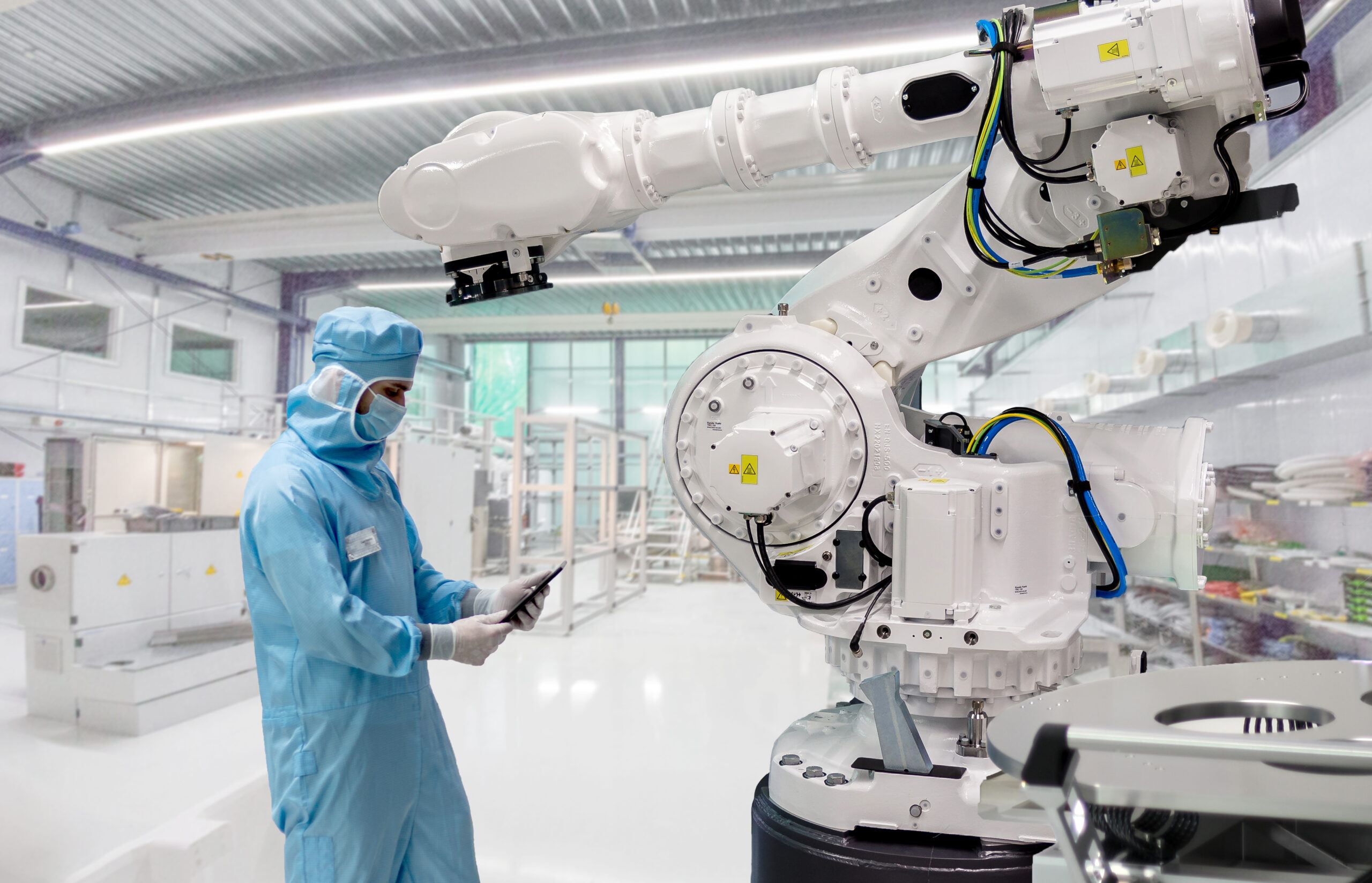
Robots have become a cornerstone for boosting productivity across sectors, but this transformation brings a dual narrative: rising efficiency and evolving workforce challenges. Trailblazers like Fanuc and ABB Robotics have equipped modern factories with robots capable of 24/7 operation, minimal error margins, and seamless scalability.
- Automotive manufacturers deploy robots for welding and painting at speeds human workers cannot match.
- Retailers rely on automated warehouses powered by AI from companies like NVIDIA
- Healthcare innovators utilize surgical robots for minimally invasive procedures, improving precision and patient recovery.
Yet, these advances also spark concerns about job displacement. Routine, repetitive roles such as assembly line work and data entry face automation pressure, a trend confirmed in literature reviews up until 2025. The societal impact is nuanced: some workers are compelled to reskill, while others find new prospects in emerging technical fields. As robots handle the mundane, humans can pivot toward creative, complex, and strategic positions, a transformative but challenging shift for many industries worldwide.
Industries Most Impacted by Robotics and Automation in 2025
While robotics touch every corner of the economy, certain industries experience a more pronounced impact. Recent analyses highlight:
- Manufacturing: Fully automated lines, especially at KUKA and Yaskawa facilities, are setting benchmarks in volume and quality.
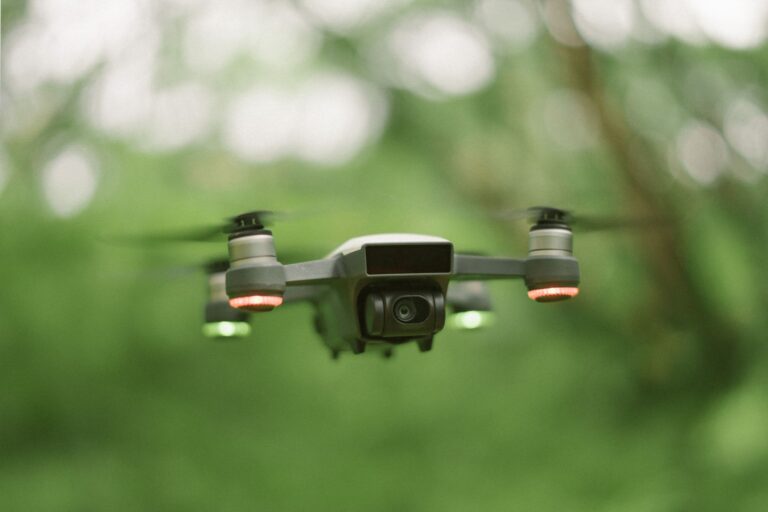
- Logistics: Drones and autonomous vehicles, with software advances from NVIDIA and systems from Siemens, streamline supply chains.
- Healthcare: Robotic surgery platforms and diagnostic algorithms shape patient care and hospital workflows.
- Home automation: Devices from iRobot bring robotics into daily routines, shifting the concept of personal service jobs.
This sectoral rebalancing means that, while some traditional roles are lost, others, most notably those involving creativity, supervision, and robotics maintenance, are rapidly gaining importance and prestige.
Skills for the Future: Adapting to Automation’s Rise
The reconfiguration of the workforce by robotics demands a profound shift in skills and lifelong learning. As automation undertakes more predictable and data-driven tasks, human talent is pushed toward problem-solving, creativity, and emotional intelligence.
- Technical expertise: Fields like robotics engineering and AI development (e.g., at Rethink Robotics, Universal Robots) are booming.
- STEM education: The call for advanced skills in science, technology, engineering, and math is echoed across every automation-driven sector.
- Soft skills: Communication, adaptability, and empathy are increasingly prized to complement machine efficiency.
- Green tech roles: Sustainability-driven positions, supported by smart automation, have emerged as a new growth market.
For companies like Siemens and Fanuc, investment in upskilling and continuous learning is both a moral imperative and a practical necessity. Governments, too, face mounting pressure to recalibrate educational programs to focus as much on resilience and adaptability as on core digital skills. Those who embrace learning will find themselves leading the way in an ever-changing job market.
The Role of Leading Robotics Firms in Shaping Workforce Trends
Innovation emanating from industry leaders profoundly influences the direction and quality of future employment. Companies at the forefront include:
- Boston Dynamics: Pioneering mobile robots for security, logistics, and hazard response.
- KUKA and Yaskawa: Enabling smarter, more flexible manufacturing with collaborative robots (cobots).
- NVIDIA: Powering cutting-edge AI for predictive maintenance and logistics automation.
- ABB Robotics: Implementing scalable automation for small-to-medium enterprises, democratizing advanced robotics adoption.
- Universal Robots: Making cobots accessible for tasks requiring dexterity and safety.
Through these companies’ innovations, workers experience a shifting boundary between tasks performed by humans and those best suited for machines. The collaborative model, rather than outright replacement, is increasingly becoming the guiding principle for smart industry growth.
Navigating Workforce Transformation: Strategies and Social Impacts
Ensuring the benefits of robotics are widely shared requires not just technological progress but a considered, strategic approach at every level. Published research and industry insights converge on several proven strategies:
- Proactive reskilling and lifelong learning: Programs tailored to both displaced and transitioning workers.
- Inclusive policy frameworks: Regional planning to address geographic imbalances in opportunity and disruption.
- Industry partnerships: Collaboration among brands like Siemens, education providers, and governments to close skills gaps.
- Social safety nets: Stronger support for workers facing involuntary transitions and investment in well-being.
Beyond technical adaptation, the social contract must evolve to include flexible career pathways and support systems. The organizations that balance automation’s efficiencies with human well-being will ultimately set the standard for a fair and thriving workforce in the robotic age.