

Exploring the latest advancements in robotics technology
 By
Leah Morrison
By
Leah Morrison
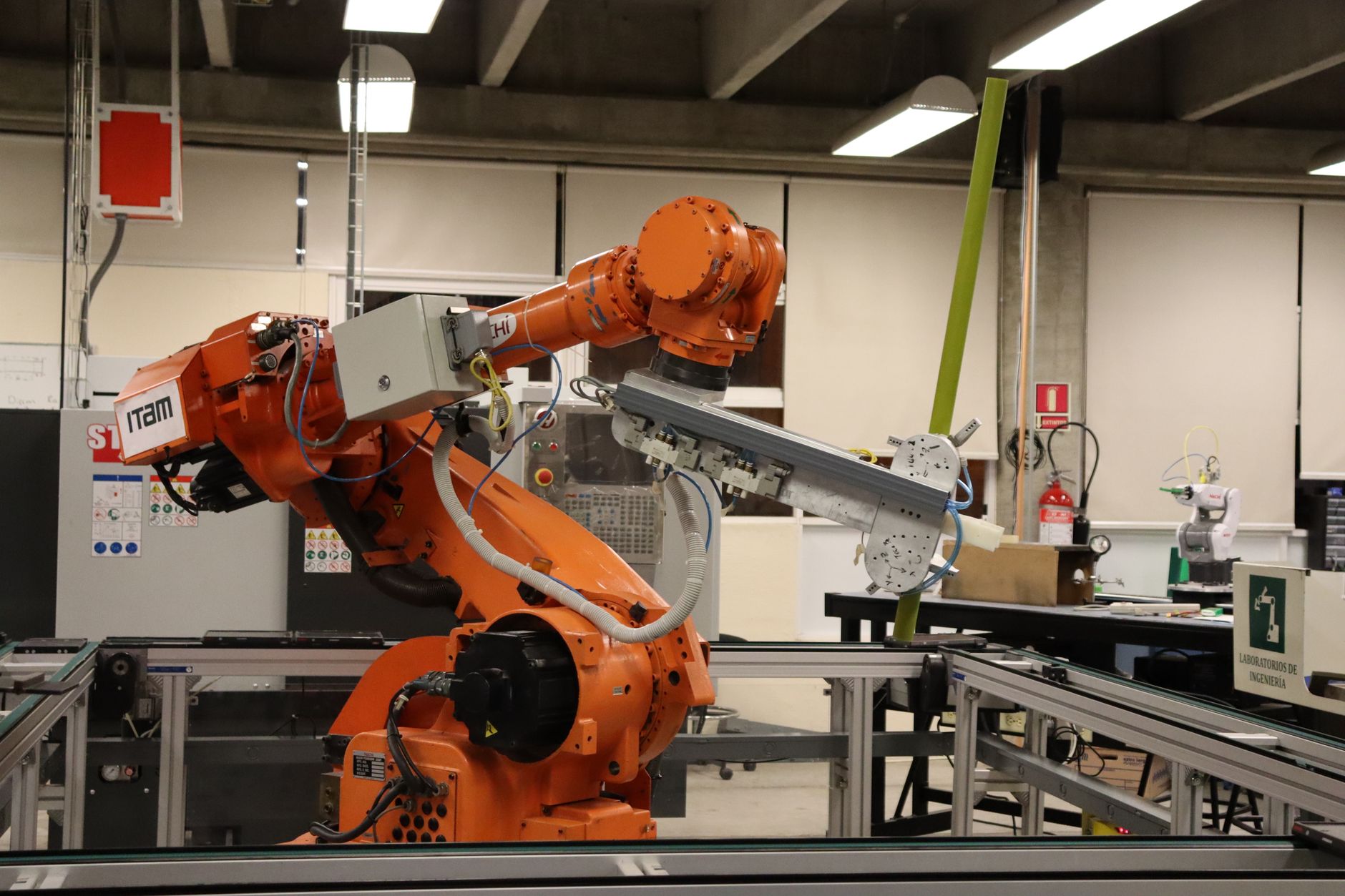
The landscape of robotics technology is rapidly transforming industries across the globe. In 2025, a surge in investment, smart automation, and innovative engineering is fueling a new age of intelligent machines. Companies like Boston Dynamics, iRobot, ABB Robotics, and KUKA are redefining manufacturing, logistics, healthcare, and daily life. Advanced algorithms, collaborative robots, and seamless integration with AI and IoT are not only maximizing efficiency but also raising complex questions around workforce dynamics and safety. As cutting-edge startups and established leaders propel the sector forward, emergent trends such as robotics-as-a-service, precision manipulation, and autonomous mobility set the stage for groundbreaking solutions that solve critical challenges, from labor shortages to preventive safety. This article takes you through the leading-edge innovations shaping the field in 2025, spotlighting the technologies and companies making the biggest impact.
Top Trends Driving Robotics Innovation in 2025
The robotics sector is evolving at breakneck speed, thanks to technological leaps and the drive for smarter automation. Based on analysis of nearly 9,000 global startups and scaleups, 2025 is defined by movements in autonomous systems, cyber-secure robotics, and enhanced human-robot partnerships. Pioneers such as Fanuc, Yaskawa, and NVIDIA Robotics are at the heart of these developments. Key trends include:
- Autonomous Mobile Robots (AMRs): Self-driving robots for seamless material handling in warehouses and last-mile delivery.
- Intelligent Robotics: AI-empowered robots optimizing complex tasks from manufacturing to hospital disinfection.
- Cobots: Collaborative robots that work safely beside humans, boosting productivity and worker protection.
- Robotics as a Service (RaaS): Subscription-based robotics for scalable, cost-effective automation.
- Robotics Cybersecurity: Enhanced malware protection and real-time monitoring to safeguard connected robots.
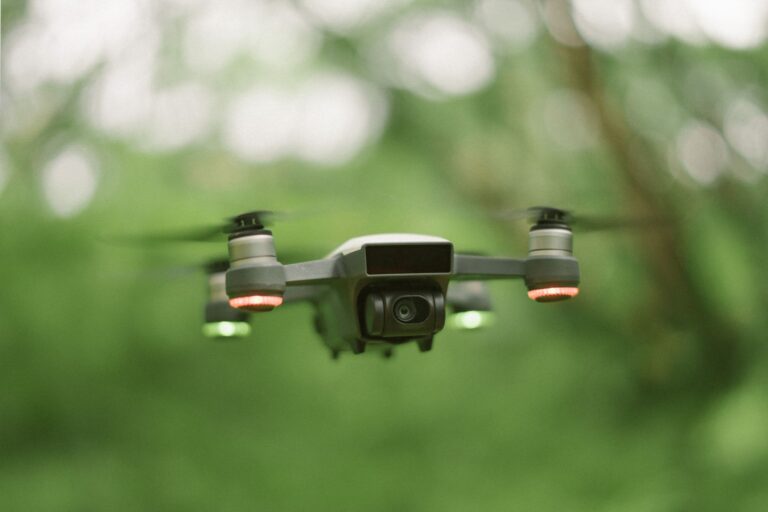
- Drones & AGVs: Versatile solutions for logistics, agriculture, and site inspections.
- Assistive & Humanoid Robots: Machines supporting healthcare, rehabilitation, and social interaction.
Real-World Impact: Autonomous and Intelligent Robotics Solutions
New-era robotics are already transforming work and daily life. For example, OttonomyIO delivers fully autonomous food and retail bots, addressing staffing shortages by enabling contactless transactions. Loop Robots introduces intelligent disinfection units to tackle hospital-acquired infections. Advanced computer vision and AI allow machines to navigate unpredictably busy spaces while minimizing human risk.
- AMRs optimize warehouse inventory and reduce labor-intensive tasks.
- Smart cobots improve assembly and inspection accuracy on production lines.
- Startups leverage AI-driven analytics to boost manufacturing throughput.
From logistics to hospitality, the ripple effect is clear: workers face less hazardous environments, operations scale efficiently, and productivity rises.
Human-Robot Collaboration: Cobots and Modular Robotics
A defining shift in 2025 is the seamless integration of robots and humans in shared environments. Market leaders such as Rethink Robotics and ABB Robotics set new standards for cobots, robots equipped with sensitive sensors, adaptive control, and advanced safety logic. Their adaptability extends to everything from assembly lines to medical suites.
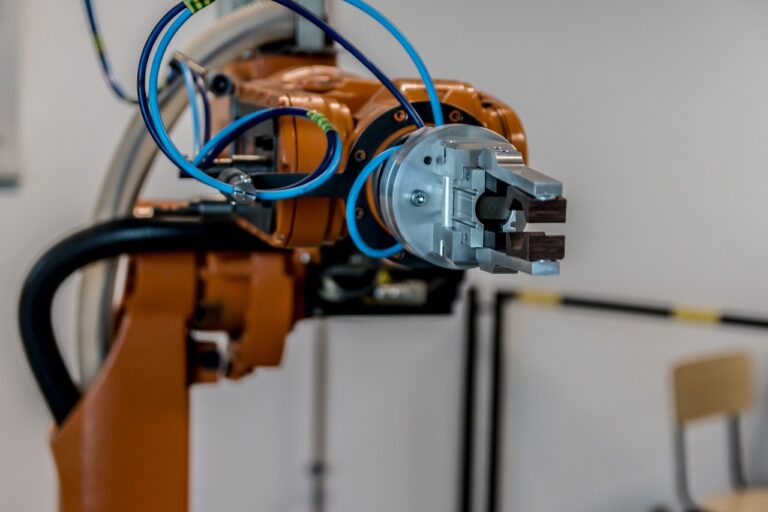
- End-of-arm tooling allows quick reconfiguration for multifaceted production needs.
- AI-powered safety systems reduce the need for protective cages, cutting costs and boosting staff safety.
- Modular designs extend the working lifespan and enable creative deployment in new sectors.
Case Example: Adaptable and Safe Robotic Teams
Rapid Robotics showcases AI-powered cobots that autonomously switch tasks during peak demand. These advancements mean companies can react dynamically to changing market needs. Safetics exemplifies the safety-first approach, using AI to analyze robot-human interactions and certify cobots for sensitive environments, eliminating costly downtime and injuries.
- Patient-safe cobots support surgeons in operating theaters.
- Manufacturers minimize errors by integrating smart robotics quickly, with little disruption.
- Continuous AI monitoring proactively adjusts collaboration protocols for optimal efficiency.
The emergence of modular and adaptive robots signals a future where businesses can customize automation to their precise needs, enhancing agility and reducing costs.
AI, IoT, and Cloud: Powering the New Wave of Robotics
AI-driven robotics is no longer a vision, it’s an essential tool for business growth and competitive advantage. The fusion of machine learning, deep neural networks, and cloud connectivity accelerates performance gains across sectors. NVIDIA Robotics and Tesla Robotics are leveraging high-performance computing and edge AI for smarter, more autonomous robots.
- Real-time data analytics optimize robot movements and predict maintenance needs.
- IoT integration ensures precise machine-to-machine and human-to-robot collaboration.
- Cloud platforms facilitate remote updates, diagnostics, and performance optimization.
Innovation in Action: Cognitive and Connected Systems
SKY POWERLINES offers IoT-powered drones for power line inspections, cutting costs and improving reliability. Marut Drones provides precision agriculture tools built on IoT for remote monitoring and targeted interventions. And with wearable robotics like Verve Motion‘s industrial exosuits, workers benefit from personalized support and injury prevention. These solutions perfectly illustrate how cognitive robotics and smart data integration are reshaping entire industries in real time.
- Predictive maintenance platforms reduce unplanned outages.
- Cloud-updated robots instantly adapt to changing workflows and safety requirements.
- Edge computing allows real-time decisions onsite without lag.
The ever-deepening alliance of AI, IoT, and cloud services unlocks a future where robotics not only adapt, but anticipate, learn, and innovate alongside their human collaborators.
Emergence of Humanoid and Assistive Technologies
Humanoid and assistive robotic innovations are changing expectations in service, healthcare, and domestic environments. Companies like intuitive Surgical, Doozy Robotics, and Fulcra Robotics are driving advances in machines capable of naturalistic interaction and delicate task execution.
- AI-powered platforms tailor communication and response to human emotion and behavior.
- Assistive robots empower those with limited mobility to achieve greater independence.
- Humanoids handle hazardous or repetitive labor, reducing employee exposure to danger.
Transforming Lives: Social Robotics and Wearable Assistance
In the healthcare arena, ORTHOPUS develops robotic exoskeletons for mobility-impaired users, unlocking new levels of autonomy. SafeLift Suit by Verve Motion exemplifies wearable robotics, protecting industrial workers and optimizing strenuous tasks. These breakthroughs highlight the sector’s mission: delivering technology that is both empathetic and empowering.
- Hospitals rely on robots for sterile delivery and monitoring in sensitive wards.
- Caregivers deploy social robots to support elderly or isolated patients.
- Industry giants invest in robotics that adapt continuously to individual user needs.
The fusion of emotional intelligence, dexterity, and cognitive automation ensures that robotics will be not just a tool, but a partner, in enhancing human capability and well-being.
Looking Ahead: The Next Frontier in Robotics Technology
The boundaries of robotics will continue to expand as innovations in Bostons Dynamics machines, flexible AI systems, and sustainable engineering take center stage. Emerging applications range from self-optimizing manufacturing lines to precision surgical robots and agile warehouse fleets. As companies like iRobot, ABB Robotics, and Tesla Robotics push the sector forward, the importance of cybersecurity, modularity, and safe human-robot interfaces is unmatched.
- Predictive safety and autonomous maintenance reduce risk and downtime.
- Energy-efficient designs address sustainability concerns as deployment scales.
- An expanding ecosystem of startups ensures a constant pipeline of disruptive ideas.
With every new discovery and deployment, the robotics landscape of 2025 promises to be more collaborative, adaptive, and transformative than ever before, opening limitless possibilities for industries and individuals alike.