



“Metallic Blossoms Could Save Your Mind”: These Tiny Flowers Are Revolutionizing Brain Disease Treatment with Astonishing Results
 By
Leah Morrison
By
Leah Morrison
| IN A NUTSHELL |
|
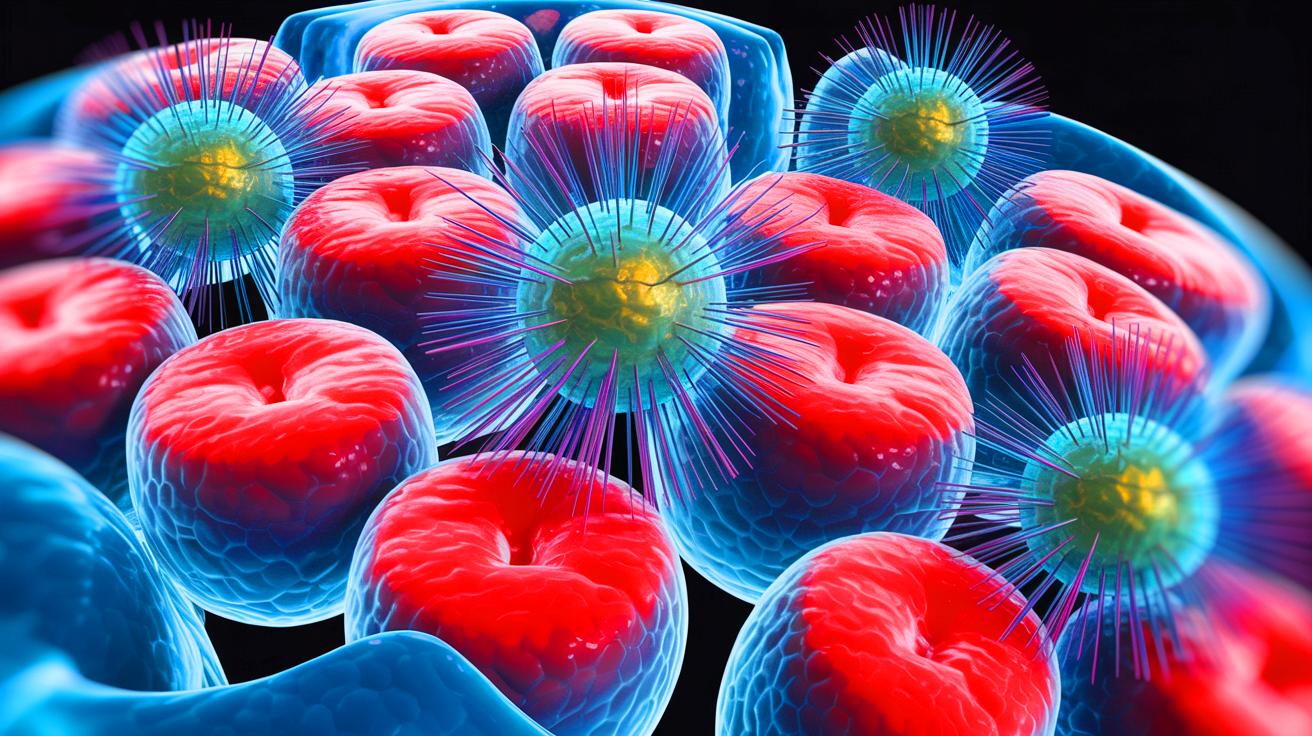
In a groundbreaking advancement, researchers at Texas A&M AgriLife Research have developed microscopic metallic structures that could revolutionize the treatment of neurodegenerative diseases such as Parkinson’s and Alzheimer’s. These nanoflowers, tiny metallic particles engineered at the molecular scale, are designed to heal brain cells from the inside out. By targeting the mitochondria, the cellular powerhouses, these structures aim to address the root cause of neural damage. This innovative approach holds the promise of not just alleviating symptoms but potentially reversing the course of such debilitating conditions.
Nanoflowers: A Molecular Fix for Brain Health
The mitochondria, often called the powerhouse of the cell, play a crucial role in converting food into usable energy. However, this process also produces harmful byproducts known as reactive oxygen species, which can accumulate and cause cellular damage. In their research, the Texas A&M team tested the therapeutic potential of nanoflowers on neurons and astrocytes. After just 24 hours of exposure, these brain cells exhibited improved mitochondrial structure and a marked reduction in oxidative stress.
Dr. Dmitry Kurouski, the lead investigator, highlighted the significance of these findings: “Even in healthy cells, some oxidative stress is expected. But the nanoflowers seem to fine-tune the performance of mitochondria, ultimately bringing the levels of their toxic byproducts down to almost nothing.” The improved mitochondrial health could translate to better overall brain function. By restoring mitochondrial health, researchers hope to address the root cause of neural damage rather than merely treating symptoms.
Worm Model Shows Lifespan Boost
To further validate their findings, the researchers extended their study from isolated cells to live organisms, using the tiny worm Caenorhabditis elegans. This model is commonly employed in neurological research due to its simplicity and short lifespan. Remarkably, worms treated with nanoflowers not only lived several days longer than their untreated counterparts but also displayed lower mortality rates early in life.
These results bolster the potential of nanoflowers as neuroprotective agents. Encouraged by these findings, the research team plans to conduct further tests to evaluate the safety and efficacy of nanoflowers in more complex animal models. These steps are crucial before any potential human trials. “We think this could become a new class of therapeutics,” said Kurouski. “We want to ensure it’s safe, effective, and has a clear mechanism of action. But based on what we’ve seen so far, there’s incredible potential in nanoflowers.”
Potential Impact on Neurotherapeutics
Despite decades of research, effective drugs that protect neurons from degeneration remain scarce. Most current treatments focus on symptom management rather than stopping disease progression. This new approach could flip that script. The team at Texas A&M has filed a patent application for the use of nanoflowers in brain health treatments, signaling a significant step toward practical applications.
Collaborations with the Texas A&M College of Medicine are planned to explore further applications, including the recovery from stroke and spinal cord injuries. The study, published in the Journal of Biological Chemistry, highlights the potential of nanoflowers to pave the way for a new era in neurotherapeutics. As these developments unfold, they could redefine how we approach the treatment of neurodegenerative diseases.
Looking Ahead: The Future of Brain Health
The research on nanoflowers is still in its early stages, but the implications are profound. By offering a method to heal brain cells from within, these microscopic structures could change the landscape of treatments for brain-related ailments. As the research progresses, the focus will be on ensuring the safety and effectiveness of nanoflowers in more complex biological systems, potentially leading to clinical trials in humans.
As we stand on the cusp of this scientific breakthrough, one cannot help but wonder: How will these innovations reshape our understanding of brain health and disease treatment in the years to come? Will nanoflowers become the cornerstone of future neurotherapeutic approaches, transforming lives worldwide?