

Innovative applications of robotics in healthcare
 By
Leah Morrison
By
Leah Morrison
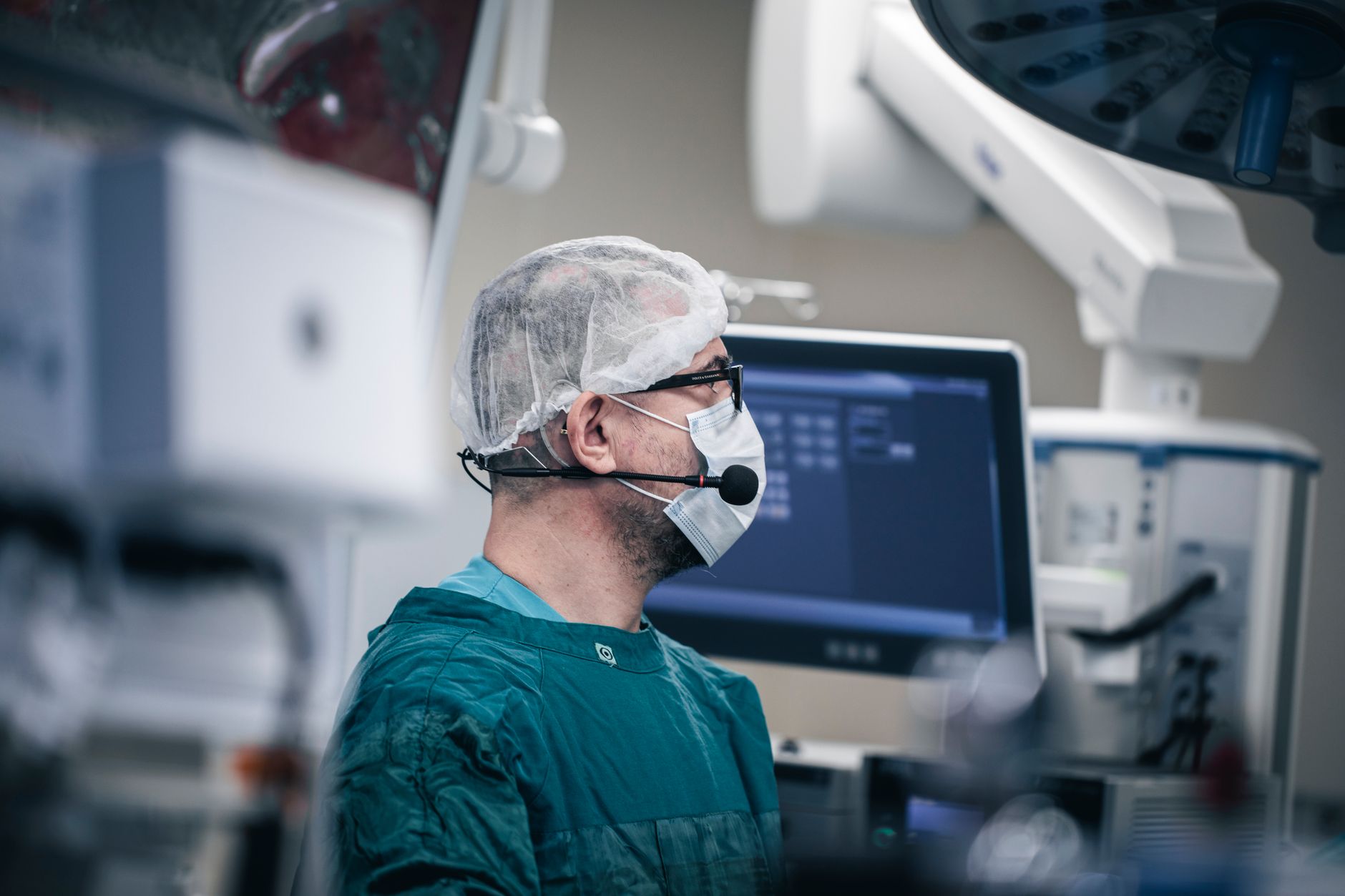
In the fast-evolving world of modern medicine, robotics stands at the intersection of technology and compassion, driving a transformation that touches every stage of patient care. Hospitals worldwide are now adopting innovative robotics solutions, leading to significant leaps in precision, patient safety, and operational efficiency. From the deft arms of a surgical robot to the tireless work of autonomous service machines, these systems empower medical teams and reshape expectations for healthcare outcomes. As 2025 approaches, a new wave of robotics, developed by pioneers like Intuitive Surgical, Medtronic, and Stryker Corporation, heralds a future where healthcare is redefined by automation, accuracy, and empathy.
How Robotics Is Transforming Patient Care in Healthcare Facilities
Healthcare robotics is no longer futuristic fiction. Today, intelligent machines serve side-by-side with professionals across hospitals and clinics, performing tasks once unimaginable for robots. The aim? Enhanced quality and accessibility of care, achieved through reduced human error and optimized workflows. Companies such as Boston Dynamics and CureMate Robotics deliver cutting-edge solutions that automate routine processes while focusing attention where it matters most, on those who heal.
- Robotic medication dispensers guarantee near-perfect accuracy in dosage and timing, virtually eliminating common prescription errors.
- Autonomous hospital logistics robots manage supply chains and lab sample transport, increasing staff productivity.
- Interactive reception robots streamline check-ins, creating a welcoming, efficient first contact for patients.
This symbiosis between humans and robots is ushering in a new era where compassion is augmented by technology, setting the stage for dramatic improvements in patient experience and health outcomes.
Role of Robotics in Minimizing Risks and Enhancing Precision
Leading manufacturers such as Intuitive Surgical and Vicarious Surgical lead the charge with Robot Surgical Systems designed to reduce the margin for human error during interventions. These devices provide surgeons with enhanced visualization and fine motor control, resulting in safer, more consistent results.
- Minimally invasive surgery: Smaller incisions lead to less scarring and faster recovery times.
- Improved ergonomics for physicians: Robotic consoles lessen surgeon fatigue during lengthy procedures.
- Integrated real-time data: Surgical robots can analyze and display critical metrics instantaneously, aiding clinical decisions.
These advances make complex surgeries more accessible and less daunting for patients and practitioners alike, defining a new gold standard in medical care.
Pioneering Examples of Robotics in Modern Healthcare
The applications of robotics run deep, with startups like Cyberdyne and stalwarts like Medtronic unveiling revolutionary products every year. Here are five standout areas where robotics is actively shaping the future of medicine:
- Surgical Assistance: The Da Vinci system and similar offerings give surgeons precision that far surpasses the human hand, allowing for high-stakes operations with confidence.
- Rehabilitation Robotics: Hannover Medical Robotics and CureMate Robotics are driving patient recovery with exoskeletons and therapy robots tailored to individual needs.
- Pharmacy Automation: Automated dispensing from Stryker Corporation robots ensures every dose meets exact specifications, reducing wait times and human error.
- Diagnostic Robotics: Advanced imaging and sampling systems improve diagnostic accuracy, often employing artificial intelligence to detect conditions earlier.
- Sanitation Robots: Boston Dynamics deploys robots that keep healthcare environments sterile, minimizing hospital-acquired infections.
Each innovation sets a new precedent for efficiency, safety, and patient-centric care, strengthening the foundation for the medicine of tomorrow.
Expanding Access and Streamlining Patient Interactions with Robotics
Beyond operating rooms, Autonomous Healthcare Robotics and other platforms bridge distance and time, bringing clinical expertise to remote regions through telemedicine and robotic second-opinion solutions. Interactive robots help triage patients, provide visit updates, and even offer emotional support, ensuring that care is both accessible and personal.
- Second-opinion platforms: Connect patients with global medical experts, accelerating critical decision-making.
- Telepresence robots: Enable virtual rounds and bedside consults, strengthening continuity of care.
- Patient support bots: Engage with patients in several languages, ensuring no one feels isolated, especially in high-stress hospital settings.
These tools amplify human reach and empathy, making a tangible difference from the busiest urban clinics to the most remote healthcare outposts.
The Future of Innovative Robotics in Healthcare: Beyond 2025
Looking forward, the capabilities of robotics in healthcare are set to expand dramatically. With increasing integration of AI, seamless cloud connectivity, and enhanced mobility, next-generation robots from firms like Vicarious Surgical and Hannover Medical Robotics promise even greater advancements in patient care and medical training.
- AI-driven diagnostics will identify health issues before symptoms appear, enabling preemptive care.
- Personalized rehabilitation robots will support home-based recovery, improving outcomes for aging populations.
- Collaborative robot teams will handle crises, disaster response, and routine care in tandem with human professionals.
The horizon is bright: as robotic systems assume more complex, compassionate, and essential roles, expect a future in which healthcare blends the best of human expertise and technological innovation for healthier, safer lives worldwide.