

What to expect from robotics in the next decade
 By
Leah Morrison
By
Leah Morrison
By 2025, robotics is no longer confined to industrial assembly lines or lab showcases, the technology is infiltrating every stratum of daily life and business. Surging advances in artificial intelligence, automation, and digital simulation are accelerating an era where machines not only serve as tools but as adaptive partners in everything from warehouse logistics to the delivery of precision healthcare. As pioneers such as Boston Dynamics, ABB Robotics, Fanuc, and SoftBank Robotics redefine what robots can accomplish, industries are recalibrating their expectations. Market trajectories are astonishing: projections estimate robotics will reach $218 billion by 2030, reshaping workforces and spawning millions of new, specialized roles. Stakeholders ranging from NVIDIA to Tesla Robotics are driving a new narrative, blending sustainability, flexibility, and collaboration. This transformation is set to revolutionize how societies operate, raise thought-provoking ethical considerations, and make robots an indispensable presence in our rapidly evolving world.
AI-Powered Robotics: Redefining Industry and Efficiency
Artificial intelligence is sweeping through robotics, ushering in a phase of self-learning machines capable of adapting to dynamic and unpredictable situations. Markets are anticipated to expand with a 29.4% CAGR, propelled by the intelligence embedded in modern robots.
- Ocado deploys AI-driven logistics robots that optimize warehouse routing on the fly.
- Siemens’ SIMATIC Robot Pick AI demonstrates the impact of virtual simulation training on real-world adaptability.
- Amazon leads with inventory systems where robots continuously refine operations through environmental feedback.
These case studies signify a departure from rigid programming, replacing it with smart robotics that respond to unpredictable variables. By 2025, industries leveraging AI-powered robots could see productivity improvements reach up to 30%. This leap sets the stage for a future where adaptation, learning, and autonomy become standard robotic features, not exceptions.
Top Companies Pioneering AI Robotics in 2025
Several global leaders illustrate the spectrum of these innovations:
- Boston Dynamics: Renowned for agile, mobile robots that learn and adapt in real-time.
- NVIDIA: Provides AI computing platforms powering smart robotics worldwide.
- UiPath: Excels in automating repetitive business tasks through intelligent process automation.
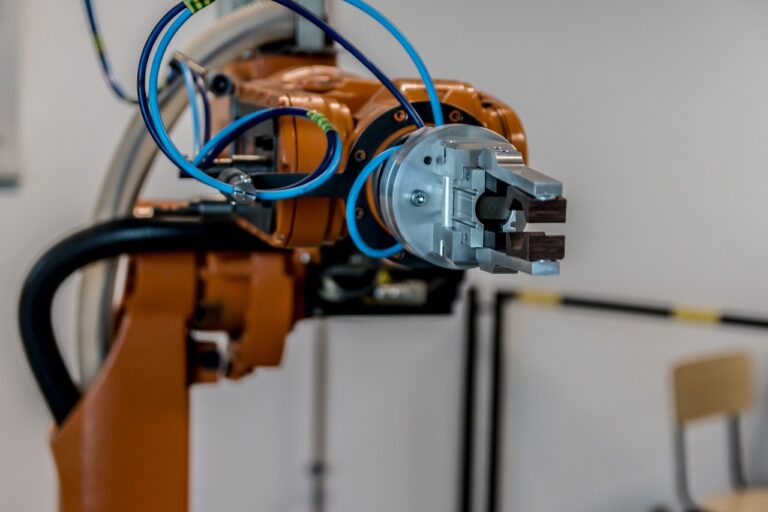
- KUKA and Fanuc: Advancing AI-driven manufacturing lines across multiple industries.
Thanks to these technological leaps, robots are becoming agile collaborators, not just automated arms. This synergy between AI and robotics augurs a future marked by unprecedented industrial flexibility.
Collaborative Robots: Human-Robot Partnerships and Workplace Transformation
The rise of collaborative robots, or cobots, represents a paradigm shift. Projected to account for 35% of all robot sales by 2027, cobots are built to work side by side with human teammates without the need for cages or barriers.
- Universal Robots: Makes cobots accessible via no-code programming and force-limiting safety features.
- Cobots’ modularity, seen in Robotnik’s RB-THERON, enables reconfiguration for diverse workplace needs.
- SMEs implementing cobots have reported 20-30% reductions in labor costs while maintaining quality.
This trend democratizes automation, opening up opportunities for small and medium enterprises to compete on a global scale. The economic case is clear: cobots cost a fraction of traditional industrial robots (averaging $50,000, $80,000), yet pack machine learning-enabled flexibility that bridges efficiency with safety.
Expanding Applications: Beyond the Factory Floor
Human-cobot collaboration is now a reality in areas such as:
- Healthcare, with robots providing assistance in operating rooms and logistics.
- Hospitality, where robots from SoftBank Robotics assist guests and streamline services.
- Security, highlighted by Cobalt Robotics deploying autonomous robots for smart surveillance.
Thanks to cobots’ accessible design and adaptability, a broader workforce is benefiting, encouraging a shift toward jobs focused on programming and oversight rather than repetitive manual labor.
Digital Twins and Simulation: Transforming Robotics Development
Digital twin technology, which enables virtual versions of robots and their environments, is rapidly becoming a game-changer. The sector is seeing rapid adoption, with a projected 61.3% CAGR through 2028.
- BMW uses digital twins to simulate assembly lines, slashing prototyping costs by 40%.
- Siemens and Sony integrate AR/VR for real-time troubleshooting and system design.
- Digital twins permit stress-testing of robots in environments too hazardous for physical experiments.
This virtual-first approach enables faster troubleshooting, reduces commissioning times, and fosters continual improvement, a major leap toward scalable, sustainable robotics deployment.
Benefits Driving Industry Adoption
Companies leveraging digital twins are seeing:
- 30% faster troubleshooting
- Commissioning reduced from 12 months to as little as 2, 4 months
- Enhanced ability to validate designs under impossible or risky scenarios
Such efficiency gains are setting new benchmarks for the robotics industry, empowering faster innovation cycles and mitigating deployment risks.
Autonomous Mobile Robots and Delivery Drones: Logistics Reinvented
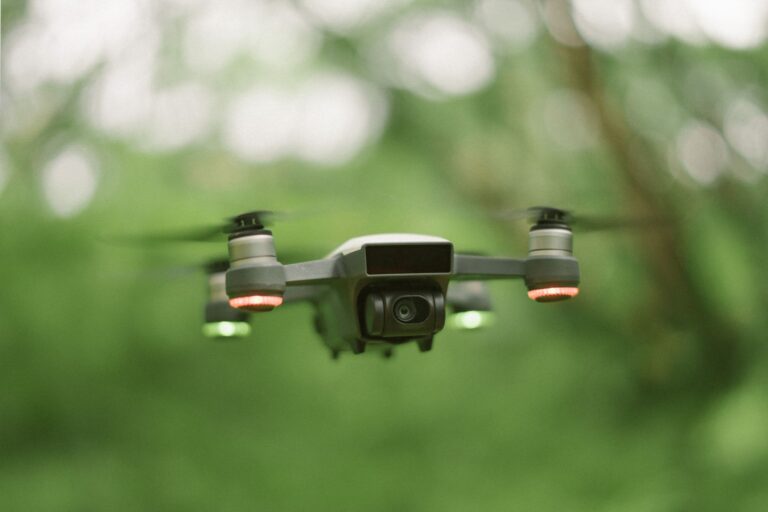
By 2030, Autonomous Mobile Robots (AMRs) are set to handle 25% of last-mile deliveries, introducing a revolution in transport and supply chain networks.
- Fetch Robotics’ Freight 1500: Utilizes AI and LIDAR to achieve 90% fewer collisions than older models.
- John Deere See & Spray: Applies AI to reduce herbicide use by 80%, cutting costs and environmental impact.
- Retailers like Walmart are accelerating deployment with automated storage and pick-up systems.
Applications extend beyond warehouses: agriculture, medicine, and urban logistics all benefit, though regulation is lagging in some sectors. Regulatory hurdles, particularly in healthcare, illustrate the need for harmonized guidelines as robotics becomes central to critical services.
Challenges and Opportunities in AMR Integration
Key considerations in scaling AMR solutions include:
- Infrastructure adaptation to accommodate autonomous fleets
- Developing AI systems resilient to varying real-world environments
- Legal frameworks ensuring safety and accountability
As these hurdles are surmounted, a future where autonomous delivery is routine is moving swiftly from concept to reality.
Service, Humanoid, and Healthcare Robots: Expanding the Frontiers of Assistance
Service robots are on course to surpass industrial robots in sales, projecting a $170 billion market by 2030. Humanoid and specialized robots are tackling physical, cognitive, and emotional challenges across sectors.
- Tesla Robotics’ Optimus pilots in automotive manufacturing and warehousing operations.
- Agility Robotics’ Digit extends humanoid capabilities from factories to logistics.
- PARO, a therapeutic robot, reduces patient anxiety by 35% in clinical trials.
Innovations are moving from the lab to real-world assignments, including disaster response (Fukushima’s robot deployments), and hospital logistics, where Intuitive Surgical’s robots have now performed over 12 million procedures, reducing recovery time by 30%.
Cost, Accessibility, and Human Value
Obstacles remain, general-purpose humanoids cost around $250,000, limiting mainstream adoption for now. However, task-specific robots from companies like ABB Robotics and iRobot are rapidly becoming integral to daily operations in sectors ranging from health to hospitality.
- Affordable robotic arms, such as EndoCure’s imaging solutions, are democratizing access for smaller clinics.
- Robotic assistants now range from hospital delivery bots to personal home helpers for child or pet care.
This acceleration in accessibility signals a future where robots are not simply replacements but strategic partners in human well-being.
Sustainable and Ethical Robotics: Greener, Smarter Solutions
The next decade will see robotics and sustainability become inseparable. ABB is at the forefront, developing robots with recyclable aluminum alloys, decreasing carbon footprints by 15%. Energy-efficient designs are now a key metric; Boston Dynamics’ Spot robot consumes 20% less power than previous versions.
- Automation in EV battery and solar panel production now reduces material waste by 25%.
- Tesla Gigafactories exemplify zero-waste robotic assembly lines for sustainable manufacturing.
- New regulatory benchmarks, such as the EU’s Circular Economy Action Plan, are driving eco-design in robotics hardware.
Ethical imperatives, job displacement, data security, and AI fairness, are converging with environmental concerns, challenging engineers and policymakers to set standards for responsible, beneficial robotics at scale.
The Road Ahead: Workforce, Economy, and Ethics
The robotics revolution will cause upheaval and opportunity in employment: while 20 million manufacturing posts may disappear by 2030, 12 million new positions will emerge in oversight, maintenance, and robot programming. Strategic workforce programs, such as Germany’s Industry 4.0 training, show promise in bridging the skills gap.
- Asia-Pacific, especially China, is leading robotics expansion, with a $7.24 billion AI-powered sector.
- Open-source tools like ROS 2 are cutting development costs for emerging robotics startups by 40%.
- Societal adaptation and regulatory clarity remain the keys to impactful, inclusive growth.
The coming decade demands proactive leadership and global dialogue to direct robotics toward shared prosperity and enduring innovation.