



“An Ancient Mystery Unveiled”: Stunned Scientists Race to Unravel the Secrets of a Newfound Artifact in Egypt
 By
Leah Morrison
By
Leah Morrison
| IN A NUTSHELL |
|
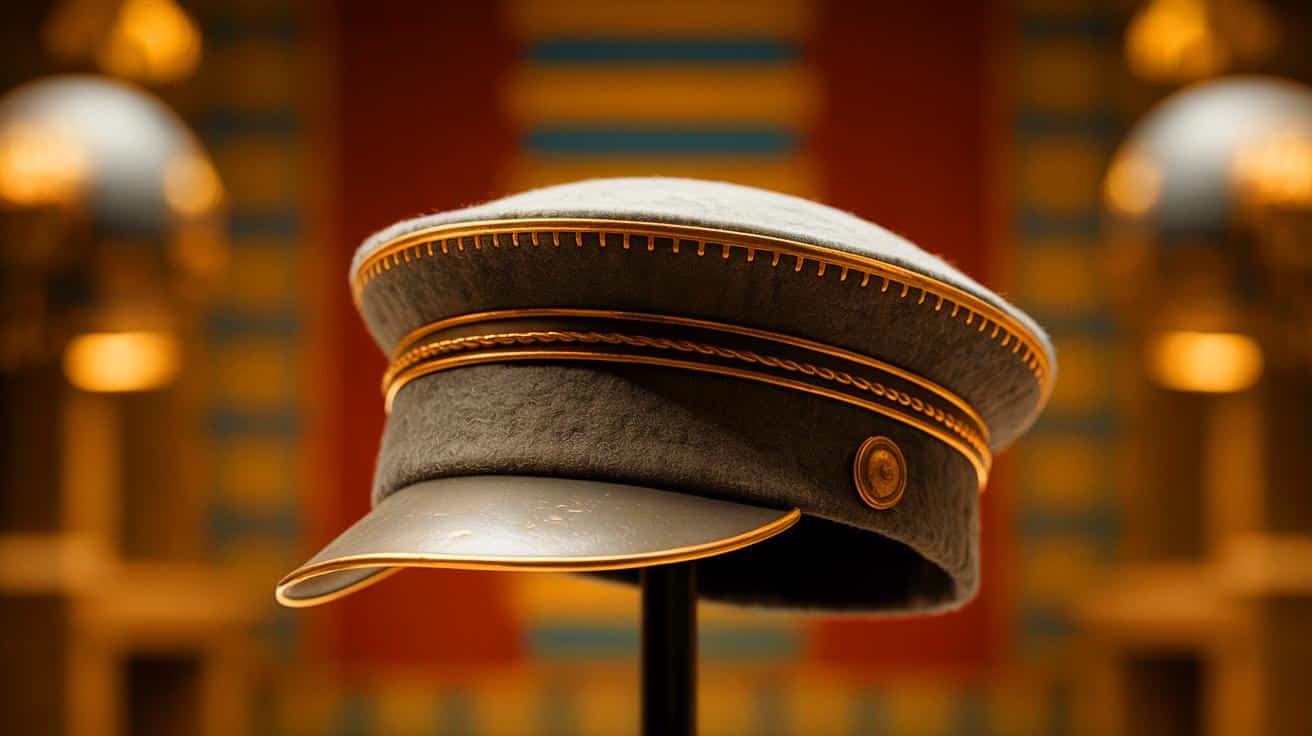
In the dusty archives of the Bolton Museum, a remarkable piece of Roman military history lay unnoticed for more than a century. This rare Roman soldier’s cap, dating back to approximately 200 A.D., was recently restored and unveiled to the public. Crafted from wool felt, this unique headgear was designed to protect Roman soldiers from the harsh desert conditions of ancient Egypt. Its discovery and restoration not only highlight the adaptive strategies of Roman military equipment but also shed light on the intricate processes involved in preserving such artifacts. As this relic takes its place in the museum, it offers a fresh perspective on both historical military adaptations and modern conservation efforts.
A Rediscovered Military Treasure
The Roman cap, discovered in Egypt, lay forgotten in the Bolton Museum’s reserves for over a hundred years. Unlike the metallic helmets typically associated with Roman soldiers, this cap was made from wool felt. It featured a high crown and a wide, flexible brim, reminiscent of the Greek petasos, but adapted for desert conditions. The cap’s lightweight, filtering material exemplified the Roman army’s strategic adaptation to local environments. This headpiece was not merely a secondary accessory; it was essential for protection against the oppressive sun and sandstorms in newly conquered territories. The museum’s team emphasized that this cap symbolized the Roman military’s strategic ingenuity and ability to modify gear based on environmental challenges.
This discovery serves as a reminder of the Roman army’s dynamic approach to warfare and survival. It underscores how soldiers had to be resourceful and versatile, altering their equipment to suit the diverse and often harsh conditions they encountered across the expansive Roman Empire. The cap’s design illustrates the Romans’ understanding of the need for specialized gear to maintain their military effectiveness in varied climates.
Precision Textile Restoration
The cap was originally donated to the museum in 1911 by the noted Egyptologist Sir William Matthew Flinders Petrie. When experts rediscovered it, the cap was flattened, riddled with holes, and weakened by time and moths. Thanks to private funding from Ritherdon & Co. Ltd., textile conservator Jacqui Hyman undertook its restoration. She began with a detailed diagnostic assessment, reinforcing damaged sections with hand-dyed fabrics to match the original texture and color. Hyman then carefully restored the cap’s three-dimensional shape, preserving its historical appearance. Now, the cap can be safely displayed and studied, exemplifying the crucial role of artisanal expertise in heritage conservation.
This meticulous restoration process highlights the importance of combining historical knowledge with modern techniques to preserve such artifacts. The work done by Hyman and her team ensures that the cap can be appreciated by future generations, both as a piece of historical significance and as an example of conservation excellence. The project also underscores the importance of collaboration between museums and private entities in funding and supporting the preservation of cultural heritage.
A Window into Roman Military History
This rare headpiece is more than an archaeological artifact; it is a testament to the Roman military’s adaptability in the post-Cleopatra era of Egypt. This period was marked by political upheavals and logistical challenges. The cap also reflects the pioneering work of Petrie, who valued everyday objects at a time when archaeology often focused on more spectacular finds. Today, the cap enriches Bolton’s extensive Egyptian collection, which includes 12,000 pieces. Its rediscovery prompts a reevaluation of so-called “minor” objects within museum collections, illustrating their potential to transform our understanding of history.
The cap’s story invites a broader reflection on how historical narratives are shaped. By reconsidering the significance of everyday items, historians and archaeologists can gain a more comprehensive view of past societies. This approach encourages a deeper appreciation of the interconnectedness of daily life and broader historical events, offering new insights into the complexities of life in ancient times.
The Broader Impact on Museums and Archaeology
The unveiling of this Roman cap not only enhances Bolton Museum’s collection but also emphasizes the evolving role of museums in preserving and interpreting history. It challenges the traditional focus on grand narratives and instead highlights the importance of mundane artifacts in understanding historical contexts. This shift reflects a broader trend in archaeology and museology, where the stories of everyday objects are increasingly valued for their ability to provide insights into the lives of ordinary people in ancient civilizations. Such artifacts encourage museums to explore diverse narratives and engage audiences in new ways.
As museums continue to evolve, the emphasis on inclusive storytelling and diverse perspectives becomes more important. The rediscovery and display of objects like the Roman cap encourage a more nuanced understanding of history, prompting both scholars and the public to consider the multifaceted nature of past societies. What other overlooked artifacts might hold the key to unlocking new historical insights and narratives?