

DNA Holds Earth’s Greatest Secret: “Unlocking Hibernation Will Cure Millions,” Declares Leading Geneticist
 By
Ethan Reid
By
Ethan Reid
| IN A NUTSHELL |
|
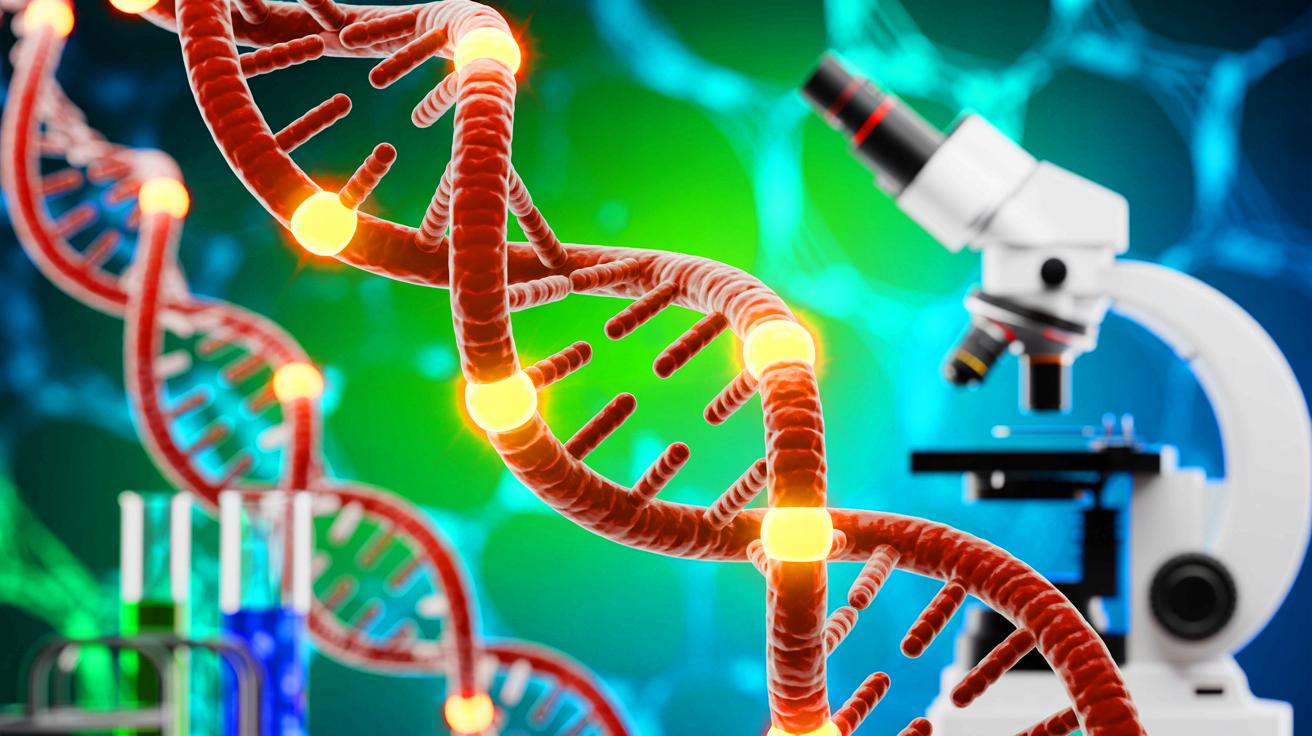
In a groundbreaking study, researchers have discovered that our DNA contains dormant genetic switches akin to those enabling hibernation in certain mammals. This finding could revolutionize medicine, potentially offering new treatments for chronic conditions. Elliott Ferris and his team at the University of Utah have identified over 10,000 sequences in the human genome that resemble those controlling hibernation. These sequences, if activated, could unlock new ways to tackle metabolic and neurodegenerative diseases. The implications of this research extend beyond mere curiosity, posing significant questions about our evolutionary past and medical future.
Unlocking Genetic Potential: The Role of DNA Sequences
The research led by Elliott Ferris, published in the journal Science, sheds light on a fascinating aspect of human DNA. The team identified 10,251 short sequences within our genome that are similar to those found in hibernating mammals. These sequences function as genetic switches, capable of activating or deactivating specific metabolic functions. This study suggests that the absence of hibernation in humans is not due to a lack of appropriate genes but rather due to the inactivity of regulatory sequences. By learning to control these sequences, researchers believe it could be possible to combat conditions like type 2 diabetes, obesity, and neurodegenerative diseases.
To explore this potential, Ferris’s team studied mice subjected to a state of torpor induced by fasting. Once the mice were warmed and fed again, researchers observed a partial hibernation-like slowdown in metabolism and body temperature. This approach allowed the team to investigate the genetic mechanisms at play, offering a glimpse into how similar processes might be manipulated in humans.
Exploring the Impact of Torpor on Metabolism and Neuroprotection
In their experiments, researchers monitored gene activation in mice before, during, and after torpor. They found that certain genomic regions, present in most mammals for over 100 million years, had evolved rapidly in hibernating species. These areas influence insulin resistance, fat management, and even neuronal protection. During torpor, significant changes occur in the hypothalamus, the brain region responsible for regulating metabolism, temperature, and feeding.
Moreover, the study revealed that neurodegeneration processes halted during torpor. These effects were even more pronounced during the refeeding phase when the animals regained an active metabolism. This discovery suggests that activating similar genetic pathways in humans could potentially protect the brain and other vital systems, offering new avenues for treating age-related and neurodegenerative conditions.
Potential Applications for Diabetes, Obesity, and Alzheimer’s
The 10,000 sequences identified in humans target genes associated with adiposity, insulin resistance, and diseases like Alzheimer’s and muscular atrophy. Activating these sequences could endow humans with the metabolic superpowers of hibernating animals. For instance, a person with diabetes might experience a metabolic reset similar to an awakening bear, emerging from hibernation unscathed. Similarly, slowing down certain bodily functions might protect the brain and limit cellular aging.
However, this approach demands extreme precision to avoid severe side effects. Developing targeted treatments will require years of research and numerous clinical trials. The potential to transform medical practices is immense, but so are the challenges inherent in manipulating such fundamental biological processes.
Reviving Ancestral Abilities for Future Medical Breakthroughs
This discovery presents an intriguing prospect: our bodies may harbor lost capabilities from evolutionary history. Reactivating these abilities could alter our approach to disease and aging. As Ferris aptly summarizes, “We may always have had the keys to cure certain diseases… we just need to learn how to turn them.” This research invites us to reconsider the potential locked within our DNA and challenges us to harness it responsibly.
The revelation that ancient genetic mechanisms could be tapped for modern medical use is both thrilling and daunting. What other secrets might our DNA hold, waiting to be discovered and utilized for the betterment of human health?