
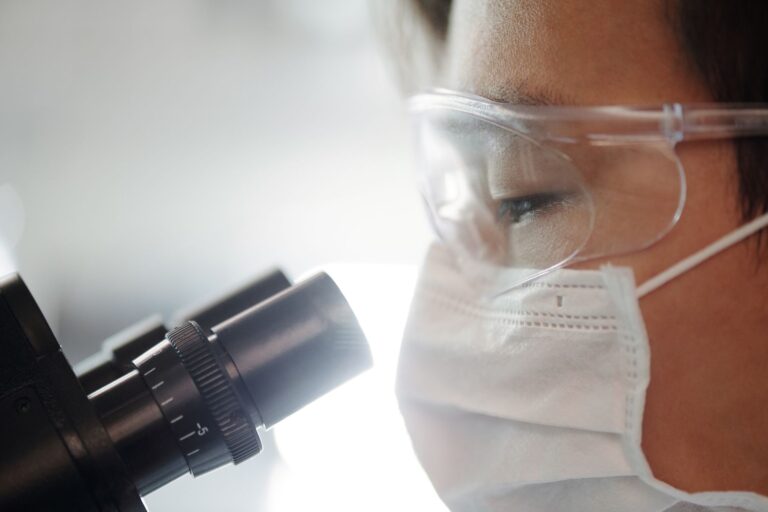


Revolutionary Gel Technology Slashes Drug Release by 20 Times, Triggering Breakthroughs in Long-Term Treatment Solutions
 By
Ethan Reid
By
Ethan Reid
| IN A NUTSHELL |
|
The constant evolution of medical technology continues to offer promising solutions to longstanding challenges in healthcare. Researchers at Rice University have developed a new drug delivery platform, known as SABER, that aims to revolutionize how medications are administered. This innovative system, a peptide hydrogel, promises extended drug release, potentially transforming treatment regimens for conditions like tuberculosis and diabetes. By slowing down the release of drugs, SABER not only enhances the efficacy of treatments but also reduces the frequency of doses, addressing significant issues in patient compliance and healthcare costs.
Breakthrough Results in Animal Testing
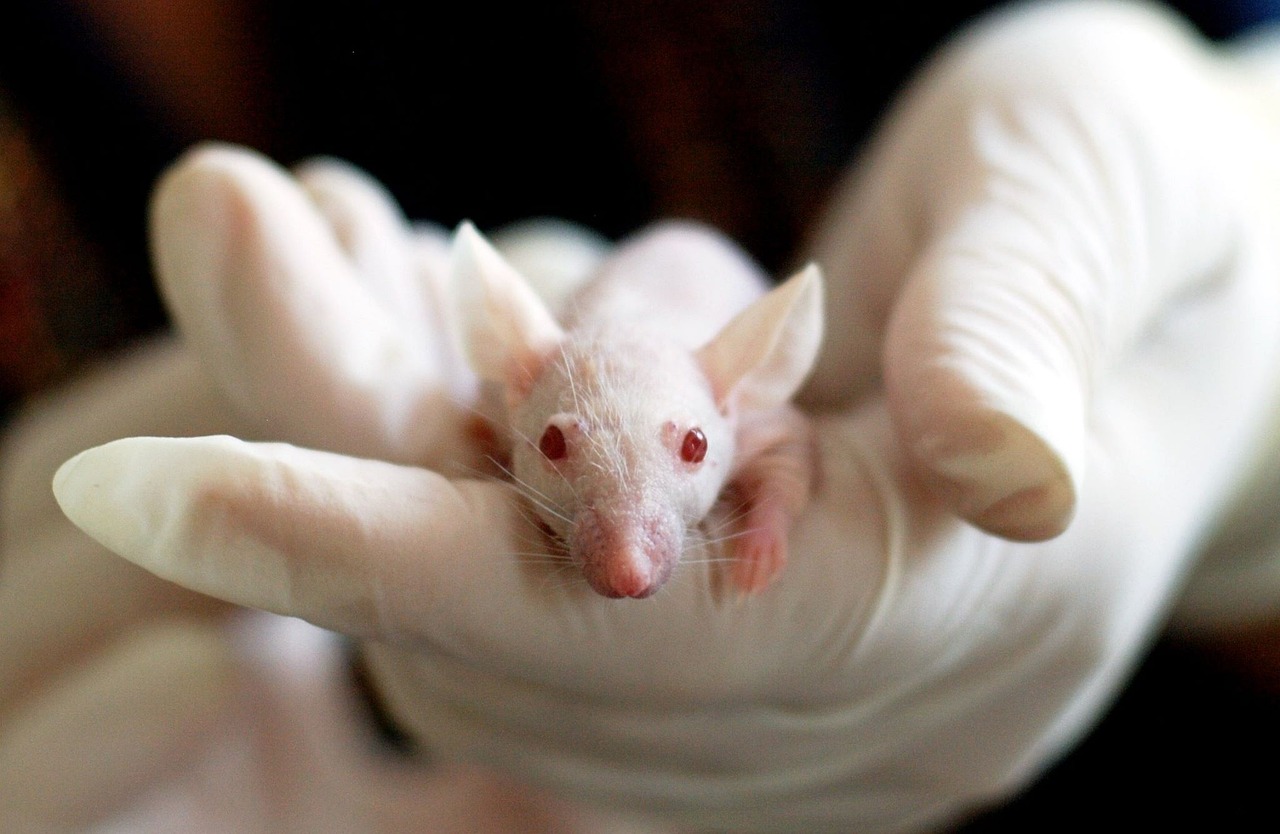
The SABER platform has demonstrated remarkable outcomes in preclinical trials, particularly in animal models. In one notable experiment, a tuberculosis drug encapsulated within the SABER hydrogel significantly outperformed the standard daily oral dosing when administered as a single injection. This result suggests a potential decrease in the frequency of doses required for effective treatment, which could be particularly beneficial for patients with limited access to healthcare facilities or those who struggle with adherence to complex medication schedules.
Another promising trial involved loading insulin into the hydrogel, which successfully controlled blood sugar levels in diabetic mice for up to six days. In stark contrast, conventional insulin injections generally last a mere four hours. This prolonged effect could mean fewer injections for diabetic patients, significantly improving their quality of life. The hydrogel’s construction from amino acids allows it to dissolve safely in the body, forming a temporary nodule under the skin that gradually disappears without producing toxic byproducts.
Cybersecurity regulations and compliance requirements in 2025
Collaborative Efforts Drive Innovation
The development of the SABER system highlights the power of collaboration in scientific research. Brett Pogostin, a Rice University doctoral alum, spearheaded the project, drawing upon his background in self-assembling peptides. Working alongside chemists and bioengineers, Pogostin and his team merged chemistry with biomedical engineering to create the SABER platform. The concept originated from a lecture on dynamic covalent bonds, commonly used in glucose sensors, which Pogostin realized could also be applied to create “sticky” hydrogels.
The team encountered several challenges along the way, particularly in chemical synthesis, but perseverance and teamwork led to a breakthrough. A simple heating step resolved significant issues, showcasing how interdisciplinary collaboration can overcome complex scientific hurdles. Partnerships with experts, including collaborations with Johns Hopkins University for tuberculosis testing, were pivotal in advancing the research.
Future Applications and Developments
The SABER system is just the beginning of what could be a new generation of drug delivery methods. Researchers are already working on refining the platform, exploring its potential in protein delivery, and applications involving antibodies, hormones, and enzymes. Brett Pogostin, now a postdoctoral fellow at MIT, is focusing on cancer prevention, aiming to leverage materials that prime the immune system to combat cancer cells before they can proliferate.
This work is supported by major funding bodies, including the National Science Foundation and the National Institutes of Health, underscoring the importance of interdisciplinary science in bridging laboratory innovations with practical, real-world medical applications. As researchers continue to refine the SABER system, the potential benefits for patients, including fewer doses and improved therapeutic outcomes, become increasingly tangible.
Implications for Healthcare and Patient Compliance
The implications of the SABER platform for healthcare are profound, particularly concerning patient compliance. Missed medication doses currently account for a significant percentage of hospitalizations and healthcare costs in the United States. By extending the duration of drug effectiveness, SABER could reduce the burden on patients to adhere to strict dosing schedules, ultimately leading to better health outcomes and reduced healthcare expenses.
Moreover, the simplicity and safety of the hydrogel system make it accessible to a broader range of patients, including those in areas with limited healthcare access. The ability to control the timing and location of drug release also holds promise for therapies that require precision, such as cancer immunotherapy. As the SABER system continues to evolve, it raises important questions about how such innovations could reshape the future landscape of medical treatment and patient care.
As researchers continue to explore and expand the applications of the SABER platform, the potential benefits for both patients and the healthcare system become increasingly clear. With extended drug release and simplified dosing regimens, could this innovative technology redefine our approach to treatment and patient adherence in the years to come?