


Scientists Uncover “A Geological Miracle” Buried for 500 Million Years in the Grand Canyon and It Changes Everything We Know
 By
Leah Morrison
By
Leah Morrison
| IN A NUTSHELL |
|
In the heart of the Grand Canyon, researchers have uncovered ancient marine life forms that have been hidden for 500 million years. These findings reveal a level of evolutionary sophistication that was previously unimaginable. The Grand Canyon, known today for its stunning arid landscape, was once a thriving tropical sea. This discovery has provided scientists with a unique window into a world where evolution took bold and significant strides. The complexity of these ancient organisms challenges our understanding of life’s progression on Earth, suggesting that advanced biological functions existed far earlier than previously thought.
The Tropical Sea That Fostered Evolutionary Innovation
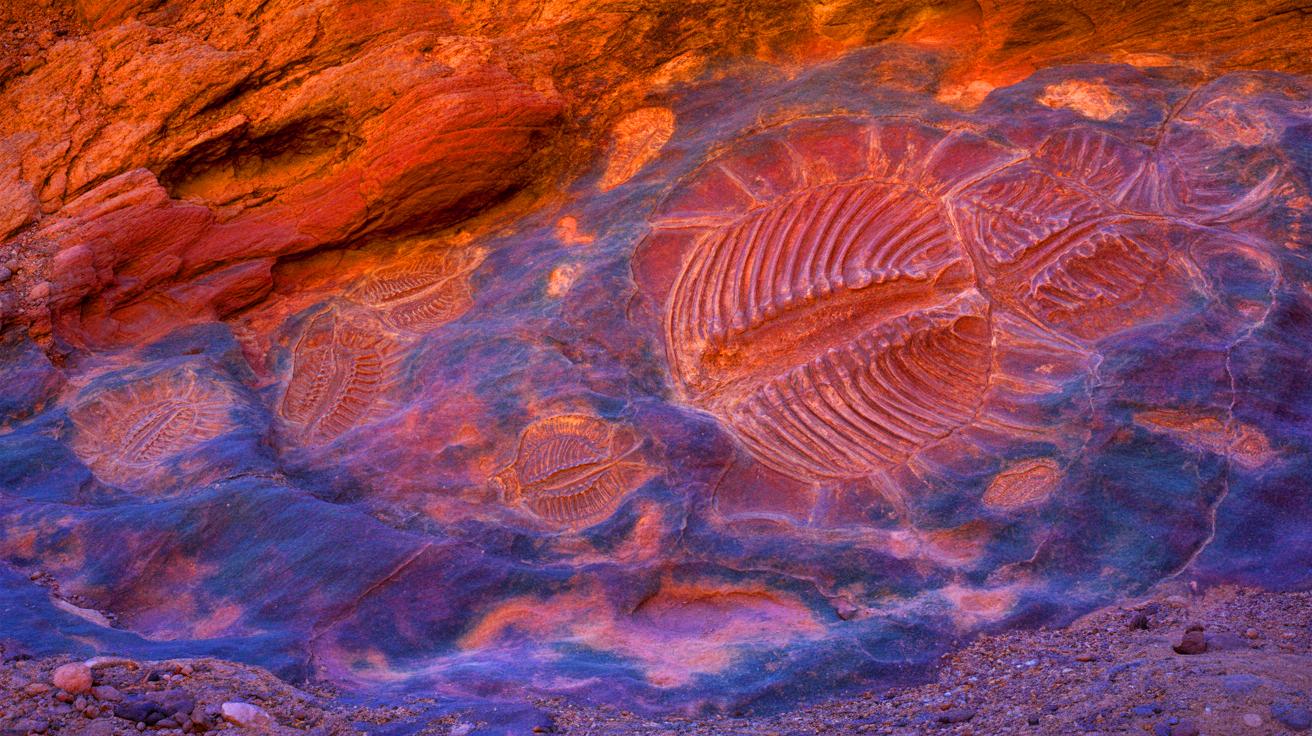
Long before the Grand Canyon became the iconic geological wonder it is today, it was submerged under a shallow tropical sea. This ancient sea was rich in oxygen and warmth, creating an ideal environment for biodiversity to flourish. Unlike the harsh conditions of other Cambrian fossil sites, this sea offered stability and abundant biological productivity. Fossils uncovered in the Bright Angel Shale formation within the canyon reveal a surprising diversity of life. These well-preserved remains showcase animals with advanced biological functions, capable of occupying numerous ecological niches.
Researchers have described this as a striking example of “evolutionary escalation.” When environmental conditions are favorable, biological interactions intensify, leading to varied prey, ingenious hunting strategies, and sophisticated feeding behaviors. The abundance of resources in this stable environment allowed for the development of complex ecosystems, providing insights into how life forms adapted and thrived in ancient times.
Fossils Indicate Advanced Feeding Mechanisms
What sets these fossils apart is not just their appearance, but their functional capabilities. Using high-definition microscopes, paleontologists have identified dentate structures, articulated appendages, and even traces of internal organs. These features allow scientists to reconstruct feeding strategies similar to those of modern marine animals.
Among the notable discoveries is Kraytdraco spectatus, a marine worm with a tubular mouth adorned with hundreds of microscopic teeth. Some of these teeth are comb-shaped, while others resemble branched feathers. Analyses suggest that this priapulid combined internal filtration with seabed scraping for nourishment. Other species, such as certain crustaceans, exhibit legs equipped with bristles for capturing plankton, as well as jaws with tooth-like molars for grinding food. Even mollusks of that era used their radulas, which were abrasive and worn by friction, to scrape biofilms and algae.
Ancient Biodiversity Lays the Foundation for Complex Life
Although these organisms have long since vanished, their influence persists. The adaptations observed are not anomalies; they demonstrate that functional complexity existed among Cambrian invertebrates. This diversity may have set the stage for major evolutionary transitions during the Phanerozoic era.
By inhabiting stable and resource-rich environments, these pioneering life forms likely imposed a demanding selective rhythm, paving the way for increasingly refined evolutionary strategies. While the Grand Canyon is a modern symbol of erosion, it also bears witness to another dynamic: the slow yet profound innovation occurring in the silence of sediments. The canyon’s ancient history showcases the intricate dance of evolution and adaptation that has shaped life on Earth.
The Significance of the Grand Canyon’s Ancient Marine Ecosystem
The discovery of these ancient marine ecosystems within the Grand Canyon extends beyond mere scientific curiosity. It challenges the timeline of evolutionary complexity and invites us to reconsider the conditions under which life evolves. The fossilized remains of these marine organisms provide a crucial piece of the puzzle in understanding Earth’s biological history.
As researchers continue to investigate these fossils, they gain valuable insights into the evolutionary processes that have shaped life. The Grand Canyon serves as a natural archive, preserving the stories of intricate ecosystems that once thrived within its depths. By studying these remnants, scientists hope to unlock further mysteries about the origins and development of complex life on our planet.
As we explore the depths of time preserved within the Grand Canyon, we are reminded of the ever-evolving narrative of life on Earth. What other secrets lie hidden beneath the surface, waiting to reshape our understanding of evolutionary history?