
“These Rats Are Better Than Any Dog or Robot!”: Discover How These Life-Saving Rodents Are Revolutionizing Search and Rescue Operations
 By
Ethan Reid
By
Ethan Reid
| IN A NUTSHELL |
|
At the intersection of science and humanitarian aid, a remarkable alliance is forming between humans and giant rats. These rodents, primarily the African giant pouched rat, are making headlines for their ability to detect buried landmines and diagnose serious diseases like tuberculosis. With their extraordinary sense of smell, light weight, and agility, these rats are proving to be invaluable in areas where traditional methods fall short. Their work is not only saving lives but also restoring land and livelihoods in war-torn and disease-stricken regions around the world.
Safe Mine Neutralization Thanks to Their Featherlight Weight
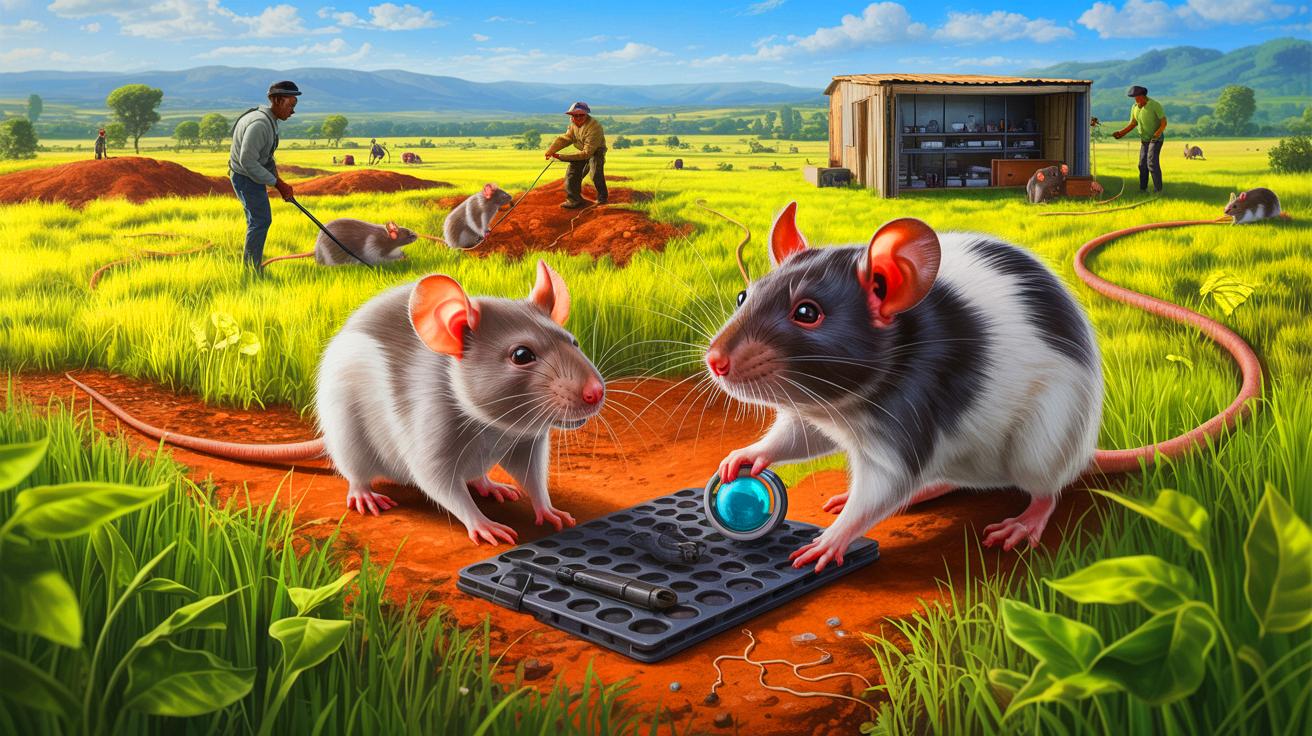
The hero rats of the non-profit organization APOPO are small but mighty. Measuring about 18 inches and weighing less than 3 pounds, these rats can explore minefields without triggering explosives. During training, handlers bury small TNT capsules in a controlled area, and the rats are released to detect them. When a rat identifies the scent of explosives, it gently scratches the soil, setting off a signal.
These rats can sweep over 2,150 square feet in just 30 minutes, compared to the mere 108 square feet covered by human deminers or dogs. Consequently, mine clearance becomes safer, faster, and less expensive. To date, these rats have helped neutralize over 160,000 mines across countries like Angola, Cambodia, and Colombia. This human-animal partnership has led to the recovery of arable lands lost for decades and saved thousands of lives, particularly those of civilians and children.
Rapid Tuberculosis Detection in Mobile Laboratories
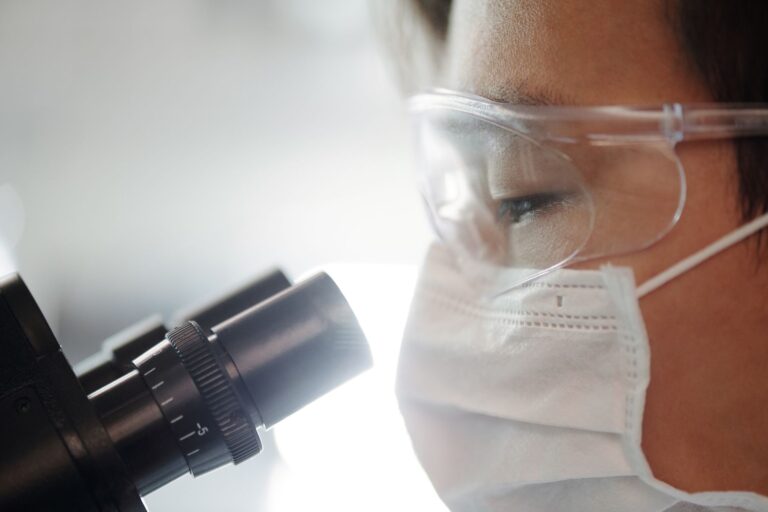
In many parts of Africa and Asia, these same rats are also on the front lines of tuberculosis detection. Laboratory technicians present the rats with sputum samples placed in containers. Each rat takes less than two minutes to identify the presence of the TB-causing bacterium, the bacillus of Koch.
This technique is approximately ten times faster than conventional laboratory testing, allowing for quicker diagnosis and earlier treatment of infected patients. So far, more than 500,000 tuberculosis cases have been identified with the help of these rodents, including 30,000 cases that went undetected by traditional tests. Consequently, tuberculosis control campaigns are becoming more efficient and far-reaching, especially in rural areas where access to healthcare remains limited.
Intelligence, Adaptation, and the Future of Hero Rats
These giant rats possess remarkable social intelligence, learning quickly and enjoying puzzle-solving. Their social nature drives them to seek rewards, making their training both swift and enjoyable. Additionally, their small size allows them to enter tight spaces inaccessible to dogs or robots. Moreover, the cost of raising these rats is modest, with only a few dollars needed for food each month.
APOPO is pioneering new advancements by equipping some rats with mini-backpacks containing micro-cameras and microphones. This innovation will enable them to guide rescuers to survivors in debris or transmit real-time images of the terrain. With these developments, the potential applications for hero rats continue to expand, promising even greater contributions to search and rescue missions.
A Future Where Heroic Rodents Accompany Every Mission
Ultimately, these sentinel rats offer a unique combination of agility, olfactory reliability, and cost-effectiveness. Whether clearing war zones of mines or screening for tuberculosis, their sense of smell often surpasses that of the best-trained dogs and robots. With their adaptability and the support of technological innovation, these giant rats could become indispensable allies in natural disaster response, rescue operations, and health screenings worldwide. As we look to the future, we must ask: Could these tiny heroes redefine our approach to detection and rescue missions?