
“They’re Our Fur Babies Now: Dogs Replace Kids in 60% of Homes”: New Study Reveals How Pets Have Become Central to American Family Life
 By
Leah Morrison
By
Leah Morrison
| IN A NUTSHELL |
|
The bond between humans and dogs is a tale as old as time, forged over tens of thousands of years. As we mark World Dog Day, it is a fitting moment to reflect on this unique relationship. From the early beginnings of shared survival strategies to the affectionate companionship we experience today, dogs have become integral to our lives. This connection is not merely sentimental; it is deeply rooted in both evolutionary history and biological responses that equate our interactions with dogs to those with our children.
From Curious Wolves to Life Companions: The Journey Begins 40,000 Years Ago
The story of human and canine companionship dates back to the Paleolithic era. During this time, certain wolves, drawn by the allure of human settlements and the promise of food scraps, began to interact more closely with humans. Rather than driving them away, humans tolerated these wolves. This marked the beginning of a profound alliance, one that would drastically alter the course of history.
Over successive generations, wolves that were more attuned to human behavior were favored. This led to changes not only in their appearance but also in their temperament. The once-feared predator gradually transformed into a companion, protector, and even confidant. This evolutionary journey culminated in the modern dog, an animal remarkably attuned to our gestures, expressions, and even emotions.
When a dog nestles by your side after a challenging day, it is a testament to an empathy shaped by millennia of evolution. This bond, which began with simple interactions, has grown into an intricate relationship that impacts both species profoundly.
Oxytocin: The Hormone That Binds Us Like Family
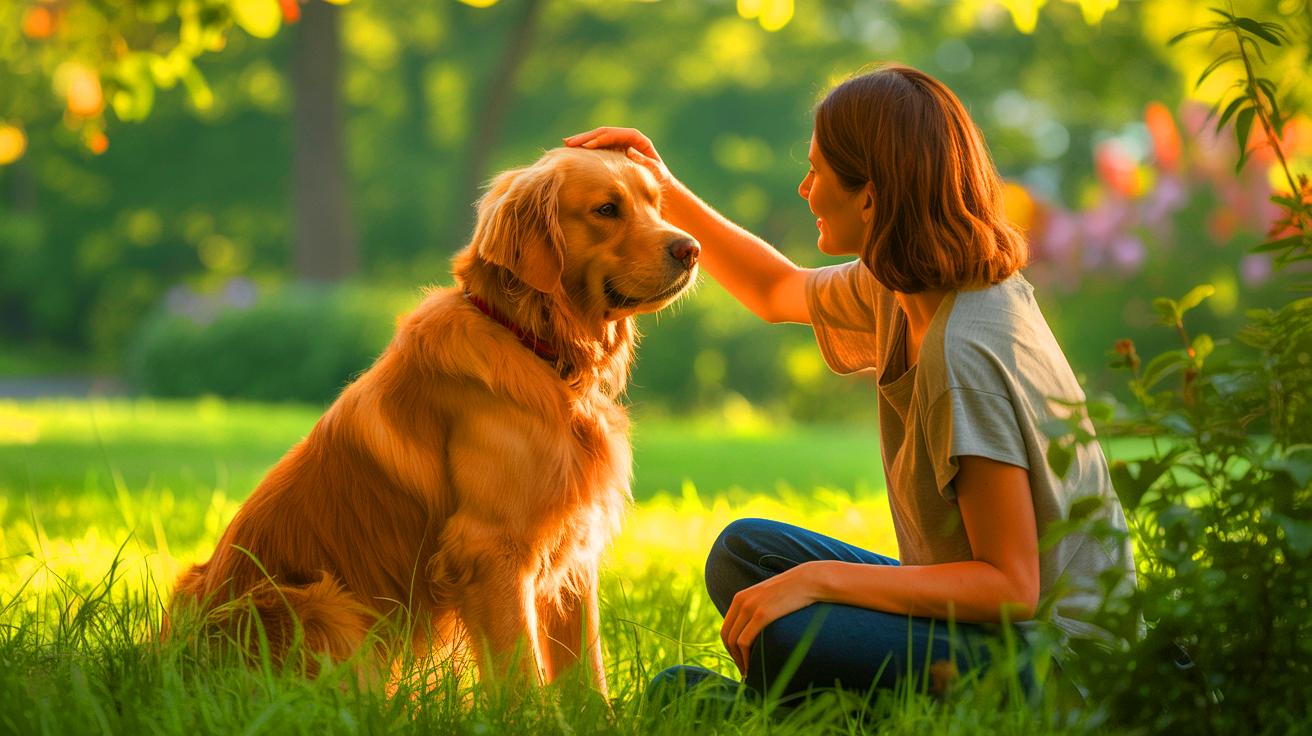
Scientific research has unveiled fascinating insights into the chemistry of the human-dog relationship. When you gaze into your dog’s eyes, your body releases oxytocin, often referred to as the “bonding hormone.” This chemical reaction is identical to the one that strengthens the connection between a mother and her infant.
Intriguingly, dogs also release oxytocin when they look at their human companions, creating a reciprocal emotional bond. This feedback loop of attachment strengthens the connection day by day. Brain imaging studies reveal that the areas of the human brain activated by viewing a dog are remarkably similar to those engaged when viewing a child.
Thus, in the eyes of our brains, a dog is not just an animal; it is a cherished family member. This realization underscores the depth of the emotional ties that bind us to our canine companions and highlights the shared evolutionary journey that has brought us to this point.
An Evolutionary Strategy for Survival: Protecting the Protector
The relationship between humans and dogs is not solely based on affection; it is also the result of a survival strategy that has spanned millennia. Dogs have historically provided vigilance, strength, and hunting assistance. In return, humans have offered shelter, food, and protection.
This mutually beneficial relationship has left a lasting imprint on our behaviors. Today, we ensure their health, share our living spaces, and even provide them with amenities such as strollers or coats. While these actions might seem excessive, they are, in fact, a natural extension of an ancient pact that dates back 40,000 years.
When you bake a birthday cake for your dog or cover them with a blanket on a chilly day, you are not merely indulging in modern whims. You are continuing an ancient alliance, one that is deeply woven into our history and biology. This enduring bond is a testament to the profound impact that dogs have had on human evolution and society.
Ancient 150-Million-Year-Old Fossil Shatters World Record and Sparks Fierce Debate Among Experts
The Modern-Day Implications of an Ancient Bond
Our understanding of the human-dog relationship has evolved significantly, informed by both scientific inquiry and societal shifts. As dogs have transitioned from utilitarian roles to cherished family members, their status in our lives has been elevated. This shift reflects broader changes in how we view non-human companions in our modern world.
From therapy dogs providing emotional support to service dogs aiding those with disabilities, the roles that dogs play in human lives are expanding. This evolution raises important questions about the responsibilities we bear towards these loyal companions. As we continue to explore the depths of this relationship, we must consider the ethical implications of our actions and the rights of animals within our society.
The bond between humans and dogs is a dynamic and evolving story, one that continues to unfold with each passing day. How will this ancient alliance shape our future interactions with the animal world, and what new roles will dogs play in the tapestry of human life?
As we contemplate the rich history and evolving dynamics of the human-dog relationship, we are left to wonder: How will this ancient bond continue to shape and redefine the way we live and interact with the animals who share our world?