

“Unbelievable Discovery”: This Marine Reptile Haunts Your Imagination (and It’s Just Been Found in Germany)
 By
Ethan Reid
By
Ethan Reid
| IN A NUTSHELL |
|
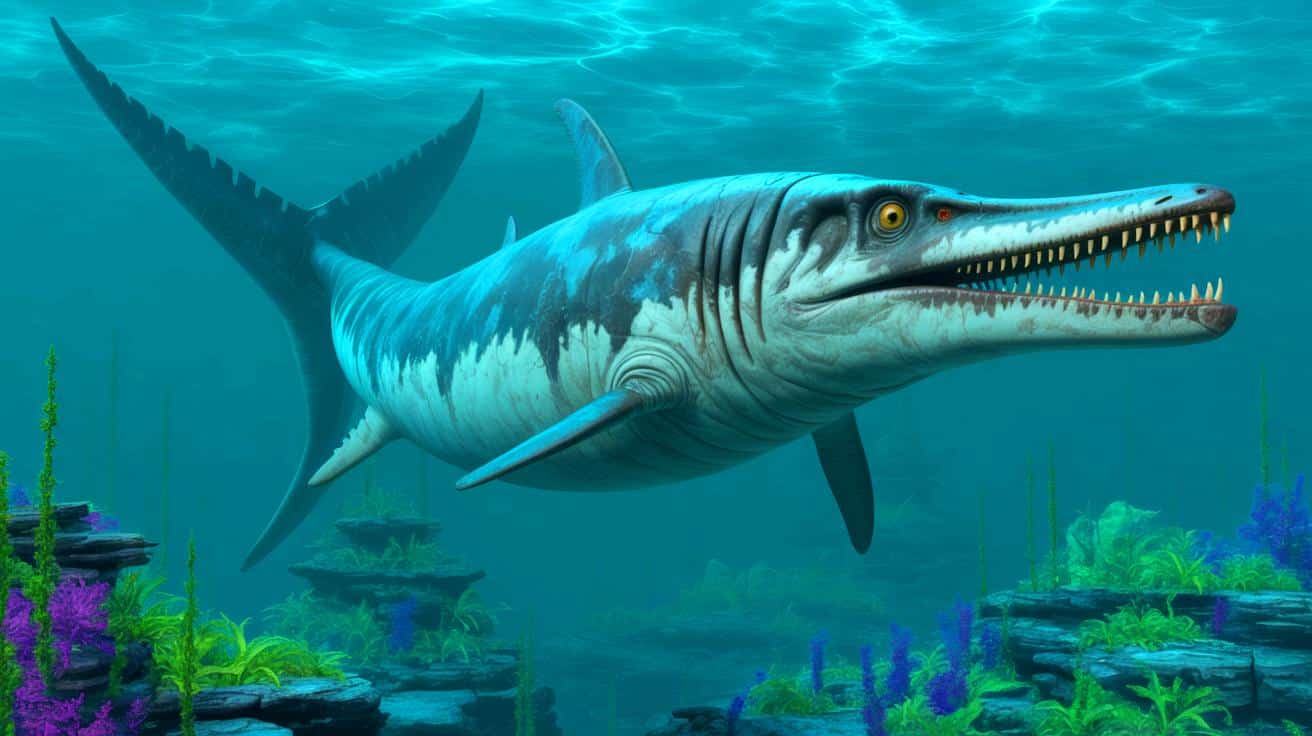
A forgotten fossil, tucked away in the reserves of a German museum, has unveiled a new Jurassic marine species. This remarkable discovery, named Eurhinosaurus mistelgauensis, is described as an extraordinary blend of a dolphin, tuna, and swordfish. This finding highlights the invaluable role of ancient collections in unlocking the secrets of prehistoric life. The fossil presents an intriguing picture of a marine reptile perfectly adapted to ancient seas, offering insights into the biodiversity of our planet’s distant past.
Unearthing a New Species Through Museum Reserves
On September 25, 2025, a study published in the journal Fossil Record announced the discovery of a new marine species, the Eurhinosaurus mistelgauensis. This breakthrough is the result of a collaborative effort between Swiss and German researchers. Their exploration of the collections at the Urwelt-Museum Oberfranken led to the identification of a striking fossil approximately 13 feet in length. The specimen originated from the Mistelgau clay quarry, a site renowned since 1998 for its remarkable marine fossils.
The naming of mistelgauensis pays homage to this exceptional location. Gaël Spicher, a doctoral student and the lead author of the study, emphasizes that this designation aims to highlight the scientific importance of the site. This discovery occurred in a particularly interesting area known as the “belemnite battlefield”, rich in Jurassic cephalopod remains.
An Ichthyosaur With Unique Features Across Modern Species
Ichthyosaurs are marine reptiles that existed alongside dinosaurs, often resembling modern dolphins and tuna. However, Eurhinosaurus mistelgauensis sets itself apart with a remarkably elongated upper jaw, creating an extreme prognathism similar to that of the modern swordfish. This distinctive feature signifies a unique evolutionary adaptation.
The fossil of Thalassodraco etchesi, discovered in 2009 on the English coast, provides a fascinating insight into the diversity of Jurassic ichthyosaurs.
500-Million-Year-Old Fossil Discovery Shatters Everything We Knew About Spider Origins
Additionally, the animal boasts robust ribs and a unique articulation connecting the skull to the neck. These characteristics suggest a specific evolutionary adaptation to its environment. As such, this species enriches our understanding of the anatomical and ecological diversity of Jurassic marine reptiles.
A Discovery That Confirms the Richness of the Mistelgau Site
According to Dr. Serjoscha Evers, director of the museum, this new designation underscores the scientific value of the fossils preserved at Bayreuth. The Mistelgau site continues to provide crucial data on a period that remains under-documented globally. The application of modern analytical techniques allows paleontologists to rediscover forgotten specimens and rewrite the history of life.
Further examinations are planned to analyze potential injuries on the fossilized bones. These studies will yield more information on the ecology, predation behaviors, and life cycle of these ancient ocean masters. The ongoing research promises to deepen our understanding of the complex ecosystems that thrived millions of years ago.
The Role of Museums in Paleontological Discoveries
Museums play a crucial role in preserving the history of life on Earth. They serve as custodians of knowledge, safeguarding invaluable specimens that continue to shape our understanding of the past. The discovery of Eurhinosaurus mistelgauensis exemplifies how collections, often overlooked, can lead to groundbreaking scientific advancements.
As researchers delve into these archives, they unravel stories of evolution and adaptation that resonate with contemporary scientific inquiries. This process not only enriches our understanding of ancient species but also informs the study of current biodiversity. The potential for future discoveries remains vast, emphasizing the need for continued investment in museum collections and paleontological research.
The unveiling of Eurhinosaurus mistelgauensis is a testament to the enduring importance of paleontological research and museum collections. As scientists continue to examine ancient specimens, what other secrets might these fossils reveal about the Earth’s distant past? Could they hold clues to understanding the future of biodiversity on our planet?