


Black Sky Reveals 50 Shooting Stars Per Hour: This August Night Will Make You Question Everything You Thought You Knew About Wishes
 By
Ethan Reid
By
Ethan Reid
| IN A NUTSHELL |
|
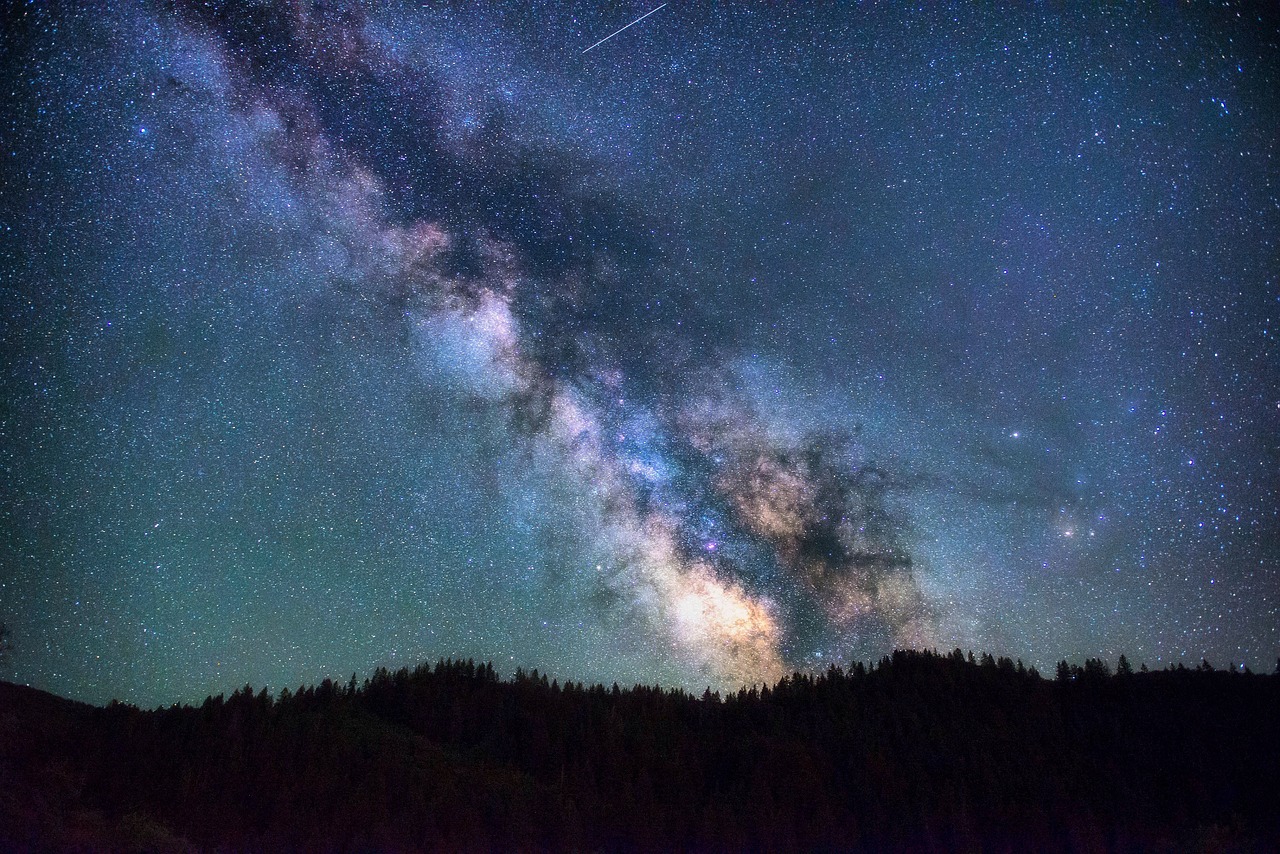
Every summer, something magical happens in the night sky: the Perseid meteor shower. This natural phenomenon captivates people worldwide as they gaze upwards to witness shooting stars dance across the heavens. The Perseids are known for their intensity, peaking with up to 100 meteors per hour between August 12th and 13th. Despite their brilliance, many miss out on this celestial event due to light pollution or misconceptions about the need for telescopic equipment. However, with a few simple steps, anyone can enjoy one of the most spectacular nights of the year.
Finding the Perfect Spot: Escape the Light and Embrace the Horizon
For those eager to witness the Perseid meteor shower, choosing the right location is crucial. Contrary to popular belief, no special equipment is needed to see these celestial wonders. In fact, telescopes might hinder the experience by limiting the field of view. Instead, a wide-open sky without obstructions is ideal. Suitable locations include hills, beaches, or isolated fields, far from the blinding lights of urban areas.
Light pollution is the greatest adversary in stargazing. To find the best dark spots, consider using tools like the Light Pollution Map. This practical resource helps identify areas with minimal artificial light, enhancing the viewing experience. Once at the location, comfort is key. Whether using a blanket, lounge chair, or sleeping bag, staying warm and relaxed is important. Red lights are recommended over white ones as they are gentler on the eyes and preserve night vision.
Timing and Direction: When and Where to Look
Arriving at the right time and knowing where to look can make all the difference. The Perseids appear to originate from the constellation Perseus, located just below the distinctive “W” shape of Cassiopeia. However, these meteors streak across the entire sky, so the best strategy is to gaze straight ahead without focusing on a specific point.
To optimize viewing conditions, plan to arrive after midnight. Before this time, the sky tends to be too bright, even during summer months. As the night progresses, the setting improves, offering the chance to witness multiple shooting stars per minute if luck is on your side. This patience and timing can reward observers with countless memories of a night filled with wonder.
Creating a Memorable Experience for Children
Watching the Perseids can become a cherished summer memory for children, offering a perfect opportunity to spark an interest in astronomy. Preparing for this adventure requires a bit of foresight. Packing snacks, cushions, and perhaps some celestial stories can enhance the experience. For instance, explaining the origin of the term “Tears of Saint Lawrence,” which coincides with the saint’s feast on August 10th, can add a layer of intrigue.
To extend the excitement, consider using apps like Stellarium or Sky Map. These tools are user-friendly, often free, and come with features such as night vision mode. They can help identify constellations, making the night sky more engaging for young astronomers. This combination of preparation and technology can transform a simple outing into an educational adventure.
Looking Up to Dream Bigger
What makes the Perseids so special is their accessibility. Anyone can partake in this celestial show without expertise or expense. The simplicity of just looking up at the right time allows one to escape the fast-paced world and indulge in a rare moment of tranquility. In an era where everything moves quickly, taking time to pause and appreciate such natural beauty is a luxury.
So, grab a blanket, find a spot away from the city lights, and immerse yourself in this fleeting spectacle. Each summer, the night sky offers this gift, waiting to be admired and dreamed upon. As you lie under the vast expanse, do you find yourself pondering the mysteries of the universe and our place within it?