


“This Impossible Sphere Defies Nature!”: Argentina’s Perfectly Round Floating Island Baffles Experts and Stuns the World
 By
Ethan Reid
By
Ethan Reid
| IN A NUTSHELL |
|
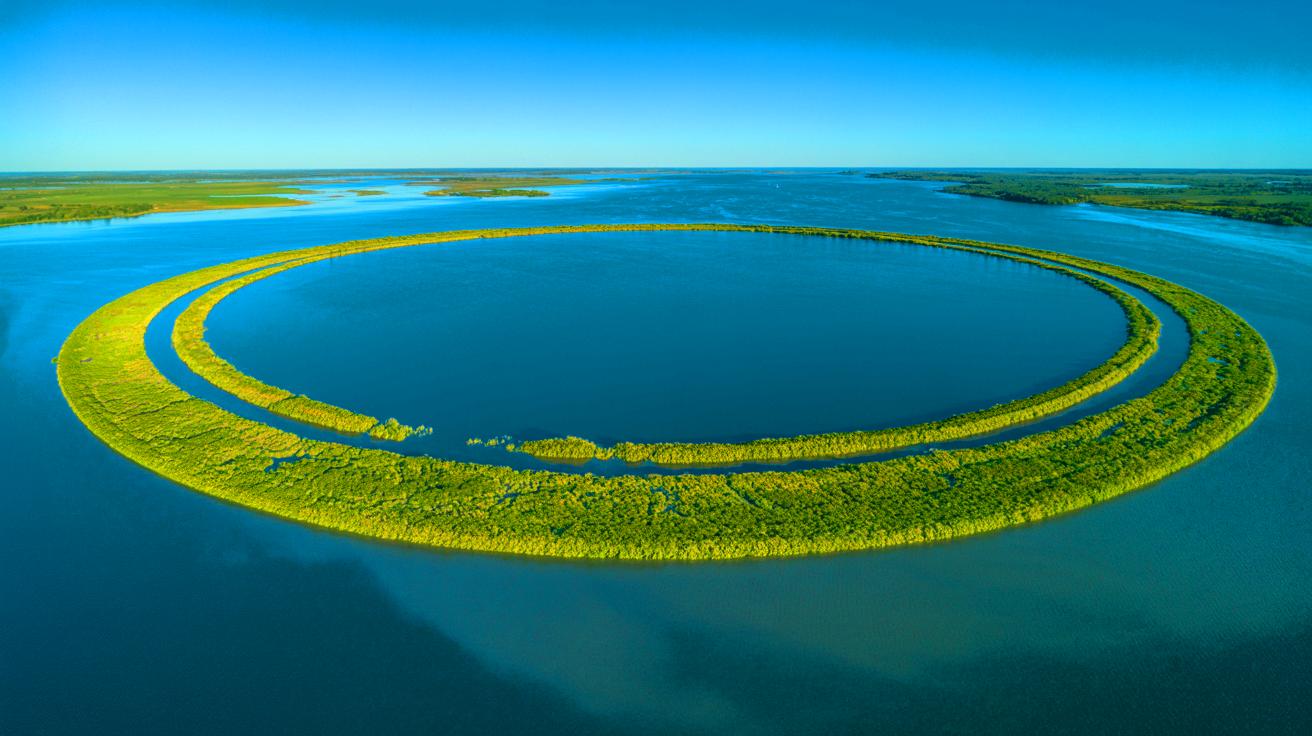
Hidden away in the expansive delta of the Paraná River, northwest of Buenos Aires, lies a remarkable natural wonder. Known as El Ojo, or “The Eye” in Spanish, this floating island presents itself in a perfectly circular form, reminiscent of a giant eye floating atop a small, equally circular lake. Its existence defies conventional understanding and draws curiosity from scientists and tourists alike, eager to witness this peculiar marvel firsthand. The island, with its intriguing formation and dynamic nature, serves as a testament to the fascinating interactions between natural forces and geographical landscapes.
The Mystical Floating Mat of Vegetation
El Ojo is not just an island; it’s a floating tapestry of vegetation, consisting of plants, roots, and organic matter. Nestled within the Paraná River delta’s sprawling wetland, a region celebrated for its diverse ecosystems, this island measures approximately 387 feet in diameter. Its perfect circular shape and that of the surrounding lake are attributed to natural erosion processes. Over time, the island’s continuous rotation and repeated contact with its peripheries have sculpted it into a distinctive ring-like structure.
In 2016, filmmaker Sergio Neuspiller, captivated by the seemingly supernatural form of the island as seen from the sky, embarked on a journey to study it more closely. He described the journey to the location as a grueling four-hour trek under the intense sun. Contrary to satellite images suggesting a dark water body, Neuspiller found the lakebed to be dark, yet the water itself was crystal clear, offering a unique perspective on this natural phenomenon.
The Enigmatic “Matupás”
El Ojo is not an isolated occurrence. These floating islands, known as “matupás,” can also be found amidst the lush landscapes of the Brazilian Amazon. These natural formations hold significant importance for local communities and are steeped in folklore. According to a study published in the journal PLOS One in 2015, these structures are often linked to the mythical “giant anaconda,” believed by some to have played a role in their creation and to reside nearby.
Beyond the scientific intrigue, the matupás embody cultural and ecological narratives, blending myth with the tangible realities of their existence. They are living ecosystems, providing habitats for various species and contributing to the complex web of life within these biodiverse regions. These floating forests are not only a testament to nature’s creativity but also a reminder of the stories and beliefs that intertwine with the natural world.
Exploring the Paraná River Delta
The Paraná River delta, where El Ojo resides, is a sprawling marshland renowned for its rich biodiversity and complex waterways. This dynamic environment supports a wide array of flora and fauna, making it a hotspot for ecological research and a haven for nature enthusiasts. The unique hydrological conditions and nutrient-rich soil offer fertile grounds for diverse plant life, creating a vibrant tapestry of ecosystems.
Visitors to the region are often enchanted by the lush landscapes and the tranquil beauty of the delta’s waterways. Navigating through the intricate network of rivers and streams, one can witness the interplay between land and water, where floating islands like El Ojo are birthed and sustained. The delta serves as a microcosm of natural processes, showcasing the resilience and adaptability of life in the face of ever-changing environmental conditions.
The Intersection of Nature and Culture
El Ojo and its counterparts, the matupás, represent more than just natural formations; they are cultural symbols deeply embedded in the narratives of the regions they inhabit. For the communities living in proximity to these floating wonders, they are not only geographical features but also holders of stories and traditions passed down through generations.
The blending of scientific exploration and cultural heritage offers a holistic understanding of these phenomena, providing insights into both the ecological significance and the cultural resonance of such natural wonders. As researchers continue to study these formations, they uncover layers of meaning and connection that enrich our comprehension of the intricate relationship between people and the natural world.
The floating island of El Ojo remains a source of wonder and a subject of ongoing study, reflecting the ever-intriguing interplay between nature’s creativity and human curiosity. As we continue to explore these natural phenomena, what other hidden wonders lie waiting to be discovered in the uncharted corners of our world?