



“NASA Will Crumble Without This Funding”: Epic Battle Over $25 Billion Budget Threatens Space Exploration This Fall
 By
Ethan Reid
By
Ethan Reid
| IN A NUTSHELL |
|
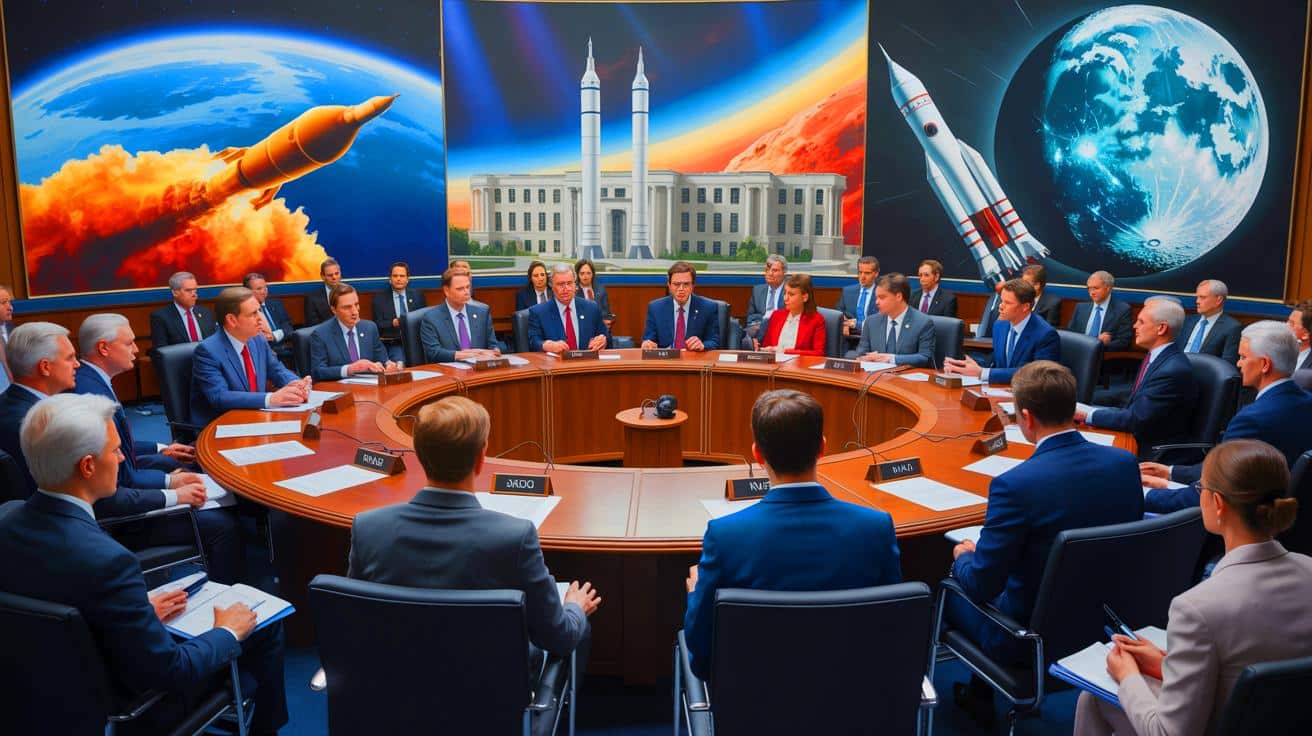
The ongoing debate over NASA’s budget has become a focal point in American politics, with significant implications for the future of space exploration. As the fiscal year approaches its end, Congress and the White House are at odds over the appropriate funding levels for the space agency. The House and Senate have proposed budgets that largely maintain current funding, directly opposing the Trump Administration’s suggested cuts. This disagreement sets the stage for a potential clash that could impact NASA’s operations and its ambitious plans for the future.
Congress Pushes Back Against Proposed Cuts
In a striking move, both the House and Senate committees have approved budget bills for NASA that essentially maintain the agency’s funding at current levels. This decision directly contradicts the Trump Administration’s proposal to slash NASA’s budget by 25% and significantly reduce its scientific programs. The proposed cuts also aim to restructure the Artemis Moon program, potentially eliminating the Lunar Gateway and reducing the use of the Space Launch System rocket and Orion spacecraft.
These legislative actions demonstrate Congress’s strong support for NASA’s ongoing projects and a clear repudiation of the White House’s budgetary priorities. Nevertheless, the budget process is far from complete. The House and Senate must reconcile their versions of the bill before sending it to the President for approval. With the fiscal year ending on October 1, time is of the essence. The outcome of this budgetary showdown will have profound implications for NASA’s future missions and initiatives.
The Implications of Budgetary Uncertainty
As the budgetary process unfolds, the potential for a government shutdown looms large. Historically, Congress has struggled to pass appropriations measures on time, leading to disruptions in government operations. In many cases, lawmakers resort to continuing resolutions to maintain current funding levels temporarily. However, this year, the stakes are higher due to the White House’s plans to implement its budgetary priorities unilaterally.
The Office of Management and Budget (OMB) has signaled its intent to enforce the President’s budget request in the absence of appropriations legislation. This move could lead to significant funding cuts for NASA and other federal agencies, affecting ongoing projects and potentially resulting in program terminations. The White House’s approach has raised concerns among lawmakers and NASA officials, prompting calls for action to ensure the agency’s stability and continued success.
Congress Acknowledges the Threat
In response to the White House’s budgetary maneuvers, key members of Congress have expressed their concerns publicly. A letter addressed to Sean Duffy, the interim administrator of NASA, highlights the potential consequences of the proposed budget cuts. Lawmakers argue that the White House’s actions could lead to mass layoffs, program cancellations, and the closure of critical facilities.
The letter emphasizes that Congress, not the executive branch, is responsible for setting budgetary priorities and that NASA should adhere to congressionally appropriated funding levels. Lawmakers have called on Duffy to publicly commit to following the law and ensuring that NASA’s operations align with congressional directives. This stance underscores the importance of maintaining a stable budget for the space agency and preserving its ability to pursue groundbreaking research and exploration.
The Path Forward for NASA
The ongoing budgetary battle raises important questions about the future of NASA and its ambitious goals. While Congress has shown strong support for maintaining current funding levels, the outcome of this conflict remains uncertain. The White House’s willingness to challenge congressional authority on budget matters adds an additional layer of complexity to the situation.
Key lawmakers, such as Senator Ted Cruz, have emerged as vocal supporters of NASA’s existing plans, advocating for the agency’s continued success and innovation. The resolution of this budgetary dispute will play a crucial role in determining NASA’s ability to pursue its long-term objectives, including potential missions to Mars and beyond. As the fiscal year deadline approaches, the stakes are higher than ever for America’s space agency.
As the budgetary standoff unfolds, the future of NASA hangs in the balance. Will Congress succeed in securing the funding necessary to sustain the agency’s vital programs, or will the White House’s proposed cuts prevail? How will this conflict shape NASA’s trajectory in the years to come?