



“Rivers of Warm Air Are Drowning Us”: Antarctica’s Hidden Threat Alarms Scientists as Unseen Forces Ravage the Frozen Continent
 By
Ethan Reid
By
Ethan Reid
| IN A NUTSHELL |
|
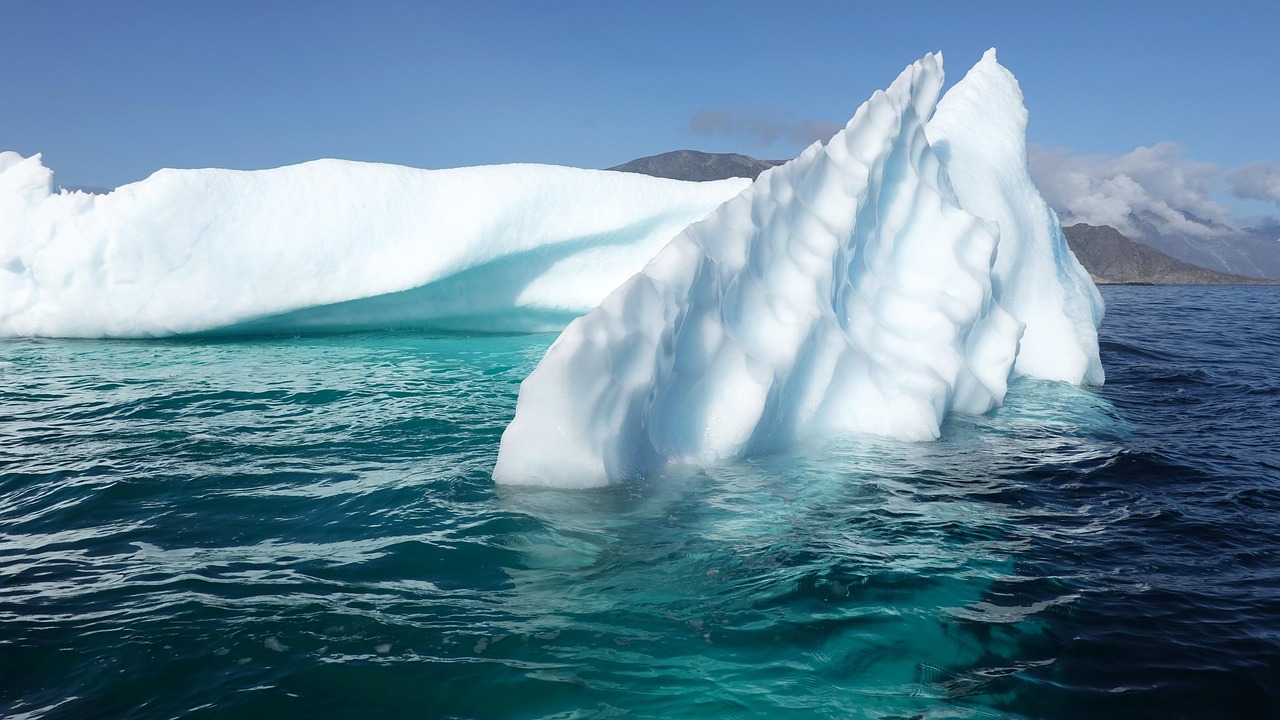
In the vast expanse of the Antarctic, intense blue glaciers carve through the endless white desert, set against a backdrop of snow-capped mountains and clouds skimming the peaks. As global warming accelerates, a previously overlooked phenomenon threatens the stability of Antarctic ice: atmospheric rivers. These invisible yet powerful streams of warm air and water vapor may double in frequency by 2100, significantly hastening the melting of the ice sheet.
When Rivers of Warm Air Turn the Ice Sheet into a Battlefield
Atmospheric rivers first form a ribbon of clouds stretching thousands of miles, transporting immense amounts of moisture from the tropics to the poles. They act as an airborne conveyor belt laden with water. Upon reaching Antarctica, these rivers release their load as either rain or snow, depending on local temperatures. In a warmer climate, rain prevails, causing the liquid water to saturate and soften the frozen surface.
Moreover, the warm air creates a thermal shock with the cold ice, accelerating surface melting. Consequently, snow melts faster and loses its ability to shield the ice sheet. Liquid water then seeps beneath the upper snow layer, attacking the ice from below, and forming fractures that weaken the structure. Eventually, these fractures expand, mobilizing ice chunks spanning several square miles. As they detach and sink, they release substantial volumes of freshwater into the ocean.
Why a Warmer Climate Fuels These Deadly Air Currents
The air’s ability to hold water vapor increases by 7% for every degree of warming. Thus, a warmer ocean releases more moisture, feeding atmospheric rivers. A high-resolution climate model indicates that the number of major river events over the West Antarctic Peninsula could double from two to four per decade.
Furthermore, simulations predict a 30% rise in the heat flux carried by these rivers, making each episode more intense and prolonged. Consequently, extreme melting periods, already observed during the austral summer, will become more frequent, subjecting the ice sheet to increased thermal stress. Additionally, researchers note that weather variability is enhanced, creating a more volatile climate with abrupt fluctuations in temperature and humidity.
How These Atmospheric Assaults Threaten Rising Sea Levels
On one hand, the snow effect from solid precipitation can add ice mass. However, snow is less dense than ice, providing only limited delay to melting. On the other hand, the melting effect from warm rain causes accelerated erosion. Each mild airstorm creates channels and weakens floating ice shelves.
The collapse of these shelves exposes the terrestrial glacier to the sea, facilitating a rapid influx of ice into the ocean. Consequently, the sea level rise accelerates. The new study estimates that integrating these rivers could increase sea level rise predictions by 4 to 8 inches by 2100. For more than 200 million people living in low-lying areas, this is significant, as current coastal infrastructure and alert systems are based on less severe scenarios.
The Importance of Acknowledging These Rivers of Scorching Air in Our Forecasts
Ultimately, atmospheric rivers emerge as a previously underestimated variable. Ignoring these extreme flows jeopardizes the reliability of Antarctic melt projections. Scientists must develop multi-physics simulations that integrate atmosphere, ocean, and ice dynamics. Decision-makers need to incorporate these findings into prevention and adaptation strategies.
The Antarctic remains the barometer of our climate. Recognizing and modeling these invisible rivers is now crucial to maintaining planetary balance and protecting coastal populations. How will we adapt our strategies to meet these emerging challenges?