



“Nations Fear Dangerous Consequences”: The Launches of Rockets and Satellites Threaten Climate Stability from the Stratosphere
 By
Leah Morrison
By
Leah Morrison
| IN A NUTSHELL |
|
The rapid expansion of the space industry has brought with it a new environmental challenge: pollution of the upper atmosphere. As satellite launches become more frequent, the resulting emissions pose a threat not only to the climate but also to the ozone layer. This growing concern highlights the need for global attention and action to mitigate the impact of space activities on our planet’s delicate atmospheric balance.
The Stratosphere’s New Burden: A Surge in Satellite Launches
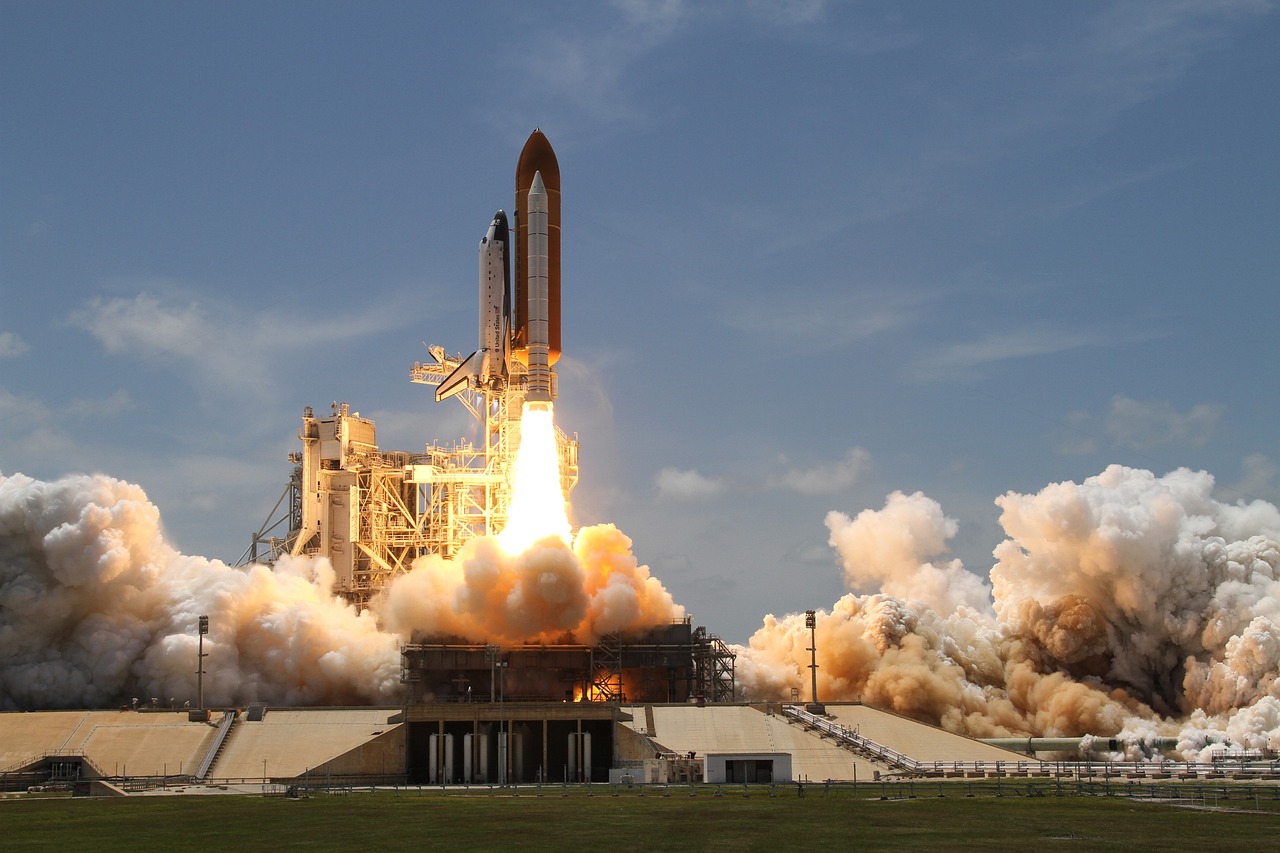
In 2024, a record-breaking 259 orbital launches were conducted worldwide, driven by ambitious projects such as Starlink, OneWeb, and Thousand Sails. These initiatives aim to deploy tens of thousands of satellites to enhance global connectivity and communication. However, this surge in activity comes at a steep environmental cost. The fuel consumption for these launches reached an astonishing 153,000 tons, highlighting the immense scale of operations.
The pollution generated by these launches does not remain confined to the Earth’s surface. Instead, it targets the stratosphere, where its effects are amplified. Additionally, as satellites reach the end of their operational lives, they disintegrate upon reentry, releasing metallic particles into the atmosphere. In 2024 alone, 2,539 objects burned up during reentry, contributing 13,500 tons of material to atmospheric pollution. According to research by University College London, the climate impact of these particles is up to 500 times greater than emissions at lower altitudes, underscoring the significant environmental challenge posed by space activities.
A Toxic Cocktail: The Threat to the Ozone Layer
Unlike terrestrial industries, rocket launches introduce pollutants directly into sensitive atmospheric regions, such as the stratosphere and mesosphere. Emissions at these altitudes are particularly concerning due to their long lifespan. Key pollutants include black carbon (soot), alumina (Al₂O₃), chlorinated compounds, nitrogen oxides (NOx), carbon dioxide (CO₂), and water vapor. These substances interact with atmospheric chemistry, weakening the ozone layer’s protective effect and exacerbating global warming.
The latest models, validated by NASA and University College London, indicate that space-related emissions possess a disproportionate radiative forcing power. With the continued growth of satellite deployments, space could become a major new source of climate disruption. Without stringent regulation and oversight, the environmental impact of space activities will likely escalate, necessitating urgent international cooperation and policy development.
Monitoring from Above: NASA’s TEMPO Mission
In response to the emerging environmental threat posed by space pollution, the scientific community is mobilizing. In 2023, NASA launched the TEMPO mission, a geostationary instrument designed to continuously monitor atmospheric pollutants. This mission enables real-time tracking of ozone, nitrogen dioxide (NO₂), and formaldehyde concentrations over North America, providing critical data for environmental management.
TEMPO has already demonstrated its value by validating alert models within three hours, and it aids in detecting subtle signals from satellite reentries. Over 800 institutions rely on TEMPO’s data to refine their forecasts and issue timely pollution alerts to protect public health. Future research will focus on understanding aerosols from satellite disintegration, a crucial step in assessing the full extent of space-related pollution. As space inspires, it also demands responsible stewardship to safeguard our atmosphere from above and below.
Global Cooperation and Policy Development
Addressing the environmental challenges posed by the burgeoning space industry requires concerted global efforts. International collaboration and the establishment of regulatory frameworks are essential to mitigate the impact of space activities on the climate and ozone layer. Policies that promote sustainable practices and technological innovations will play a vital role in reducing emissions and minimizing pollution.
Engaging industry stakeholders, governments, and environmental organizations in dialogue is crucial to developing effective strategies. By leveraging advancements in monitoring technologies and data analytics, we can better understand the complex interactions between space activities and atmospheric health. The path forward involves balancing the benefits of space exploration with the imperative of protecting our planet’s atmosphere for future generations.
As we continue to push the boundaries of space exploration, the environmental implications of these activities must remain a central consideration. How can we ensure that the benefits of satellite technology do not come at the expense of our planet’s atmospheric health?