



“These Relics Will Change Everything”: 2,900 Astonishing Medieval Leather Goods Uncovered in Norway Reveal Hidden Secrets of 14th-Century Life
 By
Leah Morrison
By
Leah Morrison
| IN A NUTSHELL |
|
The excavation beneath Bjørvika School has unveiled a treasure trove of medieval artifacts that provide a fascinating glimpse into life in Norway during the 13th and 14th centuries. Archaeologists from the Norwegian Maritime Museum have discovered an astonishing 2,900 pieces of leather goods, including shoes, bags, and other personal items, that are remarkably well-preserved. This find offers a unique look into the cultural and social dynamics of medieval Norway, as these items likely belonged to a diverse range of individuals. As we delve deeper into this discovery, we uncover the rich tapestry of life that these artifacts represent.
The Unexpected Discovery in Oslo
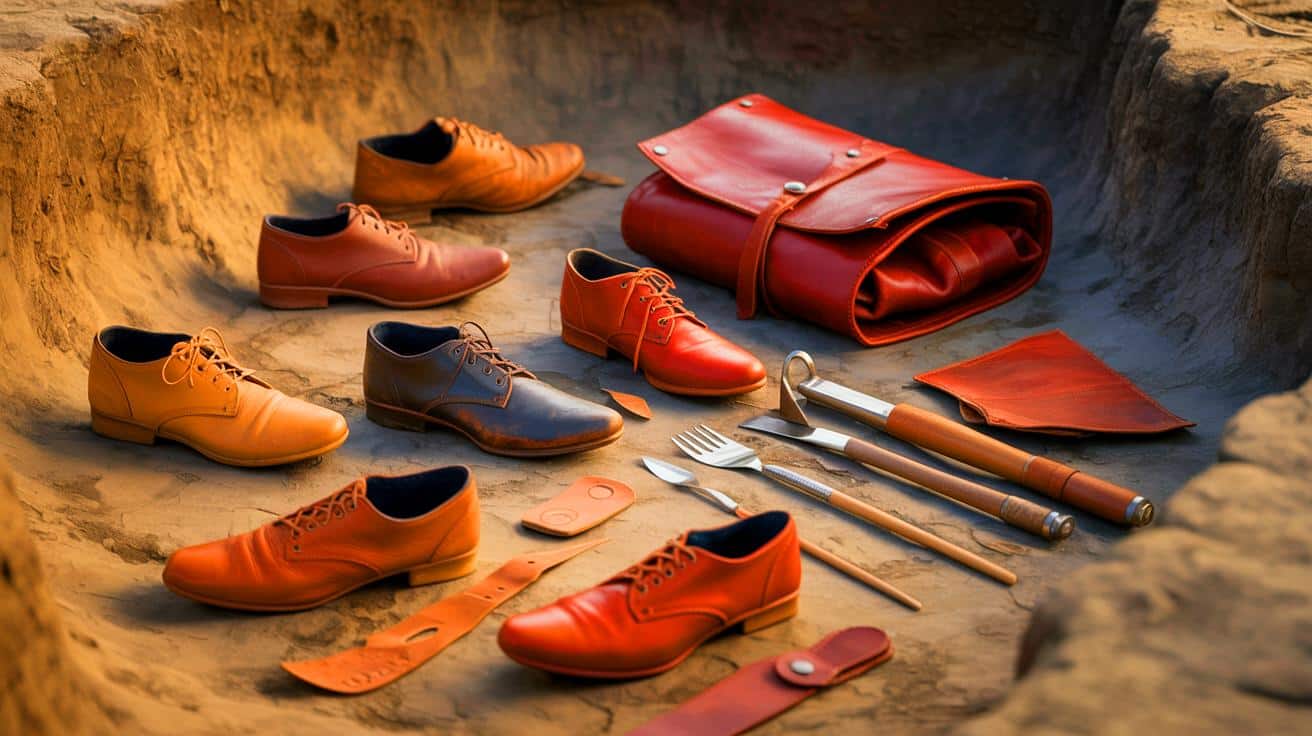
In Oslo’s historic Bjørvika neighborhood, archaeologists from the Norwegian Maritime Museum made a stunning discovery while excavating the site of a future school. Thousands of well-preserved leather goods were unearthed, offering a rare snapshot of medieval Norwegian life. Among the finds were numerous leather shoes, which archaeologists likened to striking gold, only in this case, it was leather. These artifacts provide a “Middle Age-footprint” that spans various social classes, showcasing a stunning degree of variety in footwear. From tall boots and low-cut shoes to children’s footwear, the patterns and evidence of repair tell a vivid story of the past.
Besides these essential items, archaeologists also found unique purses, bags, and sheaths for swords and knives. While it remains a mystery how this collection of leather goods was disposed of, it offers an invaluable glimpse into life during a time of growth and trade connections in Norway.
That’s a Lot of Leather
The Norwegian Maritime Museum noted in a press release that carrying a bag, sack, or wallet was as common in the Middle Ages as it is today. The excavation in Oslo’s historic district revealed thousands of pieces of waterlogged leather, just as a new school was to be built over the site. The artifacts were buried in thick, oxygen-deprived clay, which preserved them exceptionally well, according to Head Archaeologist Marja-Liisa Petrelius Grue.
Thus far, 2,500 objects have been registered, most of which are leather goods like bags, purses, and shoes. The bags, made from tanned leather, some from goat or calfskin, were cut and sewn by hand and might have been adorned with badges. They exhibited a range of styles, from simple designs to more elaborate models featuring embossed patterns or embroidery. Much like today, these bags indicated one’s status and wealth, demonstrating a remarkable degree of variety.
Most of Which Were Shoes
Among the discoveries are 227 leather shoes, with expectations of cataloging over 1,000 in total. These shoes show an impressive range in design and wear, providing a “footprint” from the Middle Ages. “We see the entire life cycle of the shoe,” Grue told Science Norway, noting that many had developed holes and were repaired in various ways.
The shoes are tangible traces of people who lived, walked, and thrived in the city. Particularly valuable are the forty children’s shoes, which are a rare find in archaeology. These shoes reveal that medieval parents invested extra time and resources to ensure their children had quality footwear. “They’re very cute,” Grue remarked, highlighting that some shoes were used by multiple children and were repeatedly repaired and redecorated.
Insights Into Medieval Life
Although only pieces of leather remain today, these fragments offer rich insights into medieval life and values. They reveal how people organized their everyday activities and hint at the cultural significance of personal items. The preservation of these leather goods underlines the importance of such artifacts in understanding historical societies.
As we examine these discoveries, we gain a deeper appreciation for the complexities of life in medieval Norway. The diversity and craftsmanship of these items speak to a vibrant and interconnected community, reflecting both the daily necessities and the social hierarchies of the time.
This remarkable find beneath Bjørvika School has opened a window into a world long past, offering invaluable insights into medieval Norwegian culture. As researchers continue to study these artifacts, what other stories might they uncover about our shared human history?