



“This Weather Shift Terrifies Scientists”: Antarctic Changes Could Have Unseen Effects (And It’s Closer Than You Think)
 By
Ethan Reid
By
Ethan Reid
| IN A NUTSHELL |
|
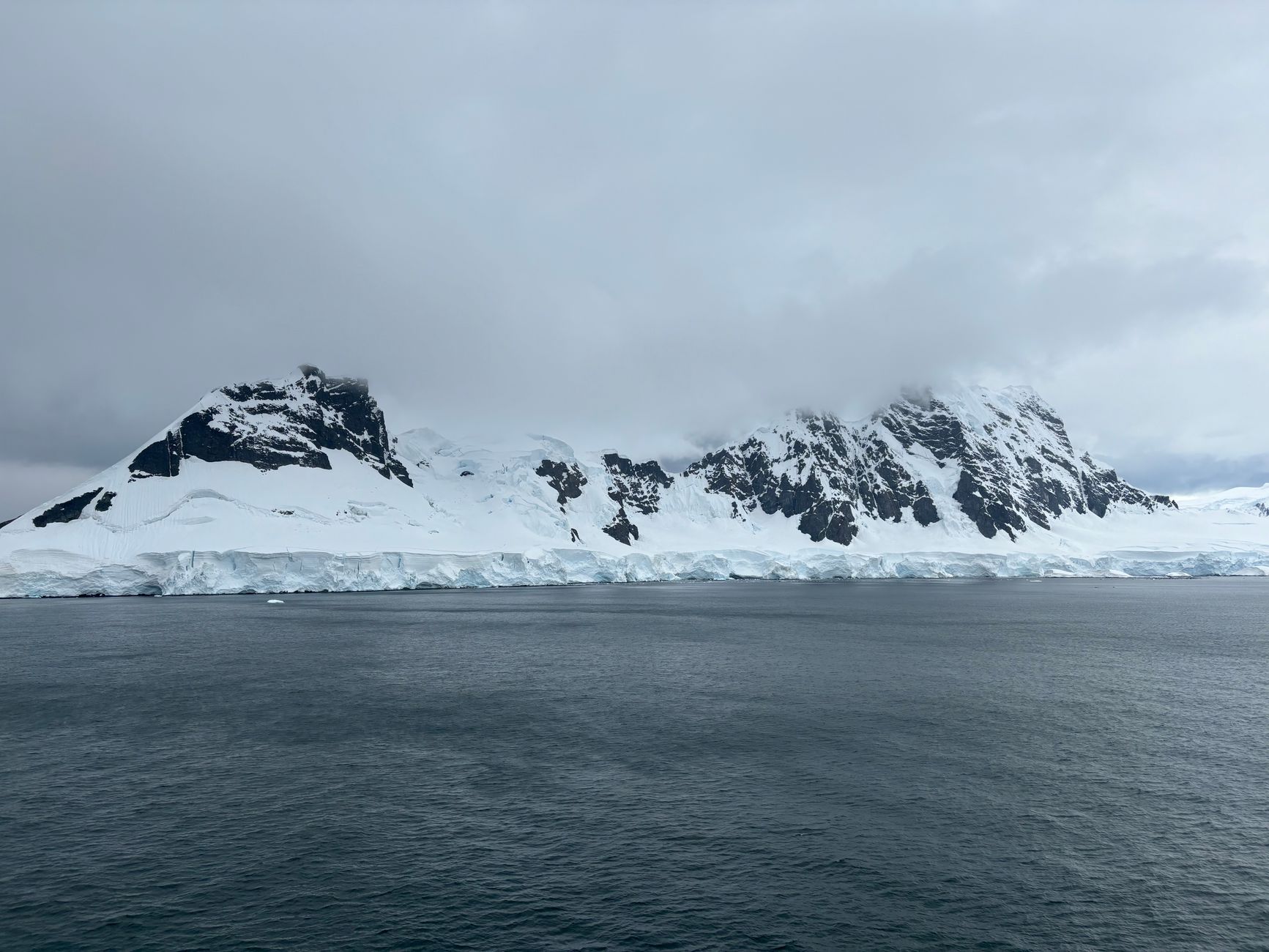
The Antarctic polar vortex, a massive atmospheric whirlwind that usually remains stable, is showing signs of unprecedented destabilization. This shift is not just another blip on the meteorological radar but a potential harbinger of significant global climatic impacts. Scientists are now closely monitoring these changes, which could disrupt weather patterns across continents, affecting everything from agriculture to daily weather forecasts. Understanding the causes, consequences, and preparations for these changes is crucial for the global community.
The Antarctic Polar Vortex: A Giant at Risk
The Antarctic polar vortex is a colossal atmospheric phenomenon that circles the South Pole, acting as a climate fortress by trapping cold air over the region. Unlike its northern counterpart, which interacts with mountainous terrain, the Antarctic vortex is largely influenced by the uniform oceanic environment surrounding it. This unique setting has traditionally kept the vortex stable.
However, recent data from NASA and Severe Weather Europe indicate a troubling shift. The vortex is showing signs of weakening winds, rising stratospheric temperatures, and increasing atmospheric pressure, all indicative of a sudden stratospheric warming event. This destabilization is occurring earlier in the season than expected, causing concern among scientists who rely on the vortex’s stability for predictable weather models.
The premature occurrence of these changes is unsettling, suggesting that the vortex is experiencing a significant imbalance. This disruption could lead to far-reaching consequences, affecting not just the Antarctic region but potentially contributing to global climate anomalies.
Global Ripples: How Antarctic Changes Affect Us All
Though the Antarctic might seem distant, its climatic events have direct implications for the rest of the world. The global climate system operates much like a network, where disturbances in one area can trigger cascading effects elsewhere. A striking example occurred in 2019 when an exceptional stratospheric warming event disrupted weather patterns in Europe and North America, leading to unexpected electronic anomalies.
Currently, scientists predict that Australia will be the first to feel the impact of the current Antarctic changes. The region could experience intensified cold fronts, early heatwaves, and erratic rainfall patterns. Such shifts could wreak havoc on agriculture, public health, and local ecosystems, underscoring the complex and sometimes violent responses of the climate system to even minor disturbances.
Understanding these connections highlights the importance of monitoring Antarctic developments. As climate dynamics evolve, staying informed is crucial for mitigating potential disruptions to our daily lives and economies.
A Prelude to More Extreme Changes?
While there is no immediate cause for widespread alarm, these early signs may indicate a deeper climatic shift. If the weakening of the polar vortex becomes a recurring event, it could result in a prolonged disruption of southern climate patterns, with significant impacts on global wind currents, jet streams, and seasonal weather.
Such a scenario would complicate weather forecasting, leading to more sudden and intense weather events. The discussion has moved beyond scientific circles, emphasizing our collective ability to adapt to a rapidly changing climate. The stakes are high, as our ability to predict and respond to these changes will shape the future resilience of our societies.
Addressing these challenges requires more than just scientific inquiry. It demands a concerted effort to enhance climate preparedness and foster public awareness of the evolving climate landscape.
Enhancing Climate Monitoring and Public Awareness
Fortunately, we possess the tools to monitor atmospheric changes in real-time, thanks to advanced satellite technology, precise weather models, and international cooperation. These resources provide an invaluable opportunity to detect subtle signals before they escalate into major crises.
Nevertheless, there is a pressing need to bolster long-term forecasting capabilities, integrate these phenomena into climate adaptation plans, and raise public awareness. The message from Antarctica is clear: the climate is changing, and it will not wait for us to catch up.
Proactive measures, informed by rigorous scientific research and effective communication strategies, will be essential in navigating the challenges posed by these atmospheric shifts. By strengthening our climate resilience, we can better anticipate and mitigate the impacts of future disruptions.
As we grapple with the complexities of climate change, the evolving situation in Antarctica serves as a stark reminder of our interconnectedness with the planet’s climate system. How can we, as a global community, enhance our preparedness for such profound changes while ensuring sustainable development for future generations?